When events of this kind occur, people ask themselves: why does this happen to such young people? You certainly won’t find the answer in these lines, as we are not specialists; what you will find, however, is a personal perspective, which we are trying to convey based on our own experience.
Cardiovascular injuries in football
Nacho Barberà, the player who died doing what he loved most, at the club where he had played since he was a little boy – UD Alzira. There have been many cases of ‘sudden death’ in the world of football in recent years; unfortunately, these serve to prompt those involved in the world of sport to reflect on the seriousness of the issue, so much so that in 2016, a royal decree was issued setting out the minimum safety and quality conditions and requirements for the use of automatic and semi-automatic external defibrillators outside a hospital setting. Of course, an increasing number of teams with relatively limited financial resources are making the effort and investing in a defibrillator, aware of the importance of having one.
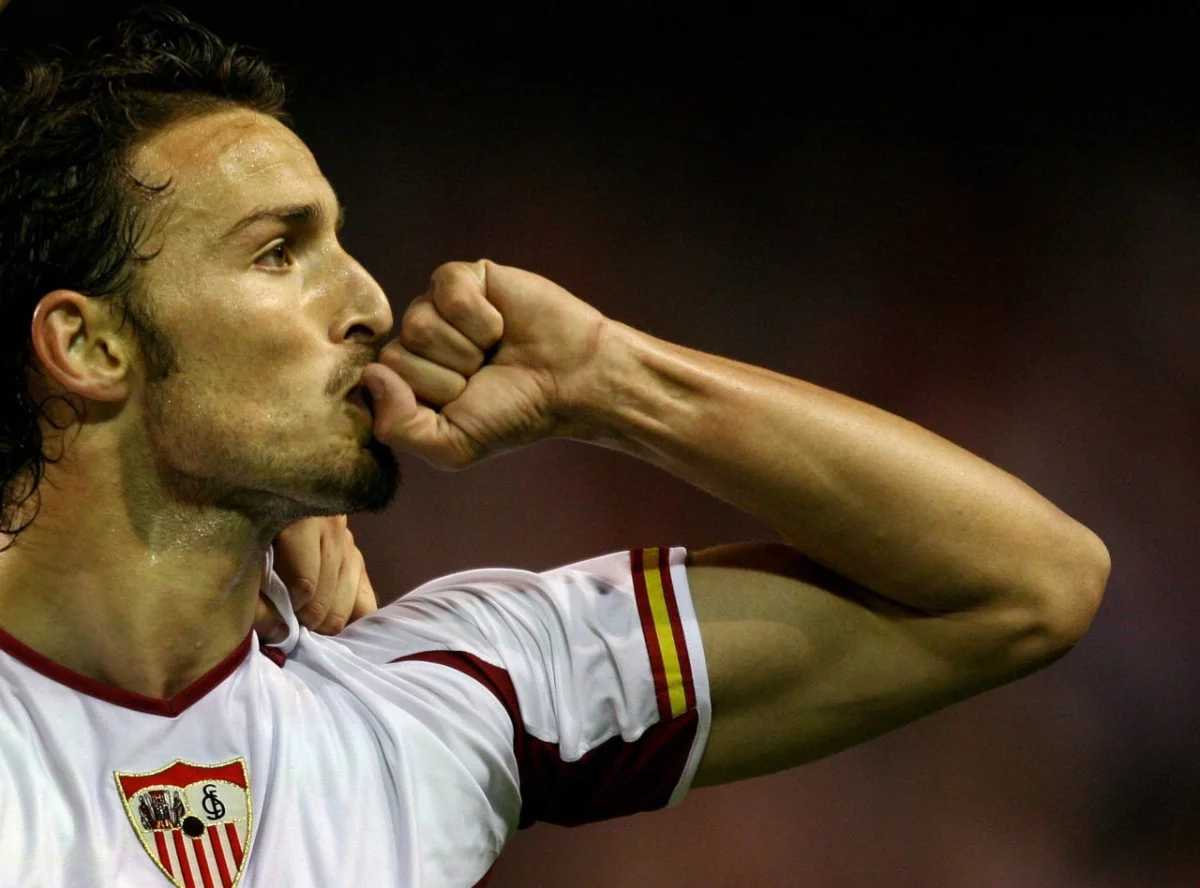
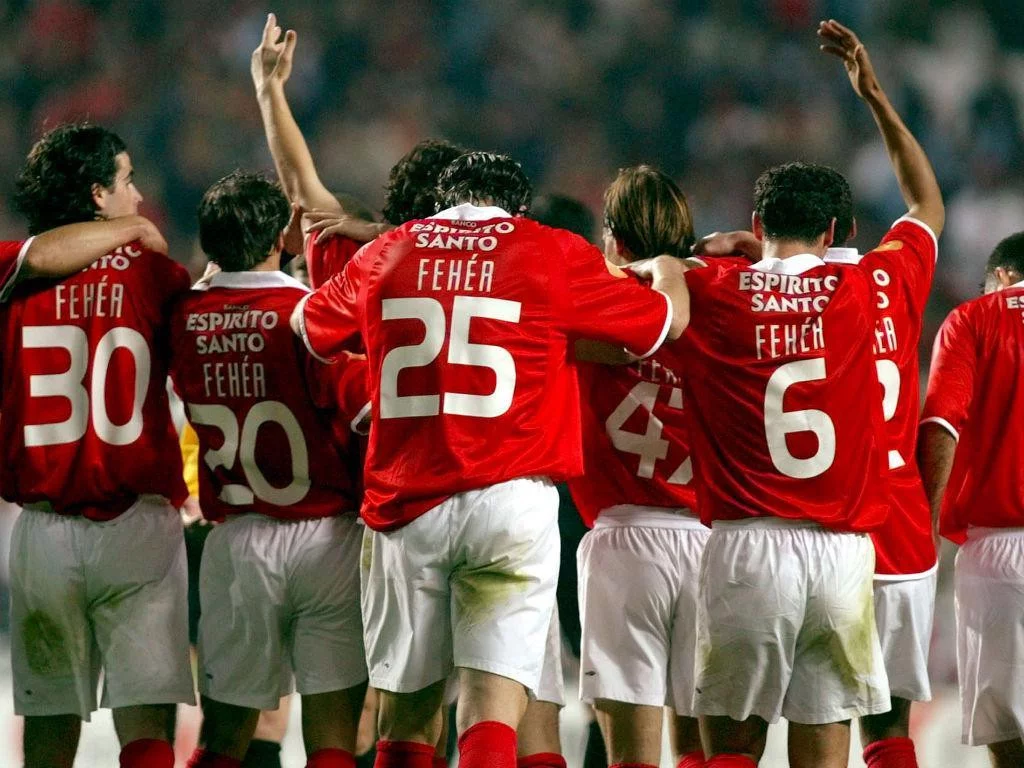
The most famous cases of sudden death in the world of football in Spain include that of Antonio Puerta, but in international football we also recall the images of Benfica’s Feher, the Cameroonian player Foé, and, most recently, Davide Astore. There are many cases of this ‘scourge’ in the world of football, both professional and amateur. In 98 per cent of such cases, the cause is heart disease; in fact, in these cases, visible symptoms appear in a worrying 20 per cent of instances, whilst 80 per cent end in the worst possible way.
The way to prevent this sort of situation is, logically, to undergo a strict regime of annual medical check-ups, as there are multiple causes at play in this type of condition.
- Symptoms: Severe and constant palpitations, and even loss of consciousness.
- Causes: Excessive consumption of energy drinks, combined with extremely demanding training or competition, and the obvious added factor of genetic or congenital conditions.
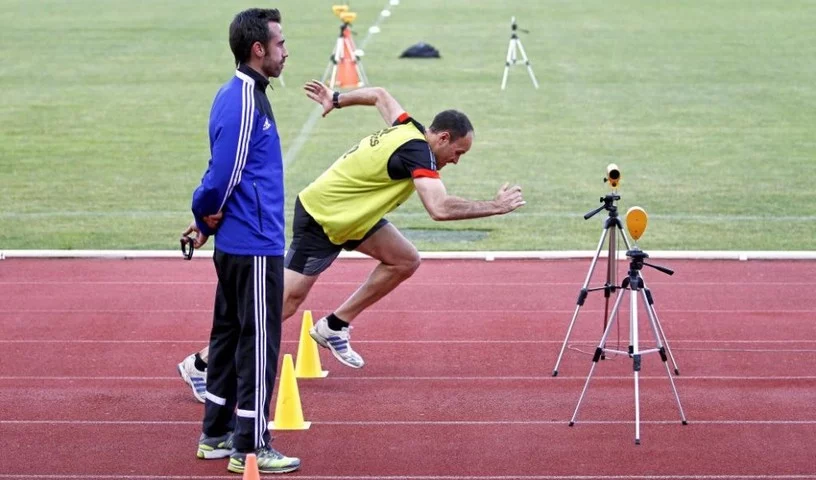
The advice you’ll find online is that, should any of these symptoms appear, you should see a specialist as soon as possible, temporarily putting aside whatever sport or competitive activity you’re currently involved in. We can ask our doctor to carry out these kinds of tests, even if we haven’t had any symptoms prior to the appointment. In this way, we’ll be monitored via a stress test and a 24-hour Holter monitor, which will measure our heart rate and rhythm over a whole day. In the unlikely event that something is detected, in addition to the care and advice that healthcare professionals can offer you, your immediate family members will also be monitored, as this condition is, in a very high proportion of cases, linked to genetic factors.
We are not aware of the significant risks involved in modern football, and although no level of the game is immune to this problem, the focus is particularly on certain divisions, where the demands are constantly increasing. Although we do not have the power to change certain risk factors such as those mentioned above – family history, gender or age – there are some key steps you can take to prevent heart disease and reduce your risk; clearly, maintaining healthy habits will help us be better prepared. Following a healthy diet can help reduce the risk of heart disease and stroke.
- Control your portion sizes
- Eat more fruit and vegetables
- Choose whole grains
- Limit your intake of saturated fats (eat Realfood)
- Choose low-fat sources of protein
- Reduce the sodium in your meals
- Plan ahead: create daily meal plans
- Limit your alcohol intake
- Do not smoke
LET’S BE AWARE. The first step is to take responsibility for your health, which takes precedence over sport and passion.