The current format of the UEFA Champions League is the successor to the former European Cup, a competition that ran from 1955 to 1991. It was in 1992 that the first edition began under the name Champions League. Today, it is one of the most prestigious club competitions in the world, if not the most important of all. It features the best clubs in European football, qualified on the basis of their position in their respective national leagues during the previous season. When determining places and direct entry into the competition, the UEFA national association rankings must always be taken into account. In terms of media coverage, this is an event whose final – the Champions League Final – has become one of the most-watched annual sporting events on the planet.
The beginning - European Cup
With the birth of what we know as modern football in 1863, there was also a desire to internationalise the sport and determine which clubs could be considered part of the elite. And what was the best way to achieve this? To create an international competition in which the best teams could compete against one another and crown a champion.
Whether for reasons of national prestige or international recognition, the fact is that the idea soon gained momentum and various tournaments began to spring up across the continent, such as the Mitropa Cup, the Copa Latina and the Coupe des Nations. However, the logistical difficulties involved in organising international travel in the early 20th century meant that these competitions were largely limited to clubs from geographically neighbouring countries. A good example is the Copa Latina, in which clubs from Portugal, Spain, Italy and France took part.
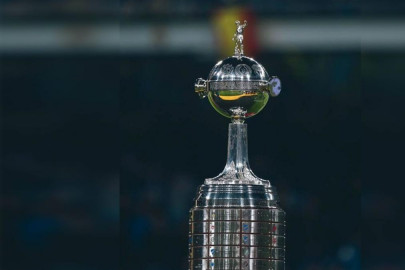
However, thanks to the perseverance of two French journalists, Jacques Ferran and Gabriel Hanot, the idea of creating the European Champions’ Cup eventually took shape. To this end, they drew inspiration from the South American Champions’ Cup, a competition that both French journalists had followed and covered in their respective roles.
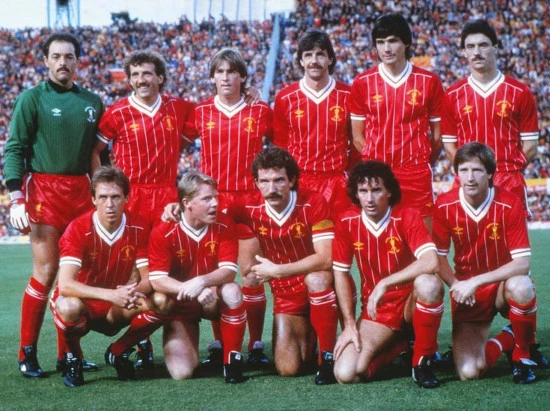
Interesting facts about the European Cup
- Many believe that this competition received significant support in Europe because of a desire to ensure that the continent did not lag behind South America when it came to organising a tournament of such magnitude.
- The competition’s first official match was played on the 4th of September 1955 at the Jamor National Stadium, between Sporting CP and Partizan Belgrade. It is worth noting that all the clubs taking part in that first edition were invited, as, for example, Sporting had finished the previous league season in third place and was therefore not entitled to take part in the tournament. The same applied to Partizan. The match ended in a 3–3 draw, although the strong wind blowing that afternoon at Jamor had a major influence on the course of the match and the final result
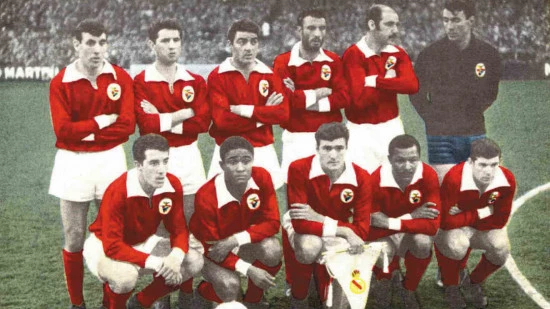
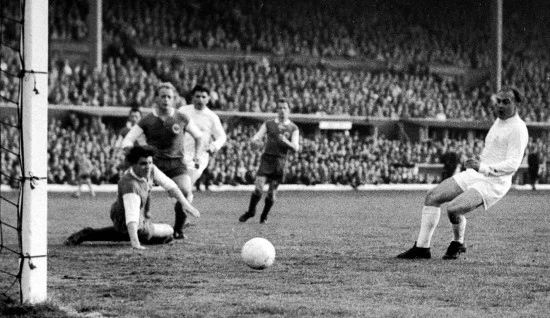
- Real Madrid were the most successful club in the competition up until 1992 – the year in which it changed its format and name – having won a total of six titles. An even more striking fact is that five of those six titles were won consecutively, from the very first edition in the 1955–56 season right through to the 1959–60 season. Everything suggested that Real Madrid would secure their sixth consecutive title in the 1960–61 season, but SL Benfica ultimately prevailed in that final. In doing so, the Lisbon side brought an end to the Madrid club’s winning streak and became the second club to have their name added to the competition’s roll of honour.
- Benfica is also the club that has lost the most finals in the former European Cup, with a total of four defeats, against Manchester United, Inter Milan, PSV Eindhoven and AC Milan.
- The manager with the most titles in the competition is the legendary Bob Paisley, who won three – in the 1976–77, 1977–78 and 1980–81 seasons – all of them whilst in charge of Liverpool. We could draw up an endless list of managers with two titles, but the now legendary Béla Guttmann deserves a special mention, having won the competition twice with SL Benfica. However, following his famous curse on the Portuguese side, Benfica embarked on a long run of defeats in finals that continues to this day, having lost a total of seven finals between the European Cup (now the Champions League) and the UEFA Cup (now the Europa League).
- The match with the highest attendance up to 1992 is also the match with the highest attendance in the competition’s history. Around 127,621 spectators attended the 1959–60 European Cup final, contested between Real Madrid CF and Eintracht Frankfurt. The Merengues won 7–3 in a match played at Hampden Park in Glasgow, Scotland.
Champions League after 1992
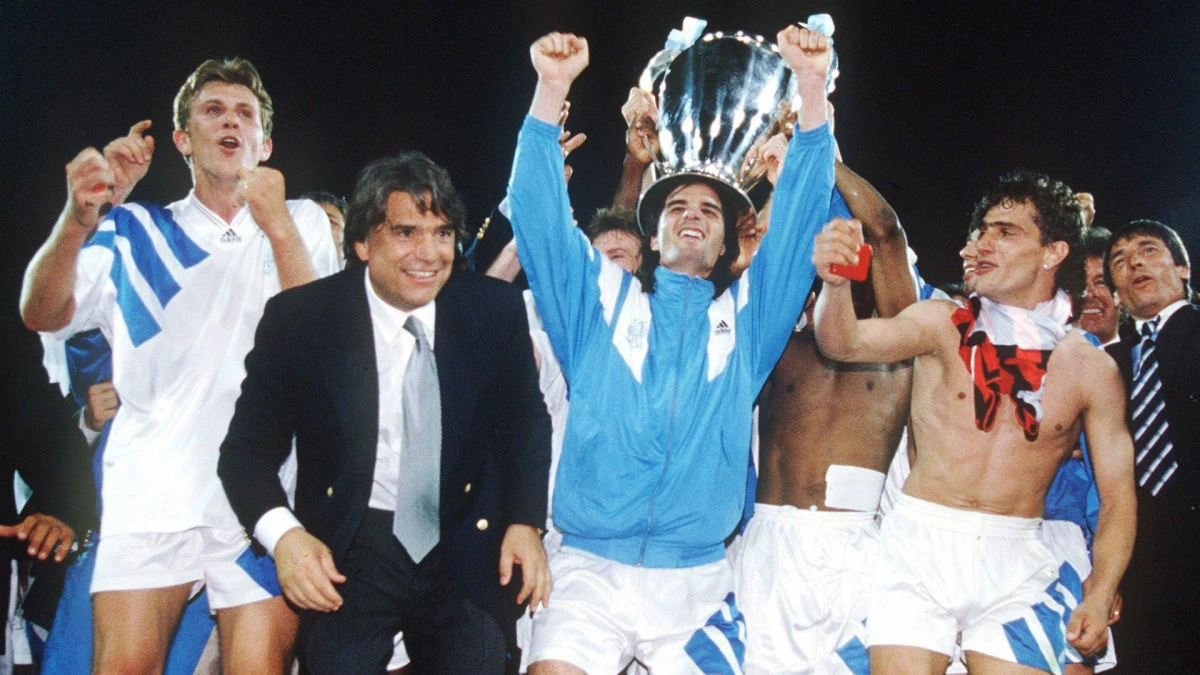
The 1992–93 season was the first edition of the competition under the name Champions League, and even then a number of changes were introduced to the format, driven largely by marketing requirements and television rights. That year, the big winners were Olympique de Marseille, who defeated the all-powerful AC Milan in the final. The French side thus became the first champions of the new Champions League. Since then and up to the present day, the competition has undergone numerous changes and updates to both its format and its rules. The competition system has evolved into a tournament of the highest calibre, in which even a smaller club can dream of making a historic run. However, due to the globalisation of football and the disproportionate growth of certain leagues and clubs, since 2004 the finals have featured exclusively teams from Spain, Italy, Germany and England.
The competition format was as follows: the group stage comprised 32 clubs, divided into eight groups, with the top two teams from each group progressing to the knockout stage. The third-placed team secured direct entry to the knockout stage of the UEFA Europa League. With this format, coupled with the competition’s extensive media coverage and international exposure, the Champions League became the tournament that distributed the most prize money amongst the participating clubs. Simply for reaching the group stage, each team received around 15 million euros, not including revenue from television rights.
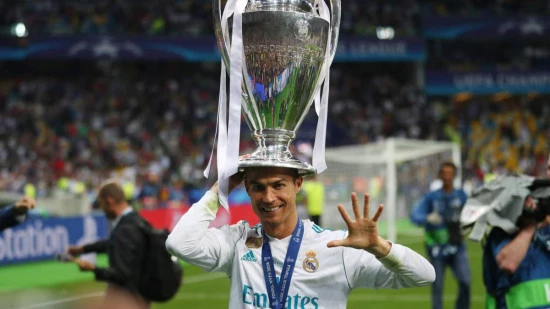
Since 1992, under the new format, there have been 13 different champions from just seven countries: England, Spain, Germany, Italy, France, Portugal and the Netherlands. The champions were: Real Madrid, FC Barcelona, Olympique de Marseille, Ajax, Borussia Dortmund, Bayern Munich, Inter Milan, AC Milan, Juventus, FC Porto, Liverpool, Chelsea and Manchester United. The most successful club in the competition remains Real Madrid, with thirteen titles, followed by AC Milan, with seven. FC Porto is one of the two clubs with the best win rate in finals, having played in two and won the title on both occasions.
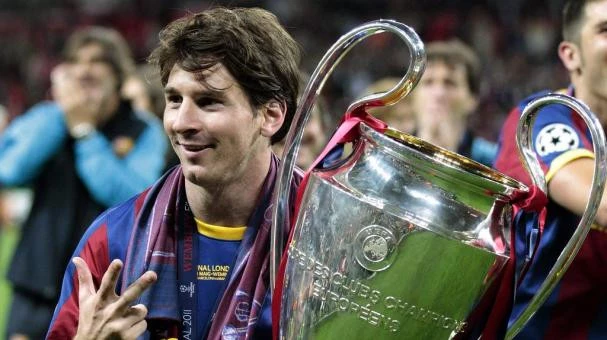
Interesting facts about the Champions League
- Olympique de Marseille is, to date, the only club to have won the competition that was barred from defending its title in the following edition. This was all a result of the corruption scandal involving its then-chairman, Bernard Tapie.
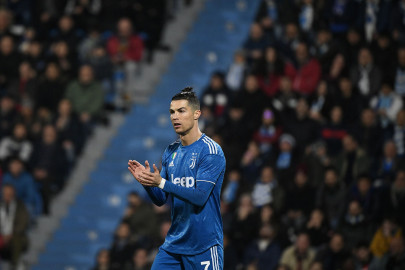
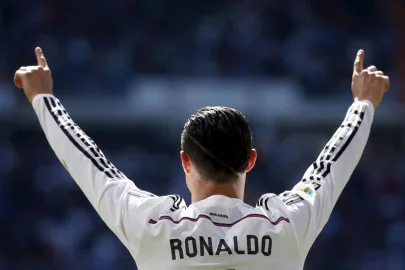
- The competition’s all-time top scorer is Portuguese star Cristiano Ronaldo, with 128 goals.
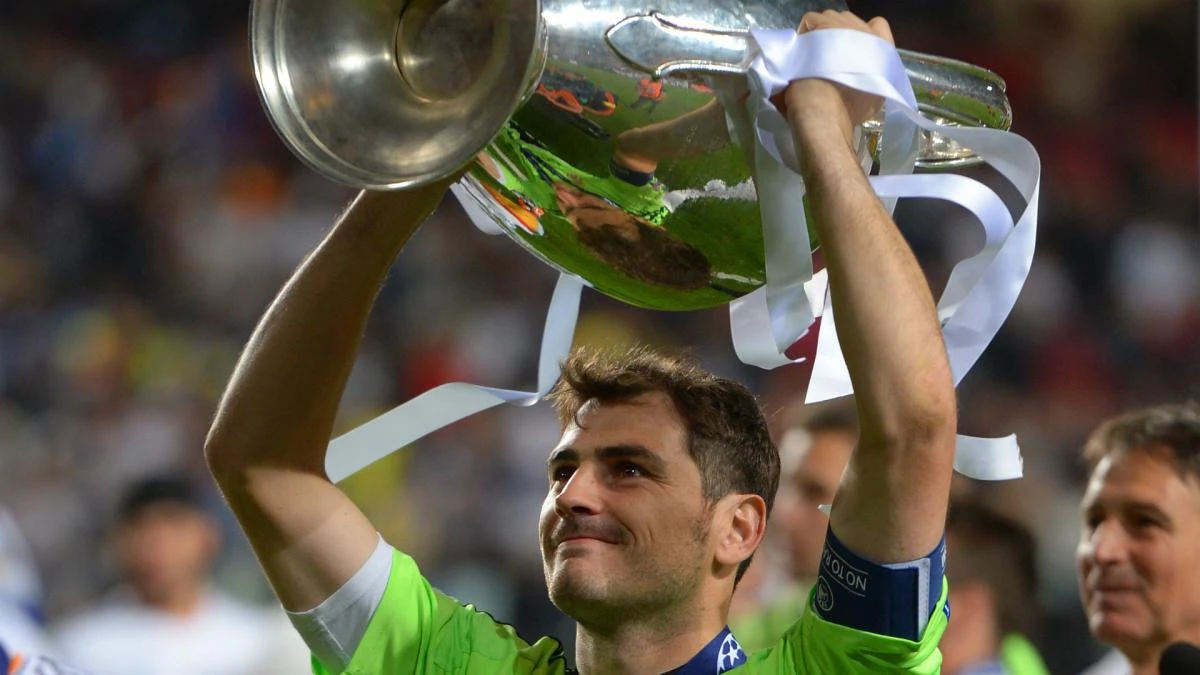
- The player with the most appearances in the competition is former FC Porto goalkeeper Iker Casillas, with a total of 178 appearances.
- Francisco Gento is the player with the most titles, with six in total. Cristiano Ronaldo follows in second place, with five championship titles.
- England is the country with the most European champion clubs, with a total of five: Liverpool, Chelsea, Manchester United, Aston Villa and Nottingham Forest. If we include the whole of Great Britain, we could also add Celtic FC, bringing the total to six.
- The Maldini family is the only footballing dynasty to boast two generations of players who have won the coveted European title.
- As for the clubs that have managed to win the competition without losing a single match – something that is practically impossible nowadays – a total of ten teams have achieved this feat. Of these, only FC Porto, SL Benfica, Ajax, Manchester United and Liverpool have done so on more than one occasion.
And that’s the history of the UEFA Champions League. If you think we’ve left out any interesting facts that you know of, please feel free to share them in the comments.