We are sure many of you are unfamiliar with this competition; even those of you who know something about it probably know very little about this historic European football competition, which was part of the international scene for almost forty years and was once regarded as UEFA’s second most important competition. This is a tournament which held its final edition in the 1998/99 season, with the trophy last being lifted by Lazio.
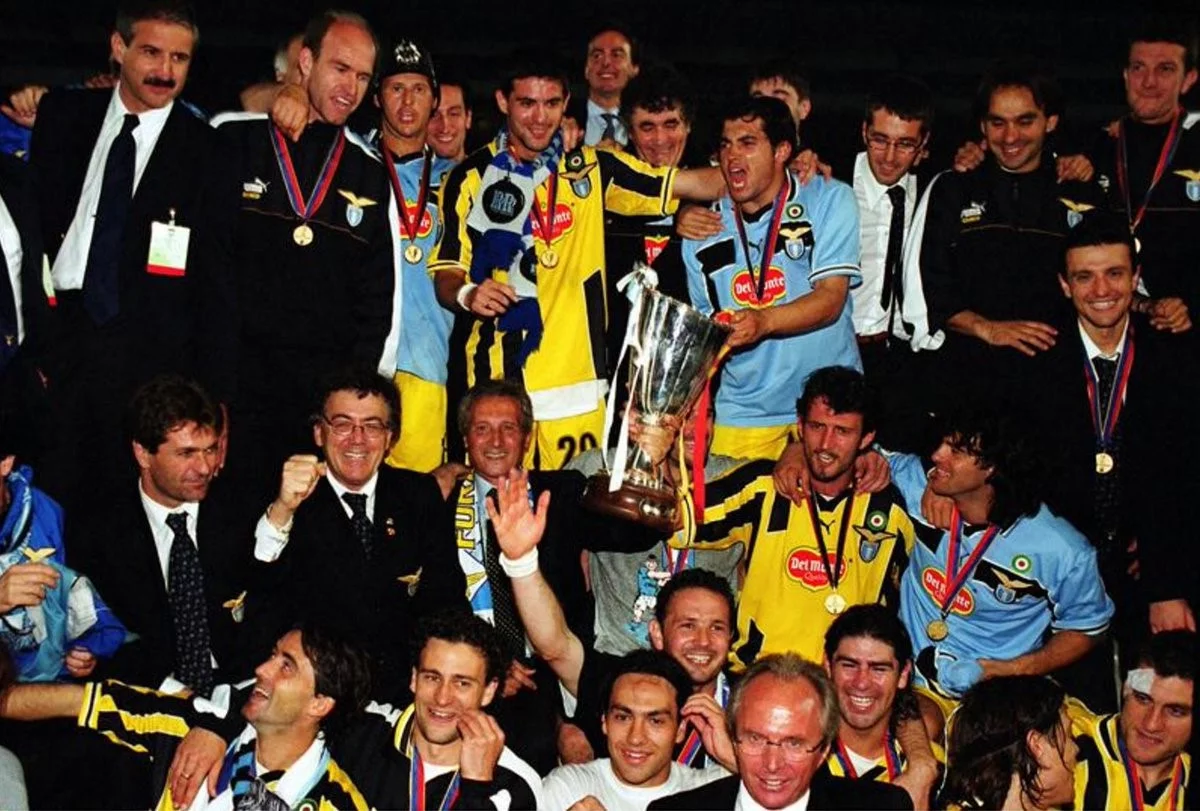
There are currently only three international European club competitions: the Champions League and the Europa League (formerly the UEFA Cup). There is also another competition which, as it is reserved for the winners of these two, is known as the European Super Cup. The reality is that European football once had a fourth competition which, during its golden years in the 1970s and 1980s, was regarded and recognised as the continent’s second most important competition. In fact, at that time, the European Super Cup pitted the winner of the European Champions’ Cup against the winner of the European Cup Winners’ Cup.
The history of the European Cup Winners’ Cup
This competition was first held in the 1960/61 season, although it was not officially recognised by the governing body – in this case, UEFA – until the 1962/63 season. The tournament was created with the aim of crowning the European champion of the national cup competitions, as its name suggests. Only clubs that had been crowned champions of their respective national cup competitions were eligible to take part. The original format remained virtually unchanged until the competition’s final edition. The competition was contested over two-legged ties, and the rule that away goals counted double was only introduced in its final decades.
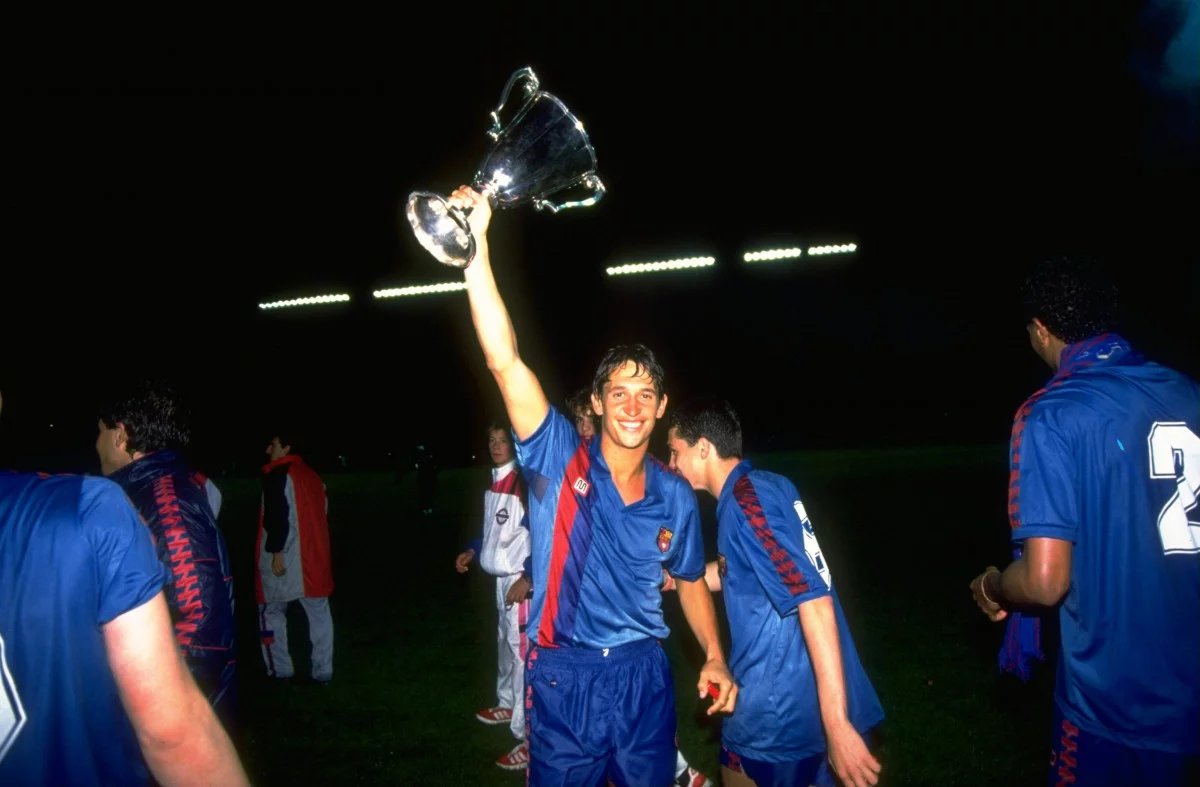
FC Barcelona’s dominance
Over the course of its 39 editions, the competition has seen 32 different clubs crowned champions. Among them, FC Barcelona stands out for its dominance in the tournament, having won four titles in 1979, 1982, 1989 and 1997. The Spanish club also reached two further finals in 1969 and 1991, although they lost both to Slovan Bratislava and Manchester United, respectively.
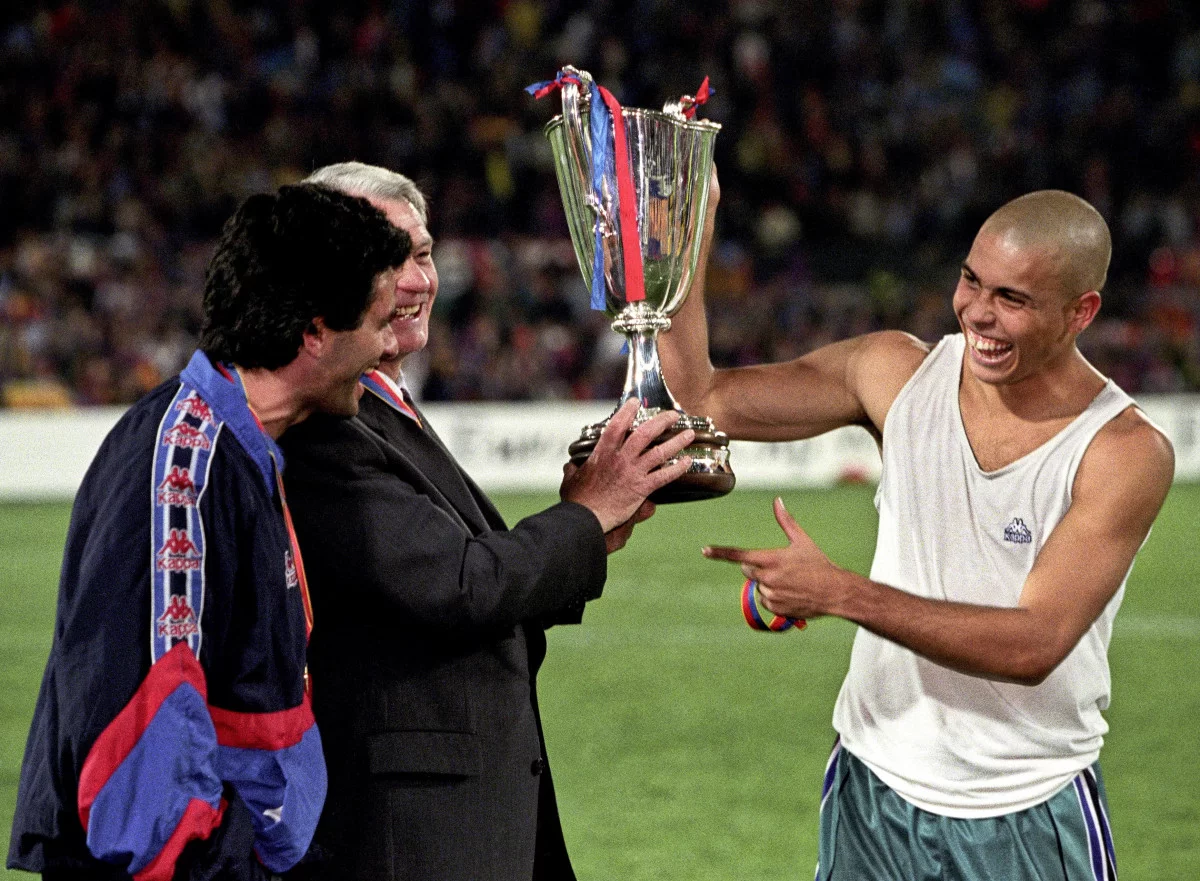
Due to the supposed ‘curse’ that has always been associated with this competition, apart from Barcelona, no other club has ever clearly dominated the tournament. This is also one of the reasons why there have been 32 different winners across 39 editions. Among the other winners, we can highlight clubs such as Dynamo Kyiv, Dynamo Tbilisi, Borussia Dortmund, Magdeburg, Mechelen and Hamburg. An interesting fact is that some of these clubs, which were once considered giants of European football, are now far removed from the elite and are even competing in the lower divisions of their respective countries.
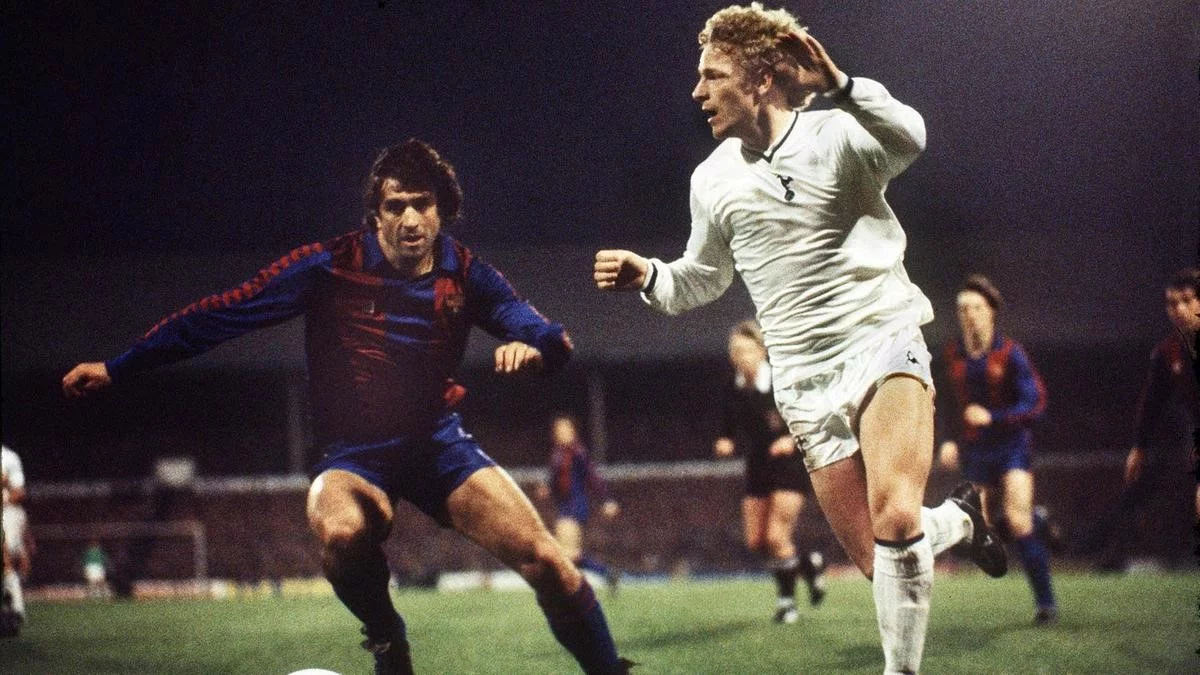
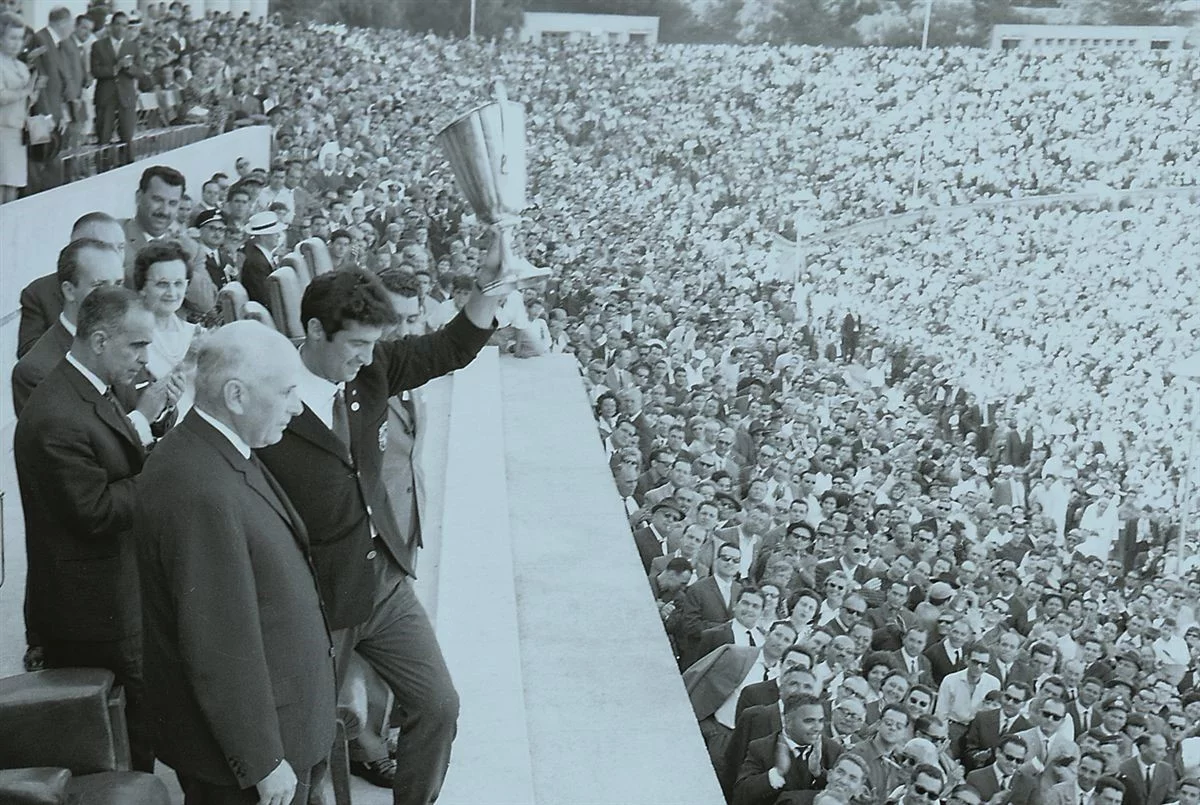
Sporting Clube de Lisboa in the 1963–64 European Cup Winners’ Cup
Although FC Porto also reached a European Cup Winners’ Cup final, there is only one Portuguese club that has this title to its name, and that club is Sporting CP. The Lisbon side achieved this feat in the 1963/64 season, defeating MTK Budapest in the final. What goes down in history is not only the winning of the trophy, but also a record that still stands today: the 16–1 victory over APOEL Nicosia at the old José Alvalade Stadium.
Decline and disappearance
Although it is regarded as the second most important European club competition and boasts some big names among its list of champions, the truth is that the competition has always been viewed somewhat differently, partly due to the presence of less prestigious clubs. Many of them reached the tournament after causing an upset in their country’s domestic cup the previous season.
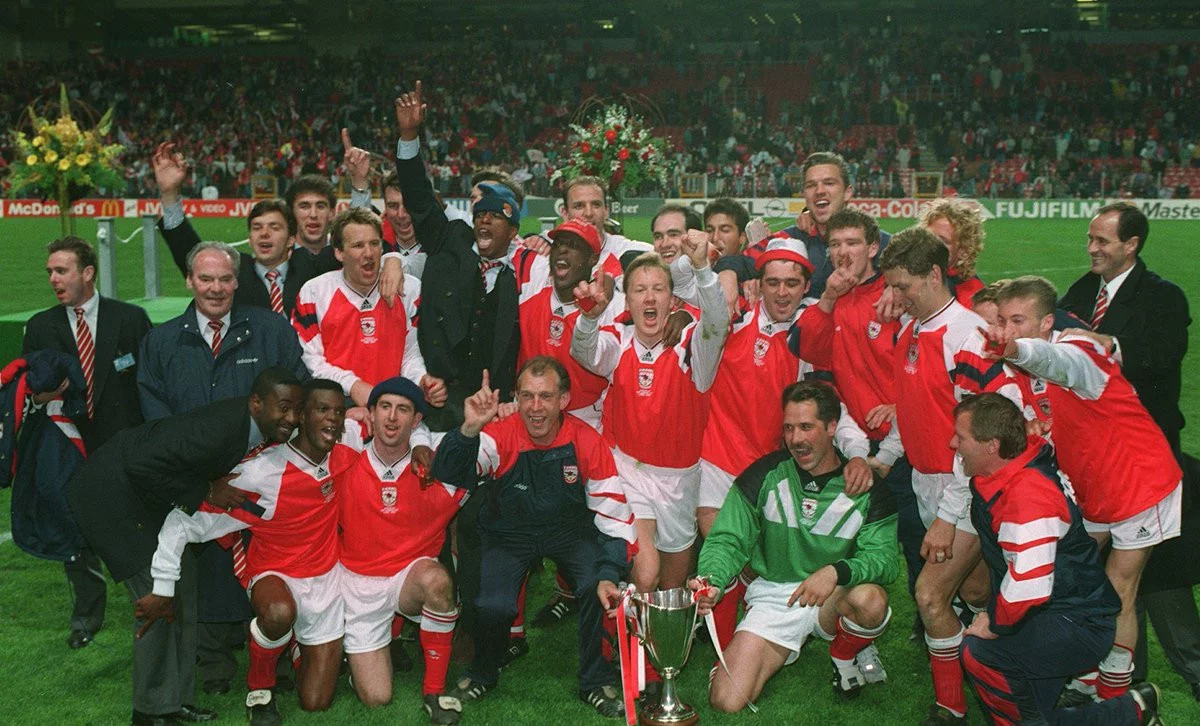
With the emergence of a new major competition such as the Champions League (formerly the European Cup), the European Cup Winners’ Cup began to lose its significance. The first major expansion of the Champions League in the 1996/97 season, which allowed more than one club per country to take part in UEFA’s top competition, accelerated this process even further. Faced with this new reality, UEFA took the decision to abolish the competition permanently after the 1998/99 season. Many of the clubs that won their domestic cups went on to compete in the revamped Champions League, whilst the teams that were left out – some of which had less international recognition – ended up taking part in an increasingly unattractive European Cup Winners’ Cup, which had a negative impact on interest in and revenue generated by the competition.

UEFA is currently planning to launch a new European competition in the coming years. In the meantime, clubs that win their respective national cups have no other route into European competition than the Europa League – a tournament that has also become increasingly difficult for smaller teams to win due to UEFA’s latest reforms, which allow clubs from the Champions League to enter the competition. Personally, we miss a competition like the European Cup Winners’ Cup, a tournament that offered a different perspective on European football and allowed smaller clubs to dream of winning continental titles.