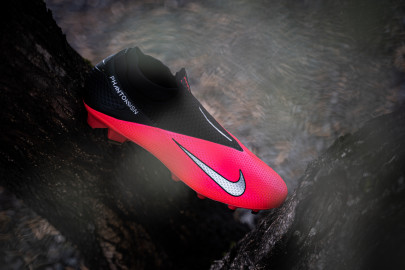
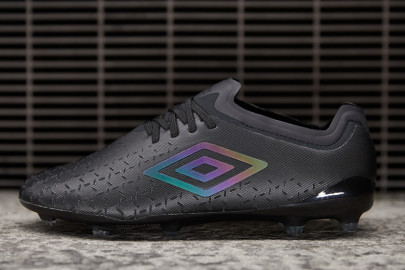
2020 has got off to a flying start. Both adidas and Nike have already made their intentions for the new year clear, and the truth is that neither brand seems willing to take their foot off the accelerator in their battle to become the world’s number one football brand. We’re also at that time of year when many of you take the opportunity to change your boots, for whatever reason. And we know that choosing your next pair is no easy task, especially when the market offers such attractive and competitive options across virtually every brand. That’s why, today, we’re going to compare two of the major new releases from adidas and Nike at the start of the year, to analyse what each one really has to offer and find out which one best suits your playing style and your needs.
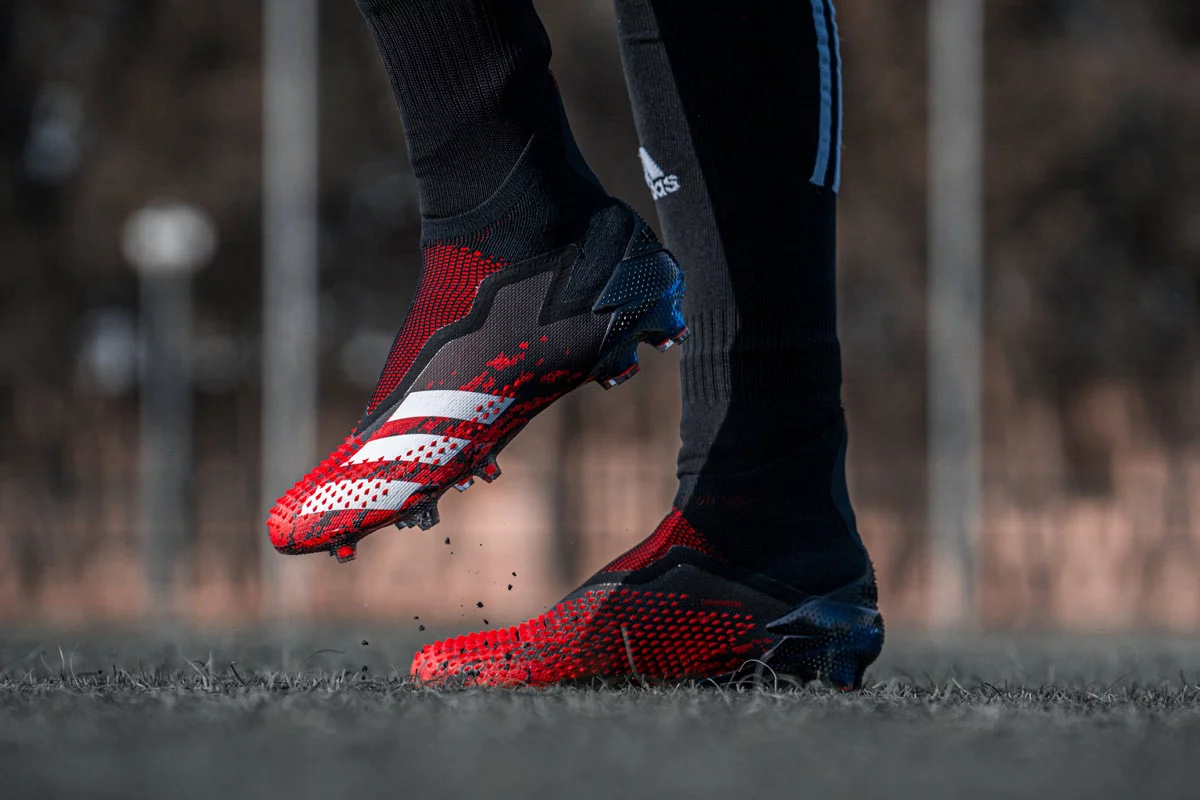
adidas Predator 20+
The new adidas control boots feature an upper constructed entirely from Primeknit, which provides a truly outstanding level of comfort and feel when in contact with the ball. Added to this is the new DemonSkin technology, designed to enhance grip during control and dribbling, whilst also offering extra precision in both passing and shooting. In this generation, adidas has dispensed with the traditional BOOST midsole found in the previous Predator 19 models, in pursuit of a more direct and specific feel on the pitch.
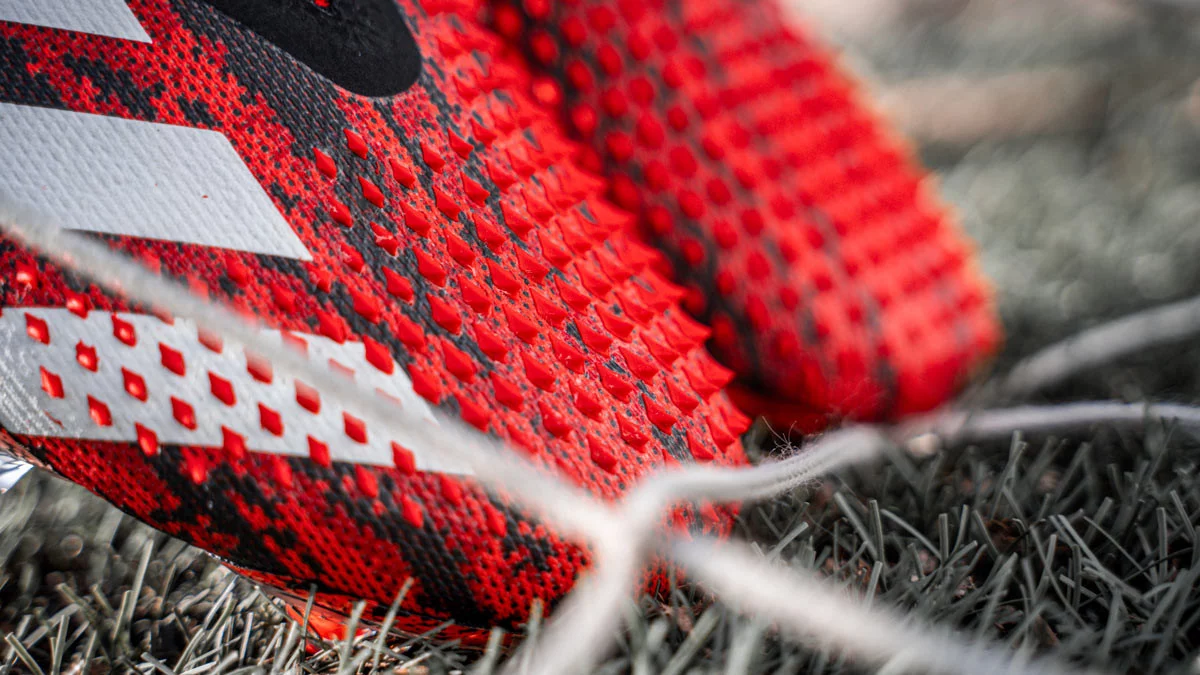
The outsole features a new two-piece modular construction with a ControlFrame plate that works in conjunction with the heel counter to improve stability, support and the fit of the foot. The stud pattern has been specially designed for a boot of this type, as it facilitates turns and changes of direction – essential for getting past opponents in tight spaces or finding the precise pass to a team-mate.
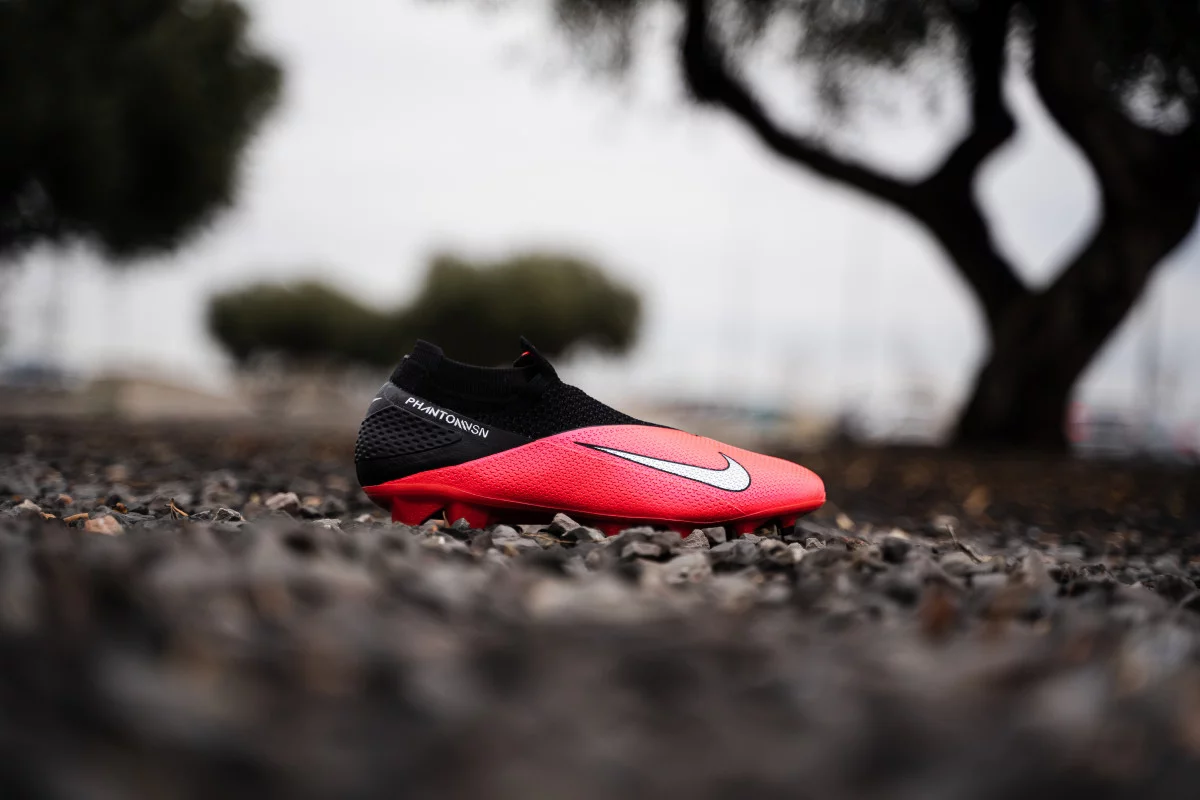
Nike Phantom Vision II Elite
The upper is made from Flyknit fabric featuring different textures and an improved finish. The result is a much softer and more comfortable feel right from the start, without the need to wear the boots for several training sessions to allow them to mould properly to the foot. On the inside, the rougher texture of the material increases the contact surface area, providing greater grip and making it easier to control the ball and dribble at higher speeds using that part of the foot. This is a particularly interesting feature for footballers who want to keep the ball under control at all times, even when playing at a fast pace. On the inside tongue, we once again find Ghost Laces technology, which has been retained in this second generation. Its aim is to free the area in contact with the ball from any elements that might interfere, providing a cleaner striking surface and allowing the player to focus solely on the action.
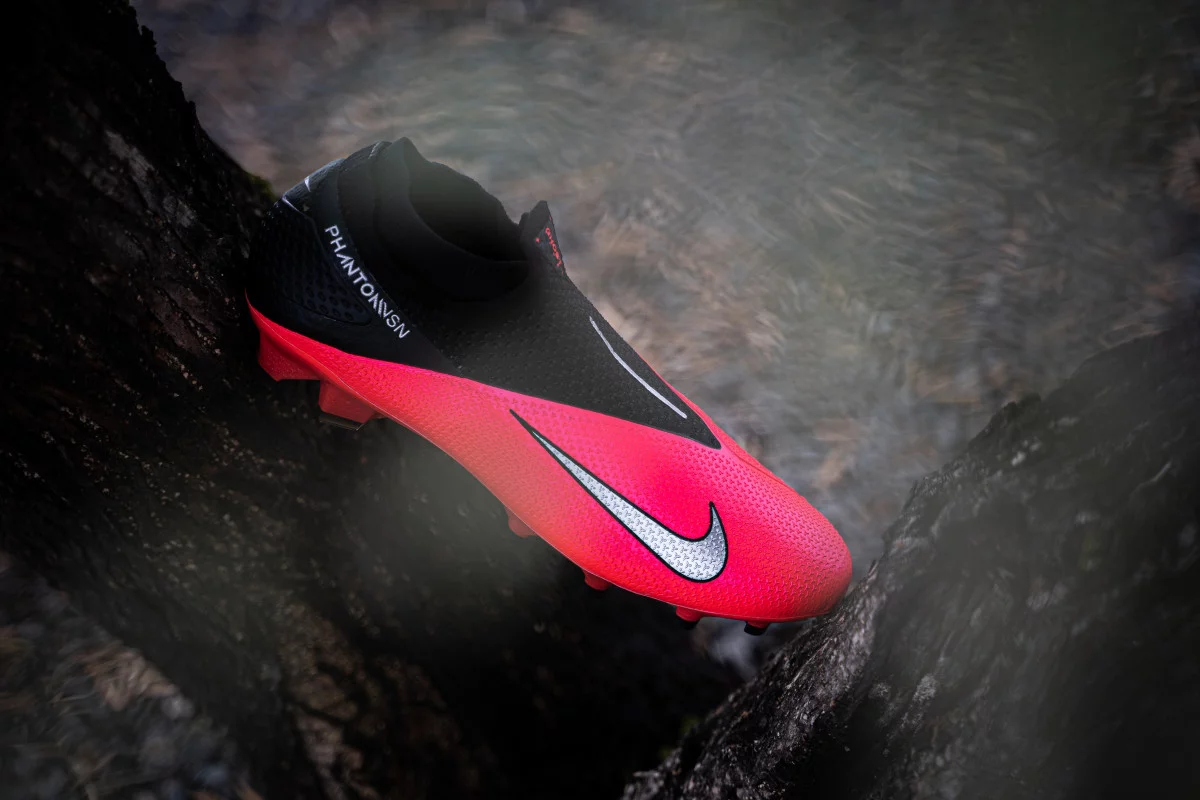
In the internal chassis – and this is where we return to the topic of stability – Nike has incorporated its now-famous QUADFIT, a sort of internal mesh situated on the sides of the boot that serves two key functions: improving stability and providing a more precise fit. The new outsole stands out for being extremely lightweight yet highly responsive. In this way, Nike manages to reduce the boot’s weight and enables the footballer to make the most of the power generated by their legs, whilst also facilitating turns and changes of direction without compromising on stability.
These are, therefore, the main features that set the adidas Predator 20 apart from the Nike Phantom VSN II. Although both are classified as control boots and share a similar philosophy, the truth is that they offer quite different sensations on the pitch. The Phantom Vision II opts for a lower profile and reduced weight, aiming for a lighter and more dynamic feel. The Predator 20, on the other hand, stand out for their more robust construction and for offering particularly high levels of stability and support. Two different approaches to control and, above all, two options designed for footballers with different needs.