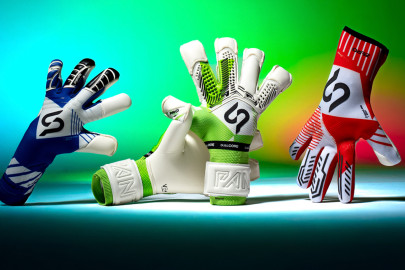
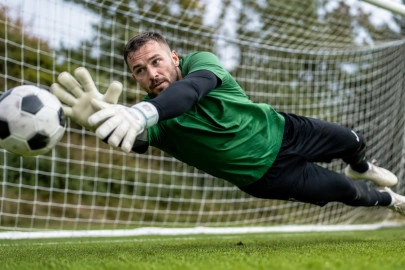
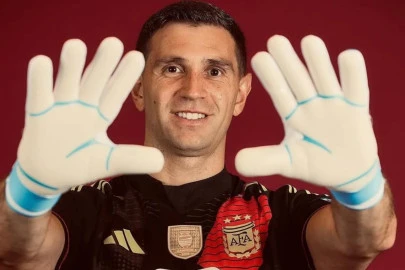
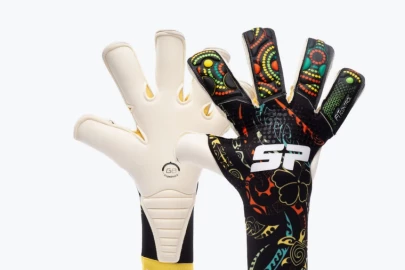
Choosing goalkeeper gloves isn’t just about picking the model you like best or the one your favourite goalkeeper wears. A good pair of gloves can give you better grip, more confidence when making saves and a better feel between the posts, but to get it right you need to take several factors into account: the type of palm, the cut, the size, the surface you play on and how you intend to use them.
A kid just starting out doesn’t need the same thing as a goalkeeper who competes every weekend. Nor does a glove wear out in the same way on natural grass as it does on artificial turf. That’s why, here at Fútbol Emotion – as specialists in goalkeeping kit – we’ll explain how to choose your goalkeeper gloves according to your level, your style and your needs in this guide.
Choose your gloves according to your level
The first step to making the right choice is to be clear about what you’re going to use the gloves for. Not all models are designed for the same purpose, and choosing wisely here can help you achieve greater comfort, performance and durability.
Goalkeeper gloves for beginners
If you’re just starting out or looking for gloves for a child, the most important thing is that they’re comfortable, durable and easy to use.
At these ages or at beginner levels, goalkeepers need confidence, but they also need gloves that can withstand training sessions, falls and a lot of contact with the ground. That’s why it’s usually better to choose a more durable palm rather than one that’s too soft and delicate.
It may also be worth opting for gloves with finger protection, especially if the goalkeeper is still learning blocking techniques or wants an extra sense of security.
Goalkeeper gloves for training
Training gloves have to withstand a lot of wear and tear. If you train several times a week, it’s best to look for a well-balanced model: good grip, but with a palm designed to withstand more wear and tear.
It’s not always best to choose the glove with the most grip on the market. Softer palms tend to offer better grip, but they also wear out sooner. For training, it’s often worth choosing a slightly more durable glove and saving the models with maximum grip for matches.
Goalkeeper gloves for matches
Match gloves are designed to offer the best possible feel: more grip, better contact with the ball and a more professional feel.
They usually use softer, more grippy latex, which is a great help with blocks, clearances and quick moves. That said, they’re also more delicate. If you use them in very intense training sessions or on abrasive pitches, they’ll wear out sooner.
If you play matches every weekend, it’s best to have two pairs: a durable pair for training and a pair with better grip for matches.
Palm: the most important part
The palm is one of the key features of any goalkeeper’s glove. It is the area that comes into direct contact with the ball and has the greatest influence on grip, cushioning and durability.
Palms with more grip
High-grip gloves are designed for goalkeepers looking for maximum security when blocking shots. They tend to be softer and offer a very good feel when catching the ball.
They are ideal for matches, natural grass pitches, or goalkeepers who prioritise grip over durability. The downside is that they wear out more quickly, especially when used on artificial turf or hard surfaces.
-
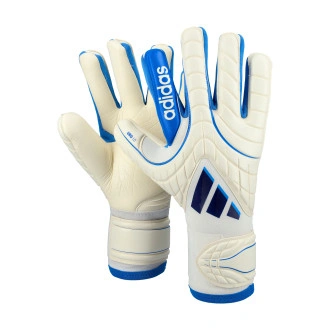
Gloves Copa Pro White-Lucid Ray Blue-Dark Blue
-10%€139.99€125.99Go to technical description -
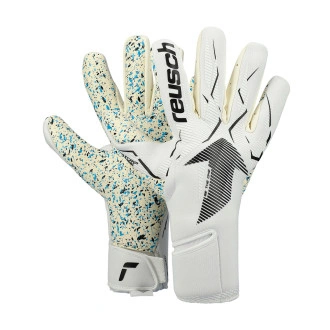
Gloves Fastgrip Fusion White
€124.99Go to technical description
Most durable palms
The most durable gloves are designed to last longer. They’re perfect for training sessions, grassroots football, artificial turf or goalkeepers who need a pair of gloves for frequent use.
They may not offer the same grip as a professional match glove, but they provide an excellent balance between safety and durability.
-
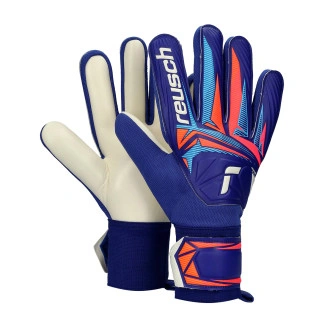
Gloves Attrakt Starter Solid sharp blue-white-shocking orange
-15%€19.99€16.99Go to technical description -
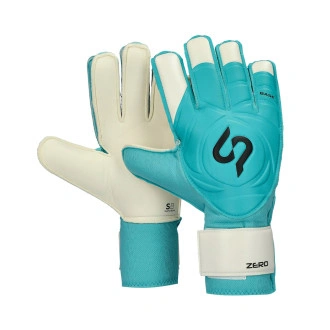
Gloves Zero Base cyan - grey
€24.99Go to technical description
Wet weather grip palms
If you regularly play in the rain or on very wet pitches, you might be interested in a glove with a palm designed specifically for wet conditions. These palms are designed to provide a better grip in wet conditions.
They work particularly well when activated by moisture, so it’s a good idea to dampen them slightly before playing. These gloves are very useful for goalkeepers who play in rainy areas or during the winter months.
-
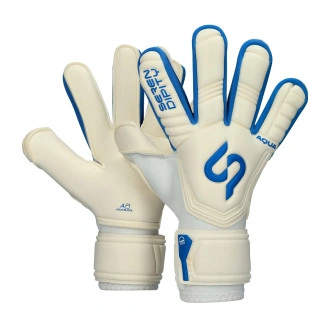
Gloves Serendipity Pro Aqualove White
€84.99Go to technical description -
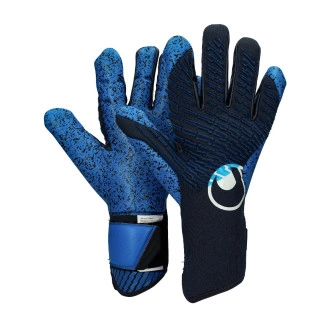
Gloves Fangmaschine Aquagrip Hn Dark marine-Blue
€149.99Go to technical description
Which cut should you choose
El corte del guante afecta directamente al ajuste, a la sensación en los dedos y al contacto con el balón. No hay un corte mejor para todo el mundo: depende de cómo te guste sentir el guante en la mano.
Flat cut
The flat cut is one of the most classic styles. It has a roomier, more comfortable fit, with external seams.
It’s a good option for goalkeepers who want space for their fingers, comfort and a traditional feel. It can also be a very good choice for children or goalkeepers who don’t want a fit that’s too tight.
-
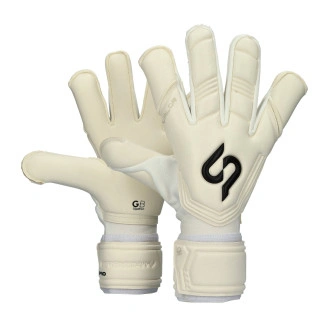
Gloves Serendipity Pro Valor White-Black
-15%€79.99€67.99Go to technical description -
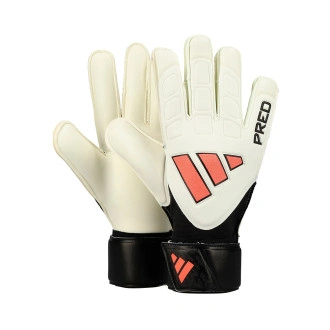
Gloves Predator Match White-Black-Solar Turbo
-11%€44.99€39.99Go to technical description
Rollfinger cut
In the rollfinger cut, the latex wraps around the fingers. This increases the contact surface with the ball and provides a more cushioned feel.
It is a very interesting cut for goalkeepers looking for confidence when blocking shots and a greater sense of contact. It is usually very popular with those who prefer a comfortable, snug-fitting glove with good cushioning.
-
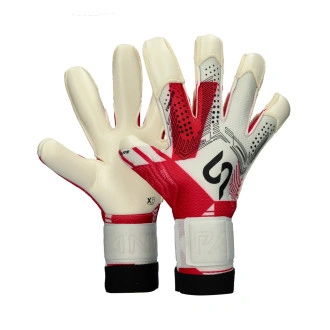
Gloves Pantera Elite magenta - grey
€99.99Go to technical description -
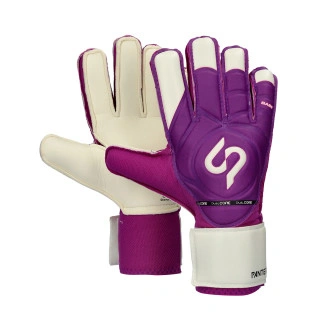
Gloves Pantera Base Junior magenta - grey
€14.99Go to technical description
Negative cut
The negative cut has the seams on the inside, which creates a tighter, more technical fit.
It’s a favourite cut among many goalkeepers who want the glove to feel like a second skin. It offers a very precise feel, but it’s also a tighter fit, so it’s important to get the size right.
-
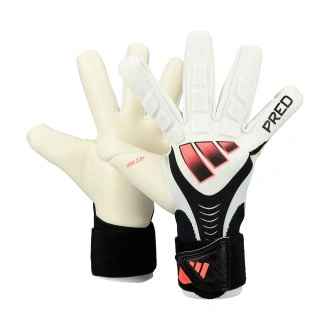
Gloves Predator Pro Strap Solar Turbo-Black-White
€139.99Go to technical description -
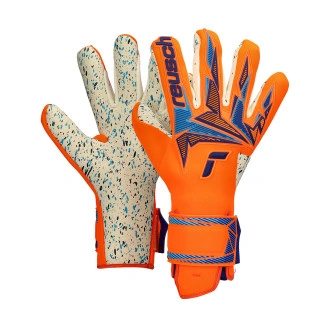
Gloves Attrakt Freegel Fusion Shocking Orange-Blue
-15%€129.99€109.99Go to technical description
Hybrid cut
Hybrid cuts combine features from various cuts. For example, they may combine negative-cut areas with rollfinger areas to strike a balance between fit, comfort and contact surface.
They are very common in modern mid-range and high-end gloves, and can be a great option if you’re looking for a well-rounded, versatile glove.
-
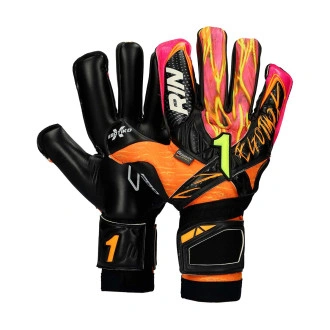
Gloves Egotiko X Pro Orange- Black
-35%€113.99€73.99Go to technical description -
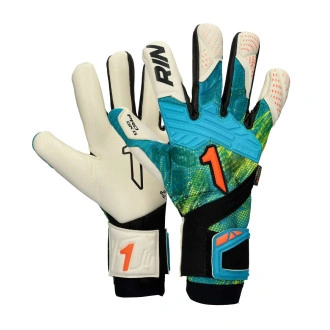
Gloves Fiera Pro Onana Green-Orange
-30%€110.00€76.99Go to technical description
-
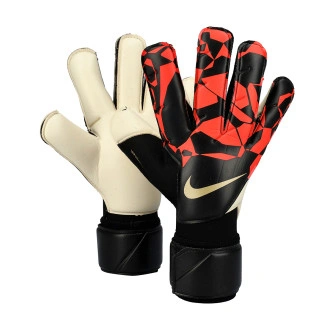
Gloves Vapor Grip3 Black-Bright Crimson-Blur
-10%€119.99€107.99Go to technical description -
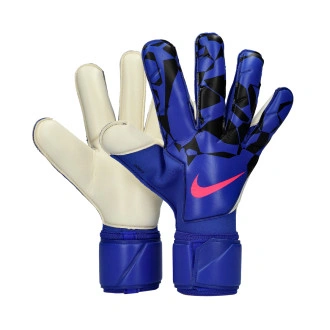
Gloves Grip3 racer blue-black-pink blast
-40%€69.99€41.99Go to technical description
When to choose gloves with protection
Gloves with built-in protection feature rods or reinforcement systems in the fingers. Their purpose is to help reduce hyperextension when the ball strikes with force.
They can be a good option for young goalkeepers, players who are just starting out, or goalkeepers who want an extra sense of security. They can also be useful if you’ve experienced discomfort in your fingers or if you train with a lot of powerful shots.
That said, the protective padding does make the glove slightly less flexible. If you’re a goalkeeper who prioritises mobility, touch and freedom of movement in your hand, you’ll probably feel more comfortable with a glove without protective padding.
Surface also matters
The pitch you play on has a big influence on your choice of glove. The same palm can last a long time on one surface but wear out quickly on another.
Natural grass
On natural grass, you can prioritise grip and the feel of the ball. It’s a less abrasive surface than artificial turf, so softer palms make more sense.
If you play matches on natural grass, a high-grip glove like the ones we’ve seen before can give you a really good feel for the ball.
Artificial grass
Artificial turf causes much more wear and tear on the palm. So, if you train or play almost exclusively on artificial turf, it’s best to look for a durable glove.
In this case, it’s better to sacrifice a little bit of maximum grip in exchange for greater durability. It’s also important to avoid getting up by resting your palm directly on the ground, as this significantly accelerates wear and tear. We usually recommend mid-range gloves, which give you a good feel but won’t wear out before the end of the match.
Futsal or hard ground
In futsal, on concrete or hard courts, wear and tear is even greater. In this case, it is best to wear durable gloves or gloves specifically designed for these types of surfaces.
If you wear very soft match gloves on a hard court, they will usually wear out quickly.
-
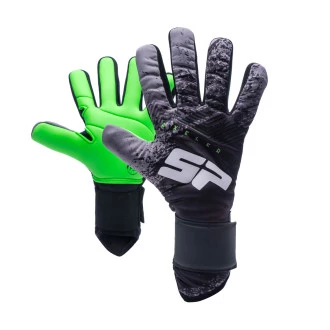
Gloves Axeler Pro Fingers Black-Green
-50%€39.99€19.99Go to technical description -
Gloves Kids Axeler Pro Fingers Black-Green
-35%€39.99€25.99Go to technical description
How to choose your size
The fit is crucial. A glove that is too big will cause you to lose control and confidence. One that is too small can be uncomfortable and restrict hand movement.
The glove should fit snugly, but without being too tight. Your fingertips shouldn’t be completely squashed, but there shouldn’t be too much space either.
With negative cuts, it’s normal to feel a tighter fit. With flat or rollfinger cuts, the fit is usually slightly looser. For children, it’s not a good idea to buy gloves that are too big on the assumption that ‘they’ll grow into them’, because a glove with too much space reduces control over the ball.
Which glove to choose according to your profile
If you’re a kid or just starting out, look for a glove that’s comfortable, durable and easy to use. If you also want extra protection, you might want to consider models with finger protection.
If you train several times a week, prioritise a durable palm and a glove that can withstand regular use.
If you play matches every weekend, it’s best to have a match glove with better grip and a more durable training glove.
If you’re a technical goalkeeper and like to feel the ball very close to your hand, a negative or hybrid cut might suit you very well.
If your priority is to make secure saves, you might want to look for cuts with a larger contact surface, such as rollfinger or hybrid styles.
So then, which are the best goalkeeper gloves?
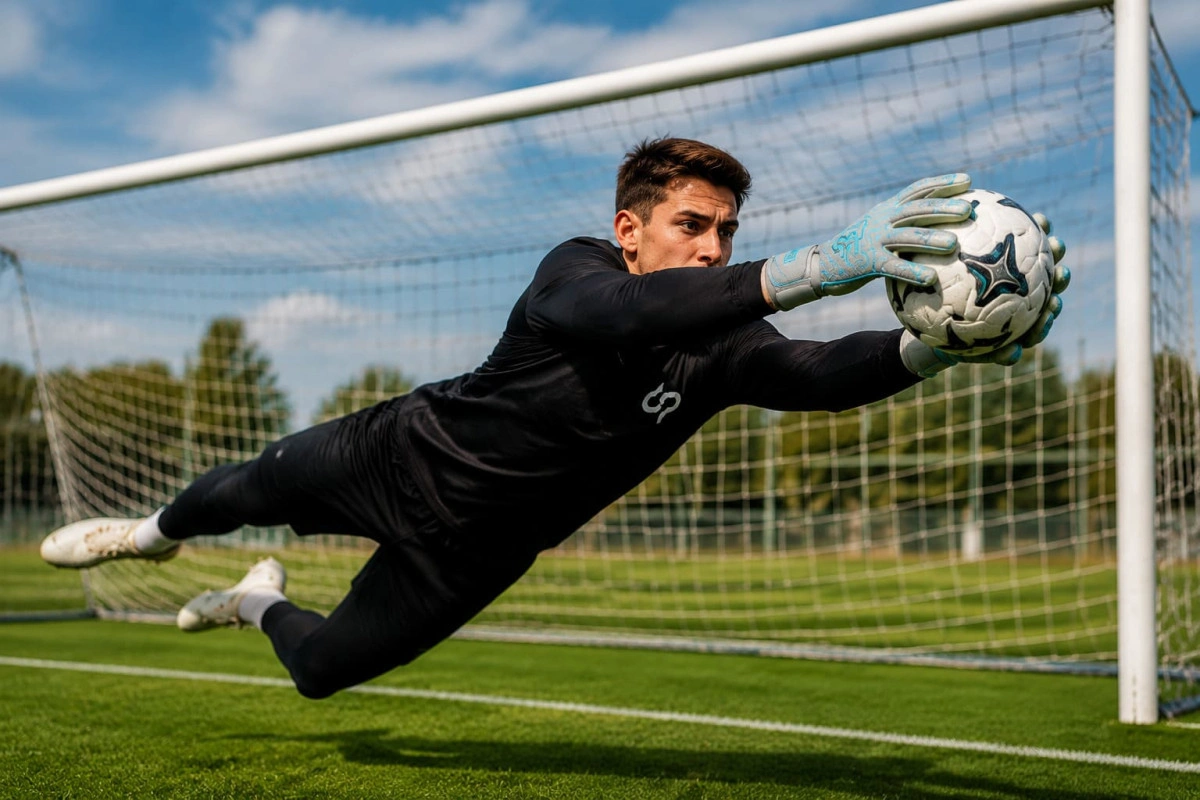
The best goalkeeper gloves aren’t always the most expensive. They’re the ones that best suit your level, the surface you play on, how they feel in your hands, and how you intend to use them.
If you’re looking for maximum grip, choose a softer palm and a glove designed for match play. If you need durability, go for a more robust palm. If you want extra protection for your fingers, look for models with finger protection. And if you want a very precise fit, try negative or hybrid cuts.
Choosing the right gloves can give you more confidence between the posts, greater assurance with every save and a better feel during every training session and match.
Find your goalkeeper gloves at Fútbol Emotion
At Fútbol Emotion, you can find goalkeeper gloves for all levels: kids' models, training gloves, gloves with protection, professional gloves and specific options for different surfaces and playing conditions. We’ve also put together a guide on how to look after your goalkeeper gloves.