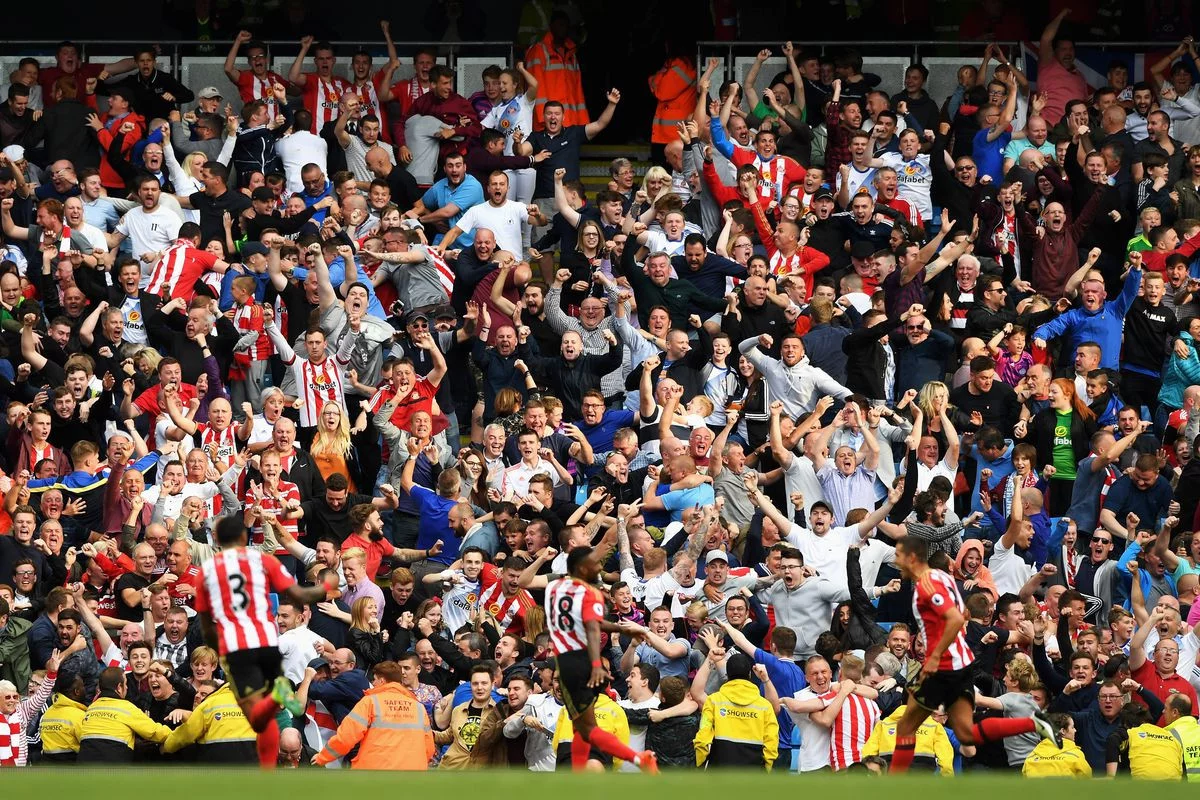
Football, as we all know, is a collective, team-based sport in which two teams of 11 players each try to score more goals than their opponents to win the match. This is perhaps the most blunt, direct and simple definition of the sport we all love, the ‘beautiful game’, the sport that serves to unite the masses around a common goal. However, football is much more than that: football is passion; it is its players, who try to give their all at every moment; it is the fans, who, come rain or shine, are there supporting their team; it is its tactics, its spectacular goals, and its controversies both on and off the pitch. Football is life.
The origins of football
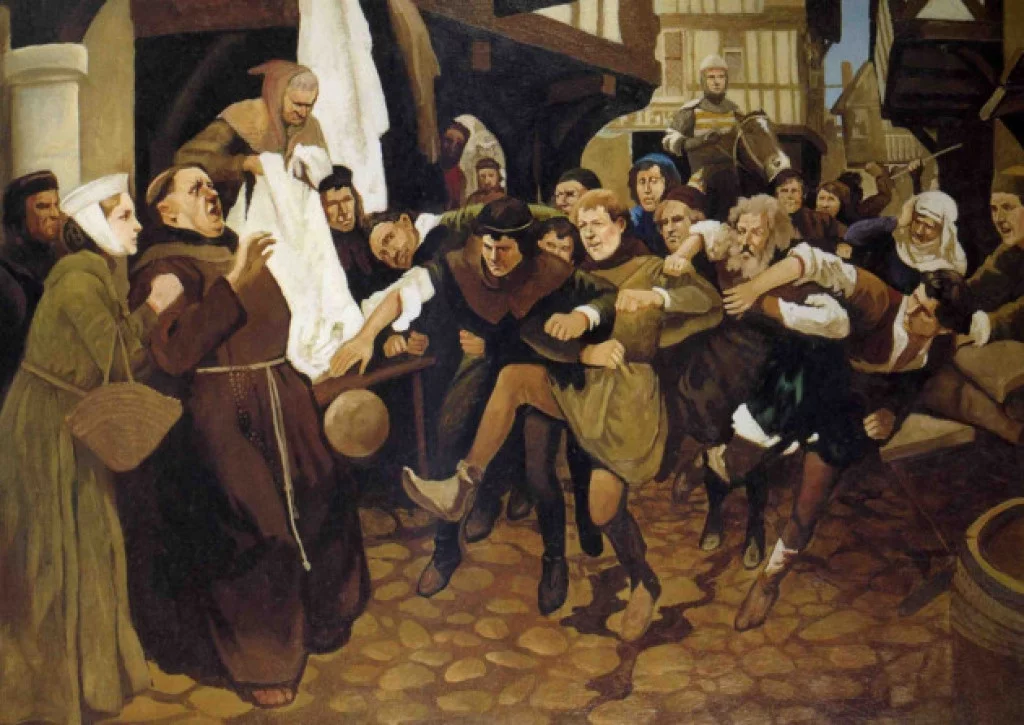
When we talk about the origins of football, many of us tend to mention England almost without thinking. However, football does not have its roots in England, but in China, where, almost 3,000 years ago, the Chinese were already playing a game very similar to the one we know today. Over time, football evolved – or, if you prefer, the practice of ball games underwent various changes depending on the era and the country in which it was played.
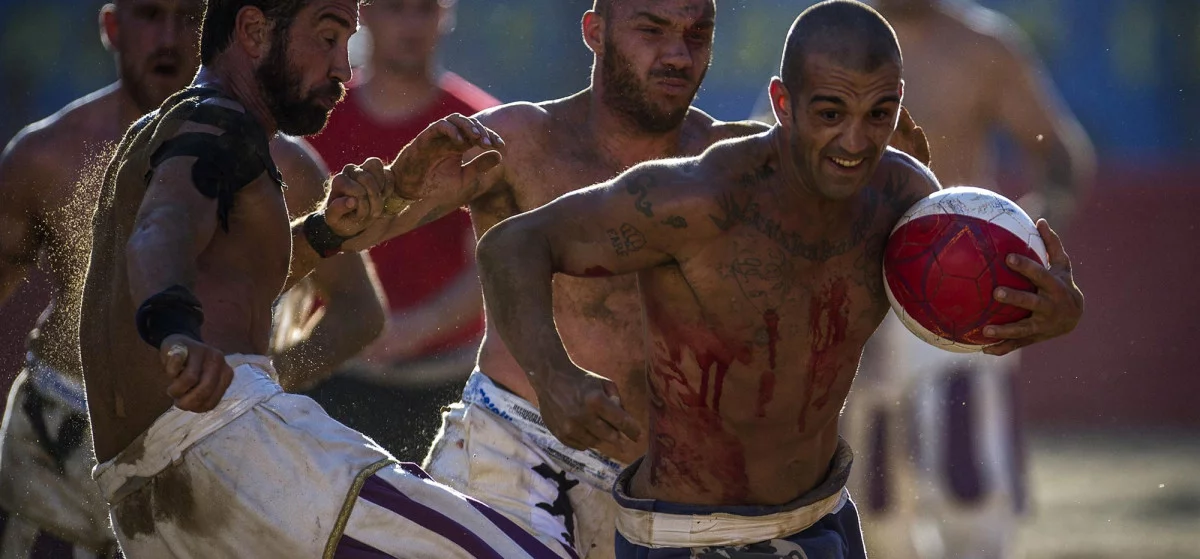
In Italy, for example, a sport that originated in the late Middle Ages is still very much alive today: CALCIO STORICO. It is a sport that combines ball games with a high level of physical contact and a certain degree of brutality. According to many historians, there is a fairly widespread view that rugby originated under the direct influence of calcio storico.
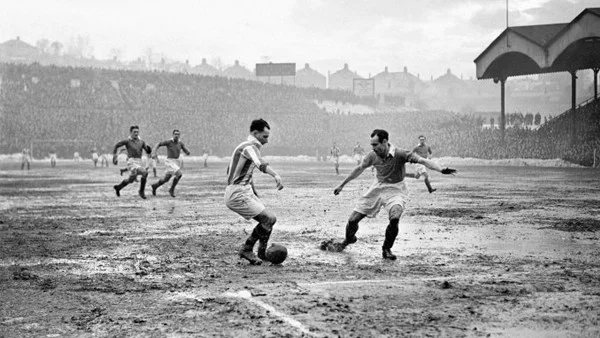
As the 19th century drew nearer, by which time rugby had established itself as Britain’s national sport, a split emerged between the leading English sports clubs of the era over the two sports. This split led to the creation of what we all know as modern football in 1863. Through a series of meetings and the drafting of specific rules for the game of football, the sport began to take its first steps. These rules were known as the Cambridge Rules, and with the formalisation of these regulations, another event took place that is considered key to the development of football: the birth of the Football Association (now the FA, the body that governs all professional competitions in England).
Early football events
With a clearly defined set of rules and a large group of organising clubs ready to launch their first competition, the first matches began to be played between these very clubs. Indeed, just a few years later, the first international football match took place, regarded as the first official encounter between national teams. On the 30th of November 1872, England and Scotland faced each other in a match that was not particularly memorable from a sporting perspective, as it ended in a goalless draw, but which would go down in history forever as the first official international match. Following these events, official tournaments began to emerge, such as the British Home Championship and the FA Cup (English Cup), which would go on to become the world’s oldest official club competition.
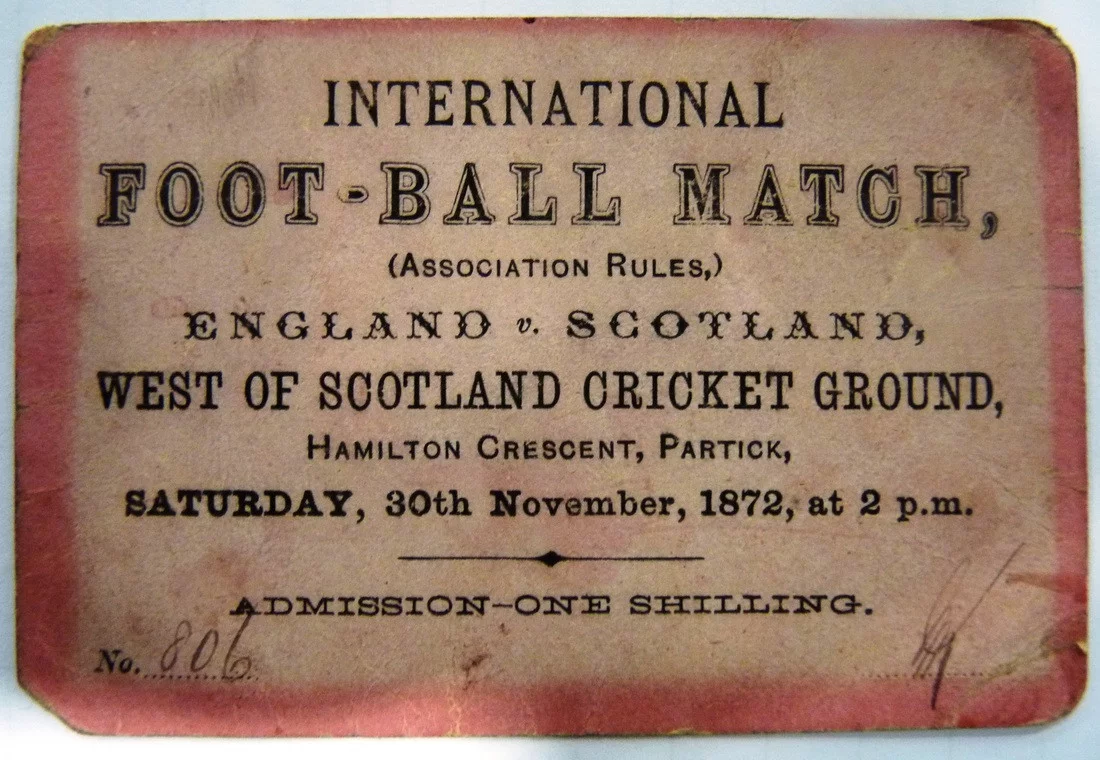
Football transcends borders and becomes a global phenomenon
As the years went by and football grew in popularity in England, the phenomenon soon began to expand and, even more rapidly, to cross the borders separating different countries, until it became the unifying force we all recognise today. In 1904, FIFA was founded and, with it, the first plans emerged to create an international tournament for national teams – what we now know as the FIFA World Cup. Football gained momentum and reached ever more distant and diverse places. Football associations began to be set up in every country wishing to play the sport, and the various continents began to form their own confederations: UEFA, CONMEBOL, CAF, CONCACAF, AFC and OFC. Alongside these, national leagues and national and international club competitions emerged, such as the Champions League and the Copa Libertadores… As a result, football began to evolve and reinvent itself at an ever-faster pace, in terms of its rules, the transfer market, media coverage of sporting events and, indeed, its process of professionalisation.
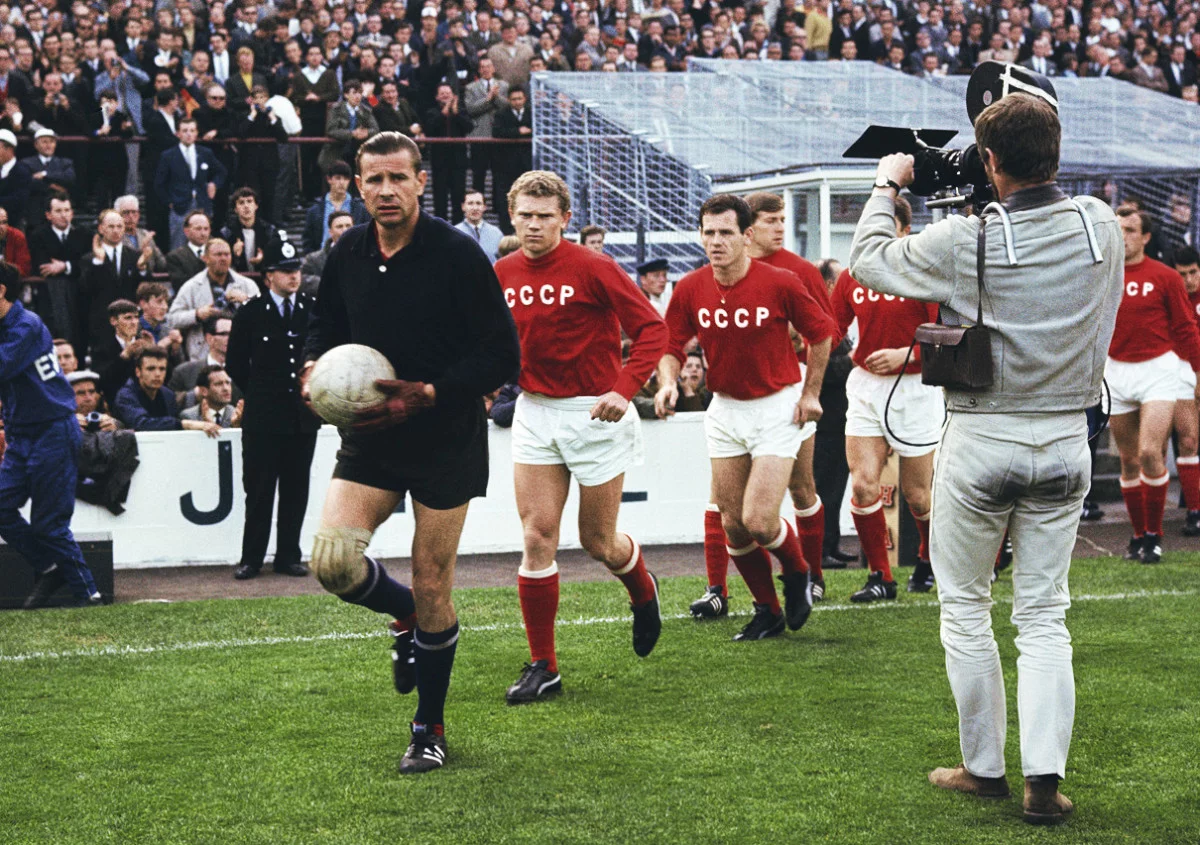
Football in Portugal
In Portugal, the first recorded match took place in January 1889. Organised by Guilherme Pinto Basto (some believe he was the first person to bring a football to Portugal), the match pitted a Portuguese team against an English team at a site where the “Praça de Touros do Campo Pequeno” now stands. In that match, the Portuguese team beat the English side 2–1 and, as a result, the sport began to attract the interest of Portuguese high society. Over time, major clubs such as SL Benfica, FC Porto, Sporting CP, Vitória de Guimarães, SC Braga and Os Belenenses were founded. However, the first Portuguese club to be officially founded was SC Vianense. As for the first international match played by a Portuguese club, that honour went to Clube Internacional de Foot-Ball, which travelled to Madrid in 1907 to face Madrid Football Club (now Real Madrid) and won 2–1.
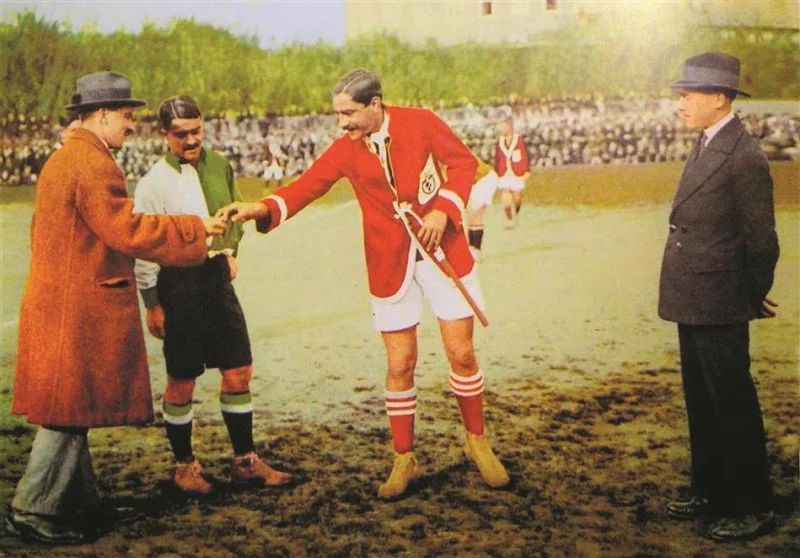
Consolidation and football today
Football as a professional sport enjoyed its golden age and, at the same time, experienced its greatest growth during the second half of the 20th century. With the establishment of prestigious international competitions such as the World Cup and the Champions League, it reached a level that had previously seemed unimaginable. Football as we know it today owes its existence to individuals and organisations who were the true driving forces behind the sport.
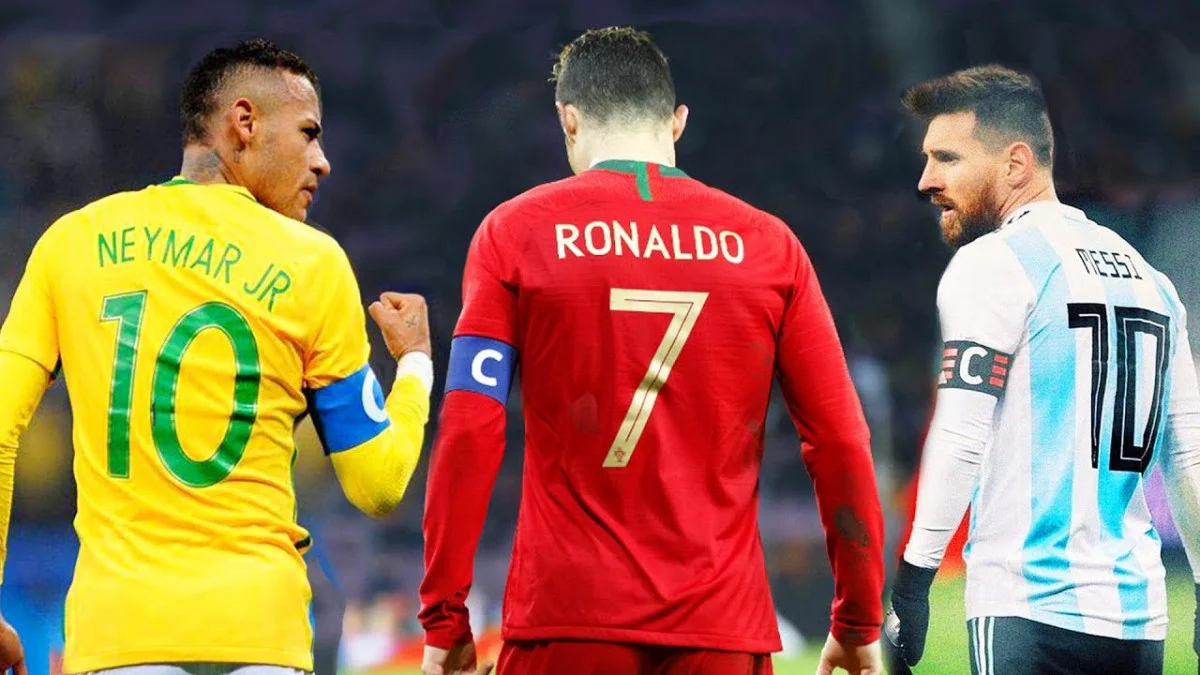
Nowadays, football is something many of us live for, and a way of life for many others. Football continues to grow, and we are now also seeing the professionalisation of women’s football begin to take hold – something that is more than deserved and for which countless players and figures in women’s sport have fought.

Nowadays, football is something many of us live for, and a way of life for many others. Football continues to grow, and we are now also seeing the professionalisation of women’s football begin to take hold – something that is more than deserved and for which countless players and figures in women’s sport have fought.