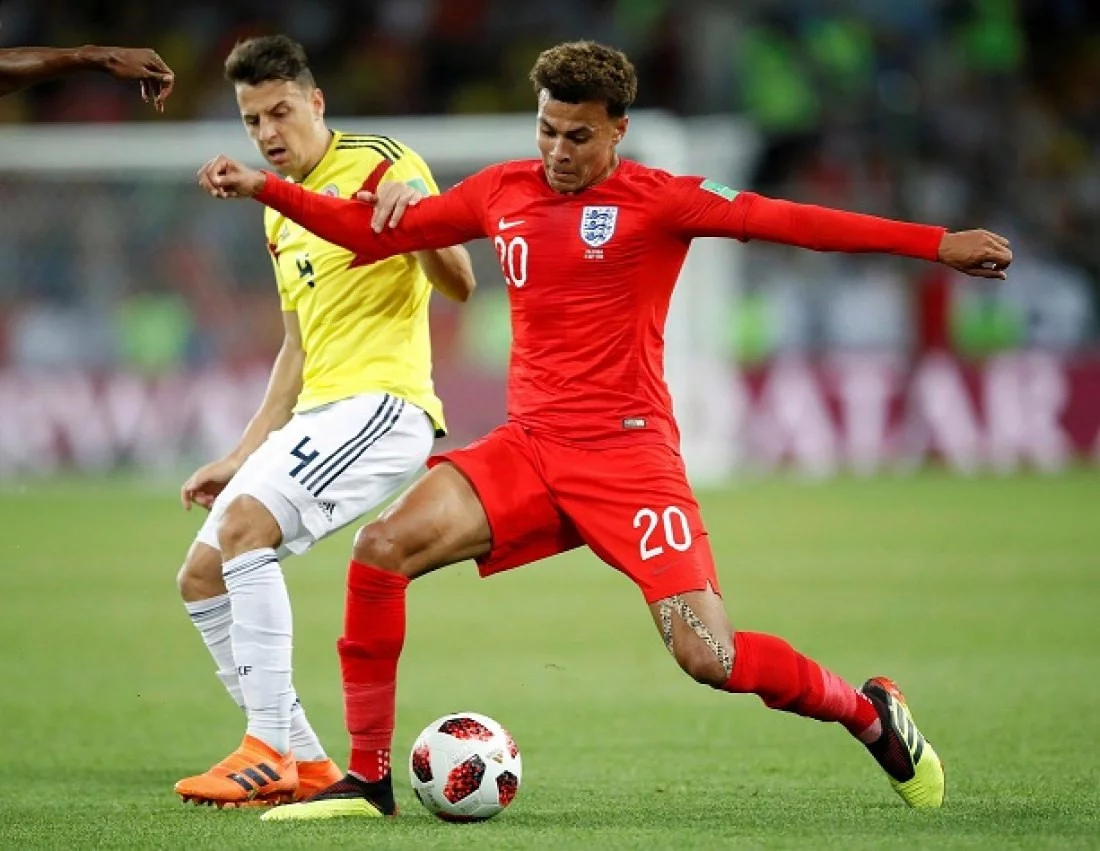
The first thing we want to make clear is that the real aim of this blog is to familiarise you with the most common types of functional bandages used in football and, above all, to explain their actual purpose. We also want to point out that, if you really do need a functional bandage or even advice on protective kit for football, such as shin guards, you should always consult a specialist, whether that be a doctor, a physiotherapist or another sports professional.
Functional football wrist supports
This type of bandage is perhaps the simplest and is particularly aimed at goalkeepers, mainly because of the extra protection they need in this area due to the new straps incorporated into goalkeeper gloves, as well as at players – both male and female – who may have suffered a wrist injury following a fall or a collision with an opponent. To apply this type of wrap, it is standard practice to use tighter-fitting elastic wristbands, as any doctor would recommend, although more conventional rolls of tape can also be used. In this case, it is up to you to decide the amount, thickness and pressure to apply to the wrap. At Fútbol Emotion, we recommend that, if you usually apply the bandage yourself and are going to use a conventional roll of tape, you first apply a layer of pre-tape to prevent the adhesive from causing discomfort when it comes into contact with the hair in this area.
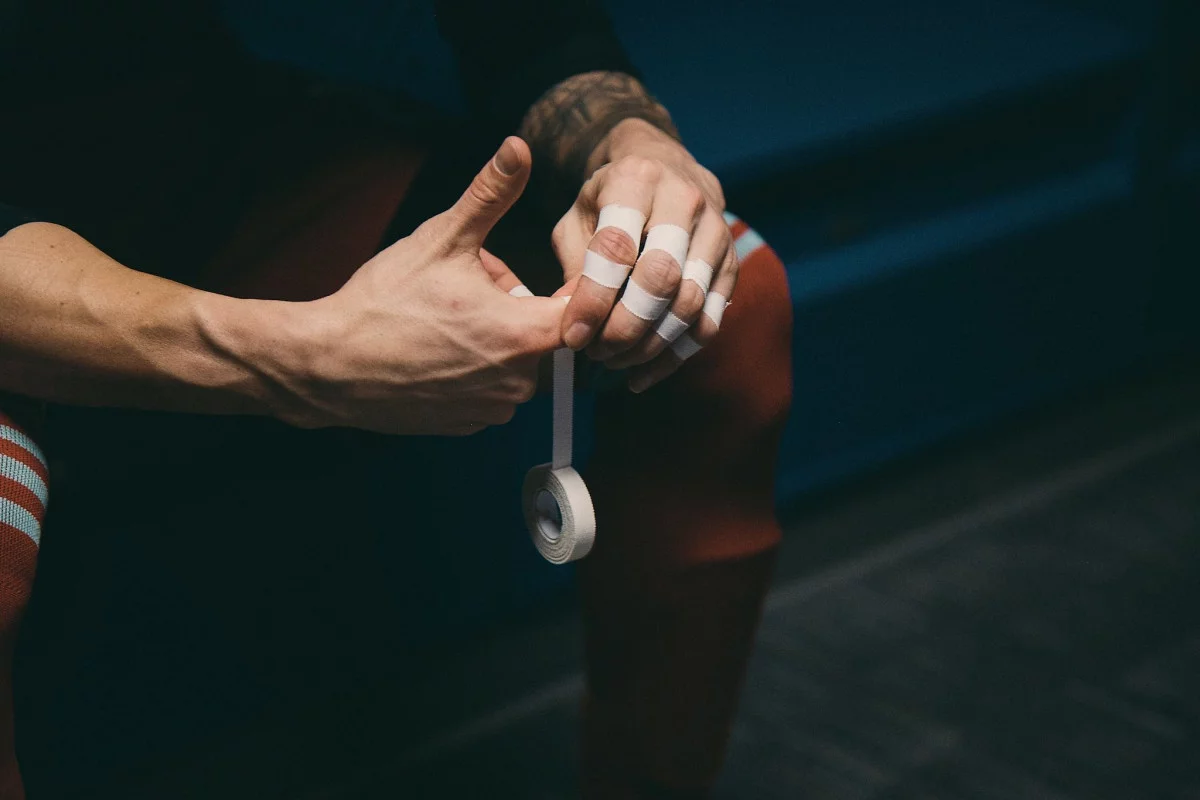
Once we have the right equipment, the best approach is to start by reinforcing the area of the wrist that we want to keep best protected and supported, thereby preventing movements that could aggravate any existing injury. In the case of goalkeepers, the aim is to prevent impacts from the ball from causing damage to any of the finger joints. To do this, we should apply the tape strips from the wrist up to the thumb area. This way, we’ll feel more secure in our hands thanks to the reinforcement of this area.
Functional finger bandages for goalkeepers
There are various types of bandages that can be applied to the fingers. However, we must always bear in mind which part of the finger we want to support, as securing a finger to limit its forward movement is not exactly the same as immobilising it to prevent it from moving backwards. Once we’re clear about what type of bandage or support we need depending on the area, we’ll have an endless range of options available to us, from lateral supports tailored to our joint to those that secure the finger to limit its movement, and even the typical bandages we see where the finger is completely wrapped to immobilise it entirely. You’ll have to choose the one that best suits you.
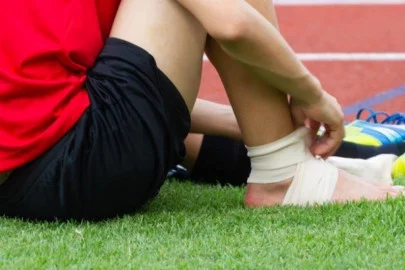
Functional ankle support for a footballer
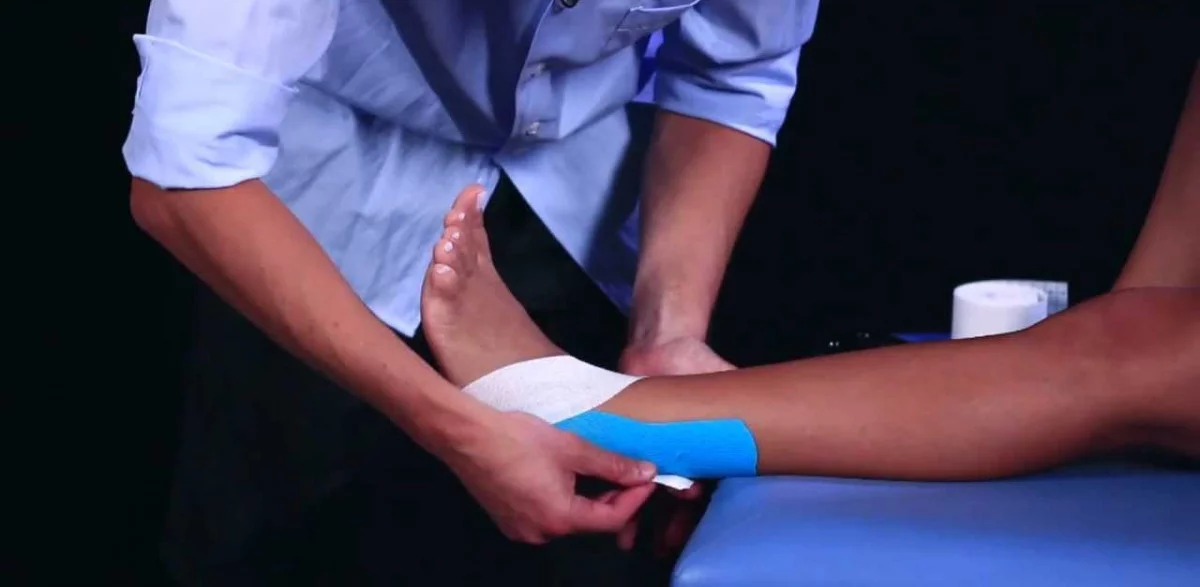
And let’s finish with the classic of classics in the world of football bandages – the one we’ve probably seen most often in a football changing room. The first thing you need to do is determine what sort of injury you’ve just sustained, as the method for applying this functional ankle bandage will depend on that. Another point to bear in mind is that this bandage is designed to completely restrict movement and thus prevent you from twisting your ankle again. However, it is not recommended to use this type of bandage frequently, unless it has been specifically recommended by a professional. The main function of this support is to stabilise the ankle area and keep the foot in a straight position to prevent any unnecessary movement or twisting.
These are the three most common types of functional bandages used in football, and also the ones we are most likely to need to use. However, as always, we recommend that they be applied by a professional. Even so, with the right advice, you can buy these products yourself on the Fútbol Emotion website.