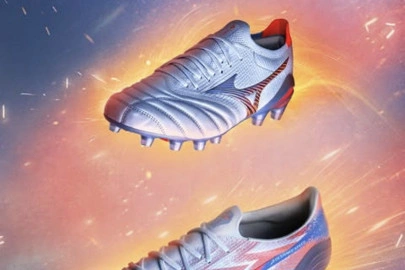
We’re always talking about football boots, and we try to cover the subject with as much passion as possible, with a clear aim: to ensure you’re fully informed when shopping at Fútbol Emotion. We’re immersed in a world of constant change – we always say this – because it’s absolutely mad what this entails, and not just when it comes to boots, but also goalkeeper gloves and even, very briefly, futsal boots. Below, we’ll outline the technologies that, for us, have marked a turning point, as they’ve been pioneers in many aspects on the pitch.
Best technical features in football boots
5- Aluminum studs
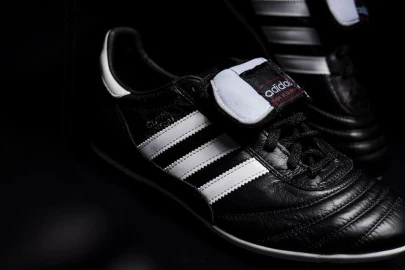
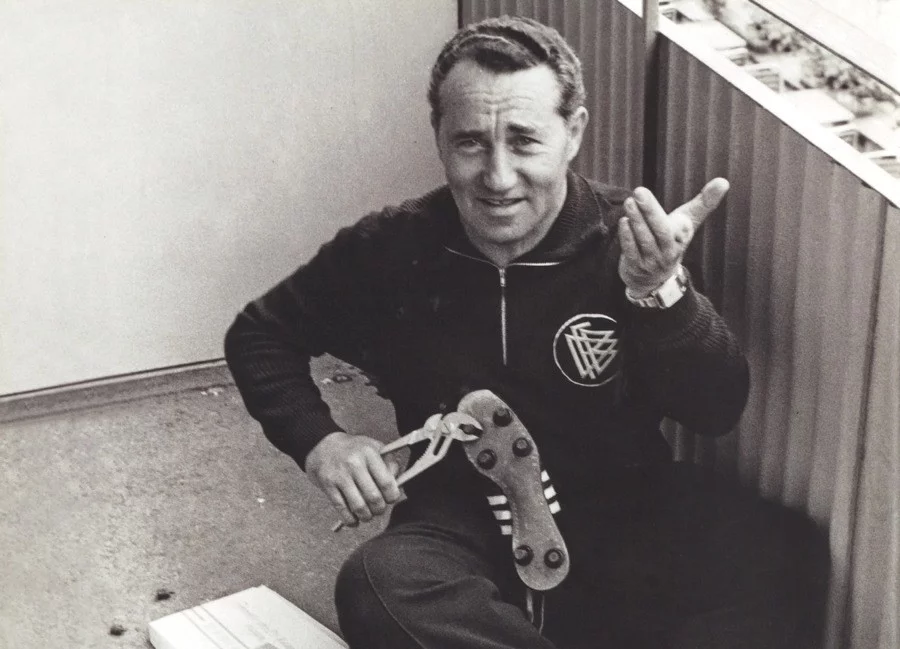
As with all football boot accessories, the aim is to provide greater comfort during our game or, as in this case, better adaptability to the pitch. We go back to the World Cup final between Hungary and West Germany. In what became known as the ‘Miracle of Bern’, the Germans defeated the favourites, Hungary, 3–2 and were crowned champions for the first time at the 1954 World Cup in Switzerland. Back then, the studs on football boots were made of wood, and a shrewd Adi Dassler, founder of adidas, came up with the idea of offering the players in the final the chance to swap those wooden studs for aluminium ones. In this instance, only the Germans agreed to the change, which suited them much better on the soft, wet pitch.
4- Predator element
To mark the World Cup in the United States, the German brand launched a new model of football boots. The main feature was the toe cap, which was covered in rubber to enhance striking power – and so the ‘Predator element’ was born. It became popular because two young footballers, David Beckham and Zinedine Zidane, chose to wear them in their matches. Thanks to this feature, combined with kangaroo leather and an optimal fit, these boots broke the mould of their time. The truth is that, in the history of the early Predator range, this first model was not entirely well-received – which is curious, given that today we can see exactly the same design philosophy in the adidas Predator 20+ football boot.

3- Synthetic football boots
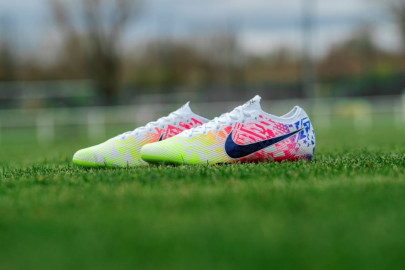
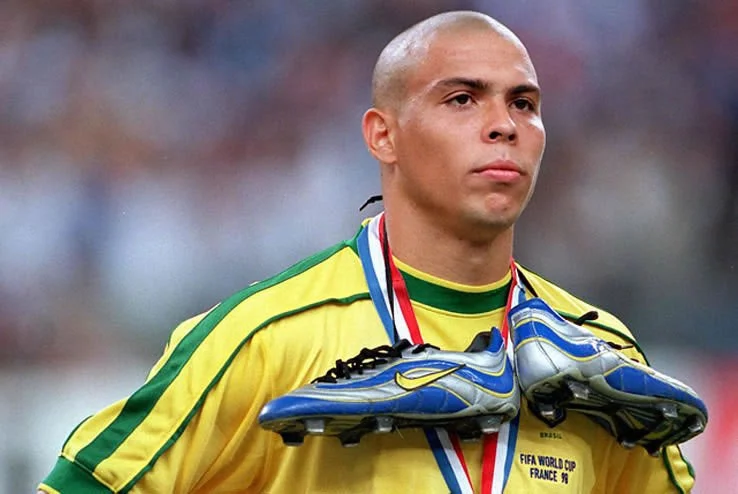
The age-old question: synthetic materials or natural leather for football boots? From the creation of the Nike Mercurial football boots, back at the 1998 World Cup in France, through to Nike’s Kanga Lite and HybridTouch, several things are clear in this niche: the boots require zero maintenance. Leather boots need to be looked after and treated so that they do not lose their elasticity and performance. They last longer. Synthetic materials take longer to peel away from the sole or wear down against the ground. What’s more, the colour stays just as vibrant as on the first day, and aesthetics are important now that boots are manufactured in a range of colours. The weight of the boot (especially when wet) is reduced by more than half… And that’s a very significant difference. The feel of the ball is the same or even better (thanks to the possibility of incorporating technology) than with natural leather. The only aspect they haven’t quite managed yet is the ability to mould to the shape of your foot in the same way that leather boots do.
2- Nike Magista / Knitted boots
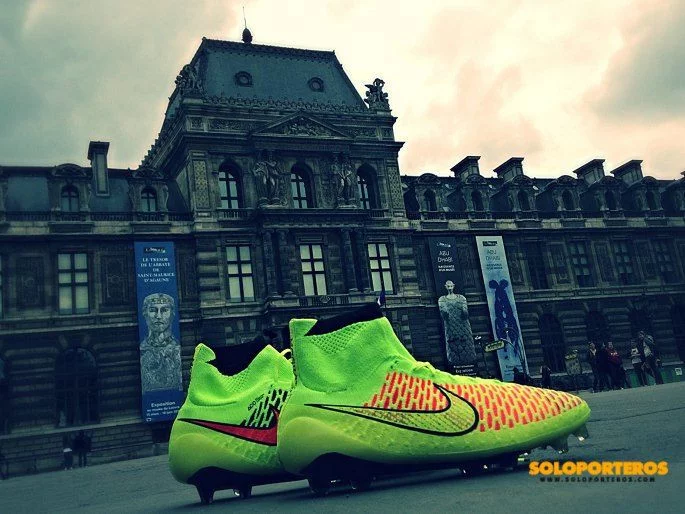
Although we’ve experienced many of these technologies, nothing compares to what happened with the Nike Magista – and, above all, with the creation of the yarn-based boots. It was 2014, and Nike unveiled a design that left more than a few of us speechless. Today, 50 per cent of the market features Flyknit technology, as seen in the Puma Future and adidas Nemeziz football boots; but the Magista was the pioneer. The Flyknit technology featured in the Magista offered unprecedented sensitivity, fit and control, creating the sensation of wearing a sock that acts as a second skin and allowing power and support to be directly integrated into the boot. The Magista also included an innovative high-cut Dynamic Fit collar for a tighter fit and greater awareness of the body’s movements and interaction with the surface and the ball.
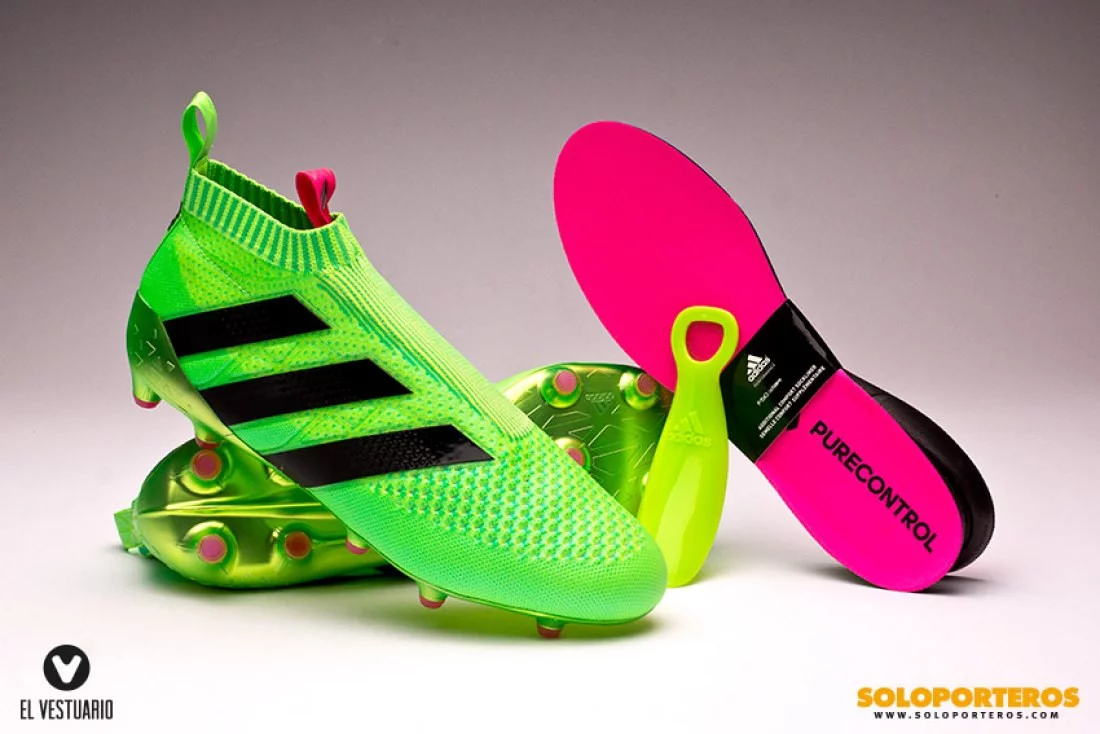
1-ACE 16+ Purecontrol / Laceless boots
Adidas football boots have pioneered many aspects of the game, as has been demonstrated, but, friends, what happened with the first Adidas laceless boot left us completely speechless. In 2015, some of the best players on the planet took the football world by storm when they revealed that, in 2016, they would be wearing laceless football boots. Mesut Özil, Ivan Rakitic and Oscar revealed a blurred-out prototype boot on Instagram as they began testing them during their own training sessions. Mesut Özil, who will also be one of the first to wear the ACE 16+ Purecontrol, commented on the boots: “Throughout my career, I’ve tried to minimise the impact of laces on my shooting and ball control. Back in 2014, I told adidas that, in the changing room, I tie my laces over and over again, and then tuck the ends away. That way, they don’t interfere with my touch. When they approached me last year with the laceless boots, it was as if they’d created my dream product. I can’t wait to wear them on the pitch.”