We live in an age where the range and variety of football boots is practically endless. When we buy a new pair of boots, we tend to think that a detail such as how we tie our laces usually takes a back seat. However, we couldn’t be more wrong. Puma, through its Puma Future boots, has shown that the fit of football boots is entirely personal and that an action as seemingly simple as lacing them up can even become an art form.

Classic lace-up football boots
With this type of boot, where the laces aren’t hidden – as is the case, for example, with the Nike Mercurial or the Nike Phantom Venom – the best option is to use a criss-cross lacing pattern. Usually, when we buy a new pair of boots, at least one of them already has this lacing pattern in place, so we simply need to replicate it on the other boot and we’ll be ready to take to the pitch. This is one of the most suitable lacing systems for football boots, as it allows the boot to wrap around the foot evenly and ensures the sides are properly secured, without the need to apply excessive tension to the laces, which could compromise their strength or the integrity of the boot.
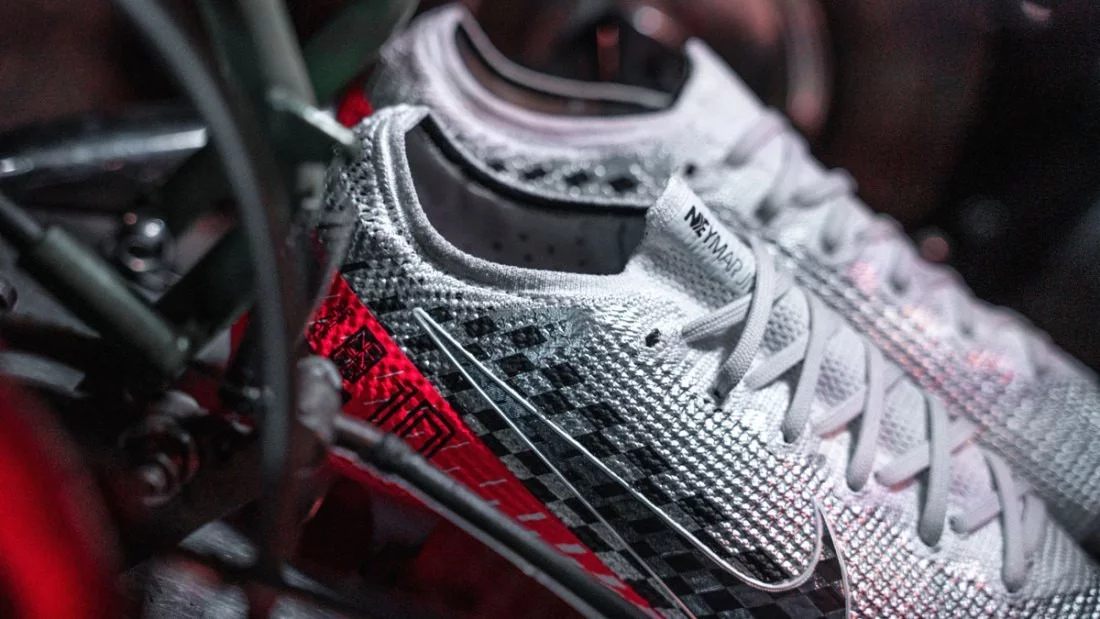
For those who prefer ‘old-school’ lacing
If you’re one of those more traditional players – the sort who still opt for boots like the old Copa Mundial or any other model with an internal tongue and a design similar to those adidas boots – it’s important to bear one thing in mind: check whether the internal tongue of your boots has any perforations in the centre. If so, you should thread the last section of the laces through there. By lacing them correctly, the laces themselves will help keep the tongue in place, preventing it from shifting during the match and becoming uncomfortable.
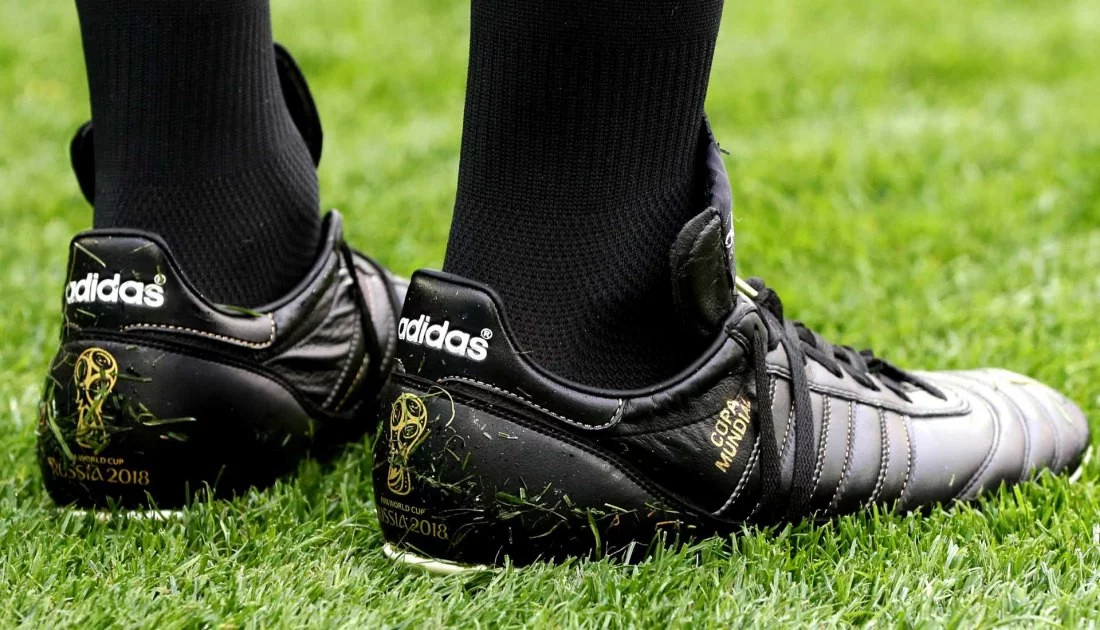
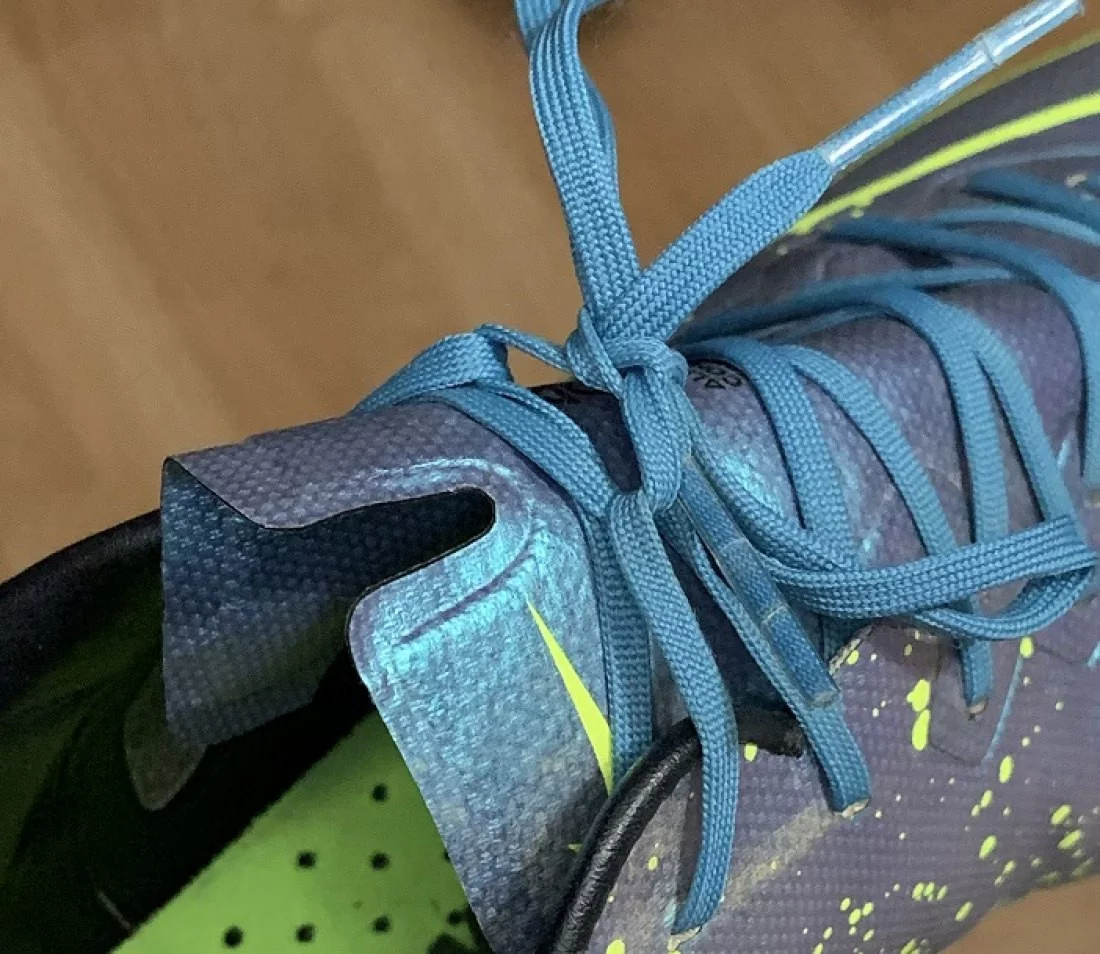
If, for example, you have a pair of boots that are a bit too loose, there’s another trick you can use to tighten the boot shell and the inner tongue. Instead of threading the laces through the last eyelet, you can thread them back through the same side, creating a sort of wider eyelet, as shown in the image below.
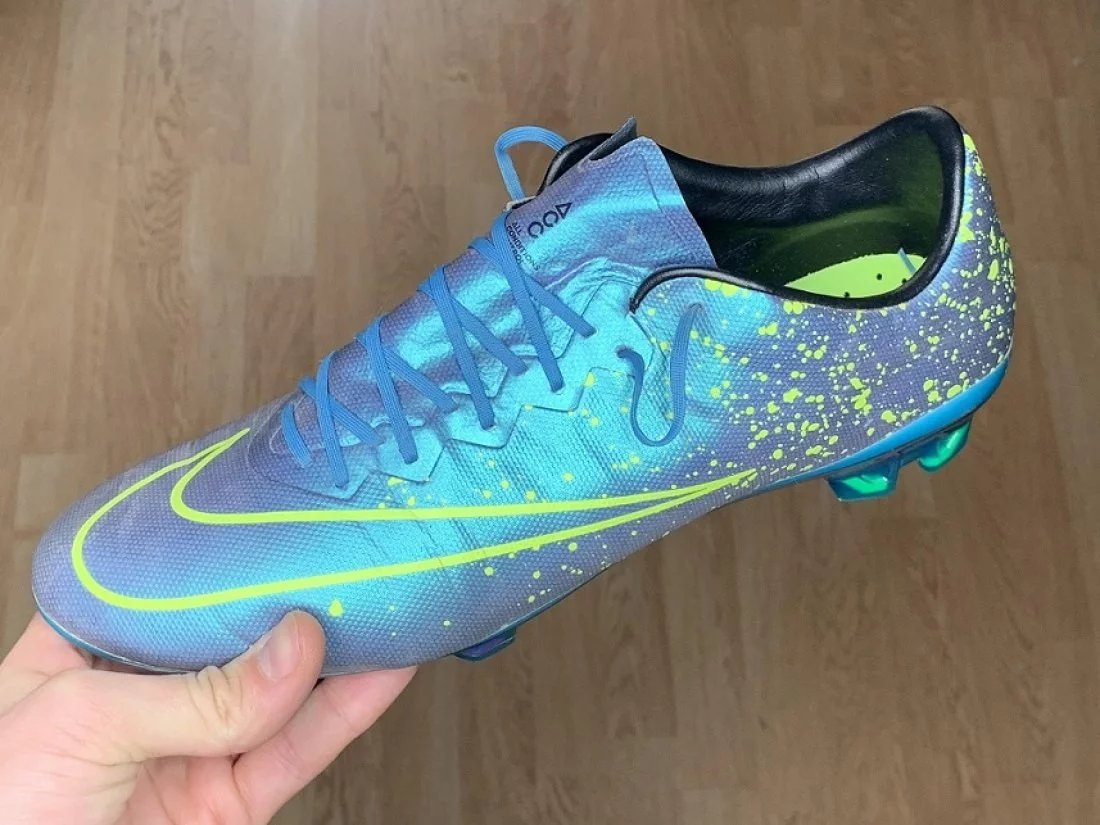
This will create a gap through which we can thread the laces and adjust the boot shell even more effectively.
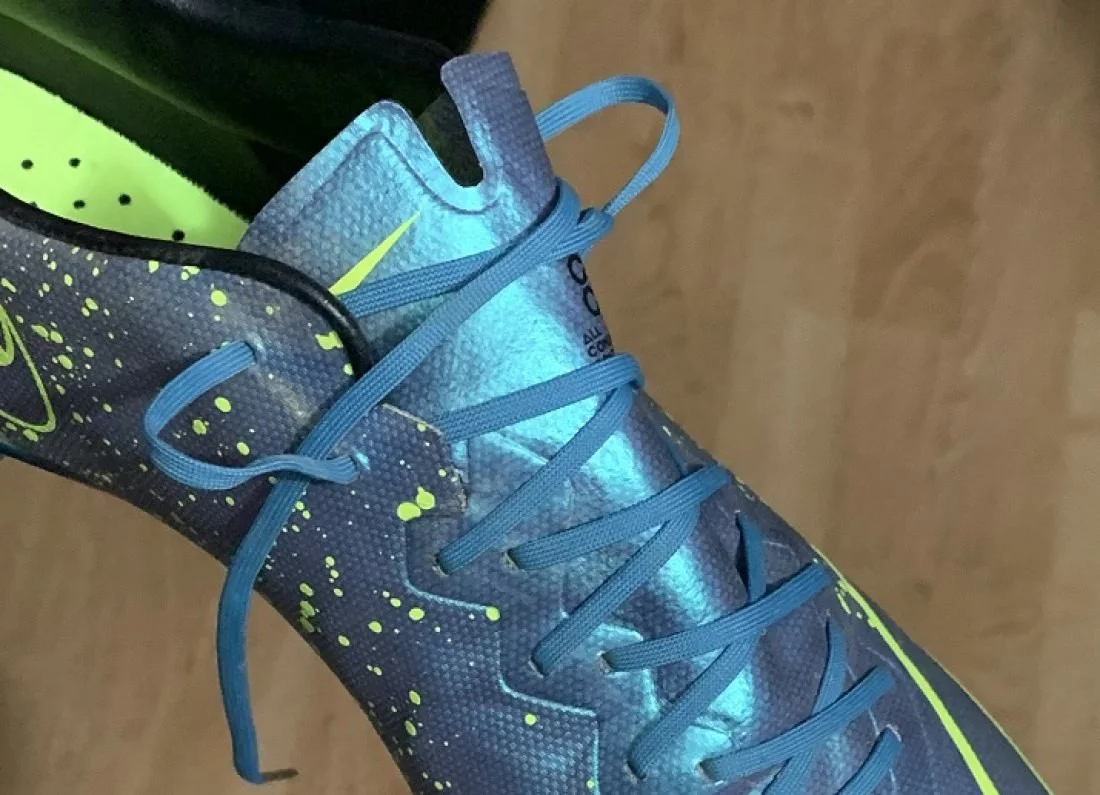
And so we’ll finally have our lacing complete, finished off with this knot, which will ensure the boot fits our foot much better.
To finish off, we’d like to remind you that football boots aren’t trainers and that, therefore, you should lace them up properly to ensure they fit as snugly as possible around your feet. The criss-cross lacing method is the most recommended option, but if you’re the sort who enjoys trying something new, the Puma Future is your best bet, as it’s one of the ranges that offers the most scope for experimenting with different lacing styles.

Last but not least, if laces aren’t your thing, you can join the ranks of those who love laceless boots. More and more players are opting for this type of boot, especially when the shape of their foot suits this design well. Within the adidas range, you’ll find various silos and ranges of laceless boots, such as the Nemeziz 19+, Copa 20+, X19+ and Predator 19+.