IS IT REALLY A GOOD IDEA TO WEAR FG BOOTS ON ARTIFICIAL TURF?
Today we’re going to look at an issue which, despite our many attempts to resolve it, remains very much a topic of discussion. So, let’s settle this once and for all: are FG football boots really suitable for playing on artificial turf?
15 January 2020
- Written by David del Río
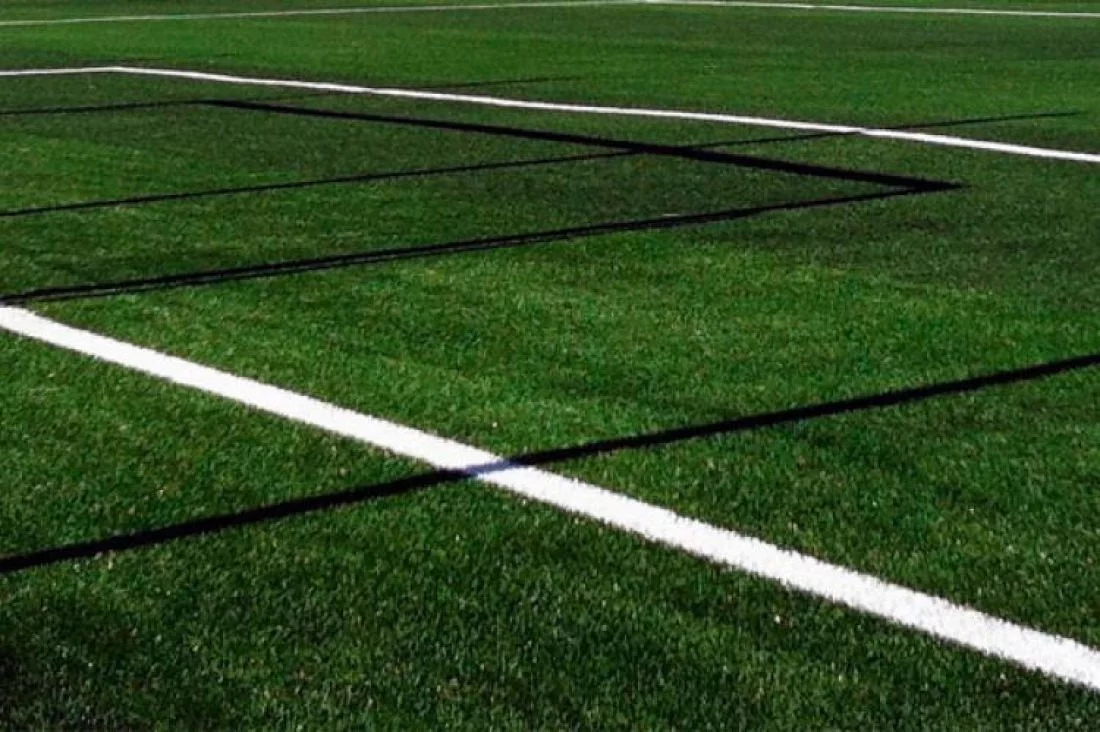
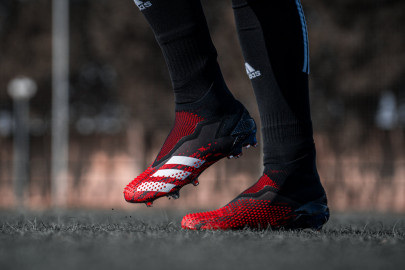
First and foremost, and with a particular focus on those who are new to the sport, we want to clarify what an FG football boot is. The abbreviation FG stands for ‘Firm Ground’. When we apply this concept to football boots, we are referring to those designed for playing on firm, dry natural grass. For softer surfaces, for example, when the grass is wet or there is mud, we should use a different type of boot: SG (Soft Ground) football boots. And for playing on artificial turf or carpet, we have AG (Artificial Ground) football boots, a technology that the leading brands have been developing for years specifically for this type of surface.
Adaptability
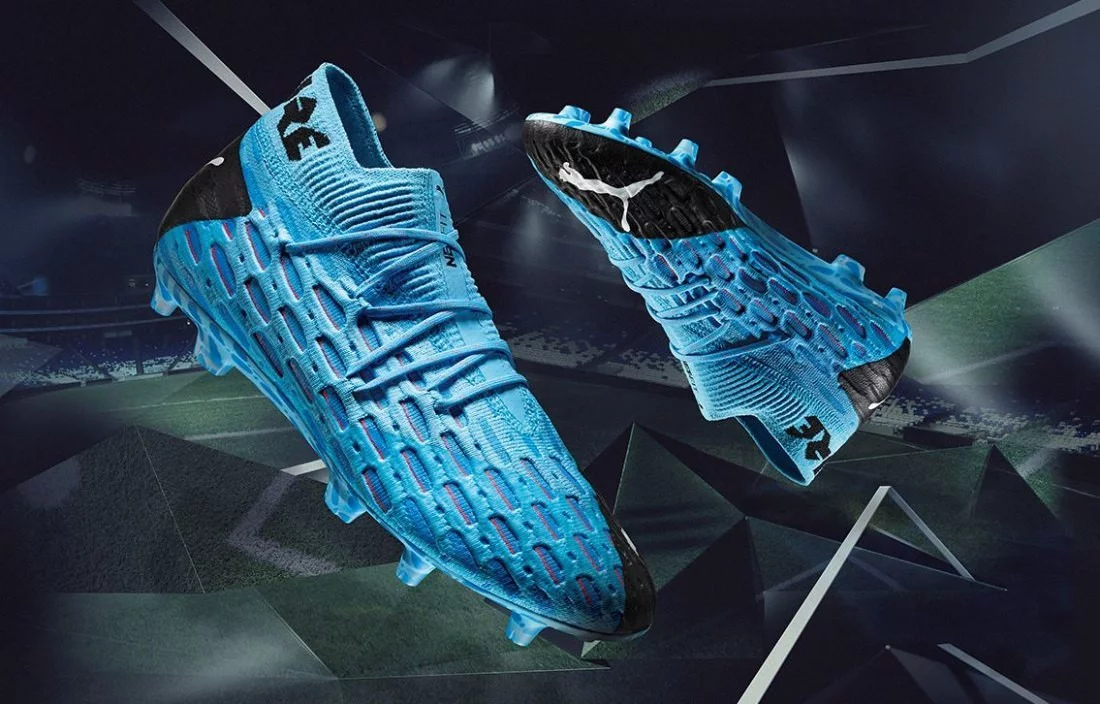
Let’s focus on how the different soles of football boots adapt to the various types of terrain we might encounter. One of the main recommendations we can give you right from the start is not to use FG boots on artificial turf. On this type of surface, it is far better to opt for one of the many AG boot ranges currently available, as they are specifically designed to deliver optimal performance on artificial turf. However, if you regularly have to play on different surfaces, such as natural grass and artificial turf, there are also plenty of boots available that combine FG and AG studs. These boots are designed to adapt to both types of terrain, allowing you to use them on both natural and artificial grass. Among the various ranges available with this type of stud, one of our top recommendations is the Puma Future 5.1 Flash.
Grip
As well as adapting to the surface, another key aspect to bear in mind is the traction provided by the sole. An FG boot offers much more traction and penetrates the ground more deeply than an AG football boot. On a natural grass pitch, the force we exert with our foot is distributed across the entire ground, both on the surface of the grass and in the soil beneath it. However, this does not happen in the same way on an artificial turf pitch, where there is no layer of soil beneath the surface. As a result, some of that force may be concentrated on different joints in our body, which could cause minor discomfort or, in certain circumstances, increase the risk of injury. Precisely because artificial turf pitches are much stiffer, at Fútbol Emotion we recommend wearing suitable footwear that allows for more controlled traction and a less aggressive foot strike. This does not mean we will lose grip, but rather that we will achieve a more appropriate interaction with the surface and significantly reduce the risk of discomfort or injury.
Conclusions
Focusing solely on these two aspects, we can state quite clearly that we should not play football on artificial turf in FG boots. That would be the short answer. Why? Because artificial turf pitches have evolved considerably, and there are now state-of-the-art (4G)surfaces where both the feel underfoot and the grip are practically identical to those of a natural grass pitch. In such cases, FG boots may well be perfectly suitable. However, these pitches are still very rare. What we come across much more frequently are 3G artificial turf pitches, which we often mistake for state-of-the-art surfaces. On this type of surface, our boots can wear out much more quickly and, furthermore, we are at greater risk of sustaining an injury.
At its core, football is nothing more than 22 people, one white ball and 44 pairs of black football boots, and that is precisely what we’re here to talk about today: some of the black boots currently available which, to a greater or lesser extent, connect us with the purest essence of the sport.
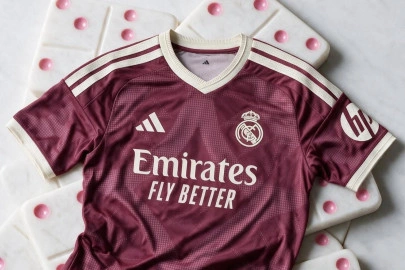
Pink is back for Real Madrid’s third kit, and this time they’ve given it that distinctive touch that all the fans love so much. Let’s take a closer look.