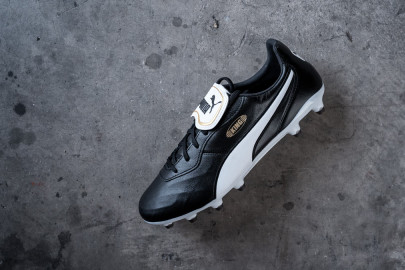
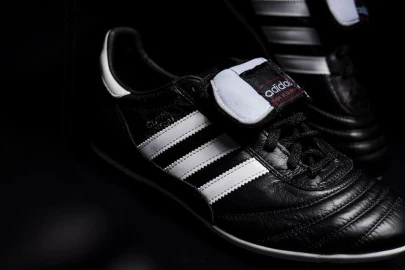
For decades now, we have seen clubs all over the world gradually installing artificial turf on their main pitches, and we have even seen it used in the top flight in the Nordic countries. This trend is driven by the difficulty of maintaining a natural grass pitch in optimal condition, particularly during cold spells or when the pitch is subject to heavy use – something that often happens at local clubs where all age groups share the same pitch.
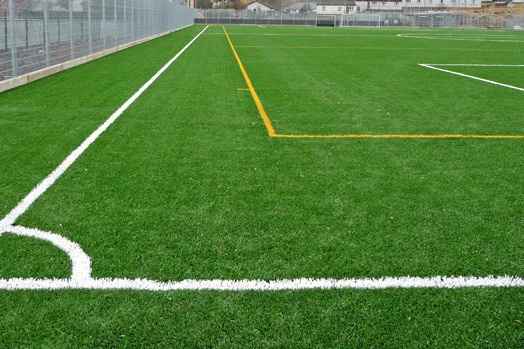
Why is artificial grass used?
Nowadays, artificial grass is made up of plastic fibres, rubber and a synthetic base. We have already discussed how the rubber used in artificial turf, together with these synthetic elements, effectively replicates the conditions of a natural grass playing surface. These third- or fourth-generation artificial turf pitches are truly fantastic and a far cry from those early generations or ‘carpets’, which, quite frankly, were rather poor.
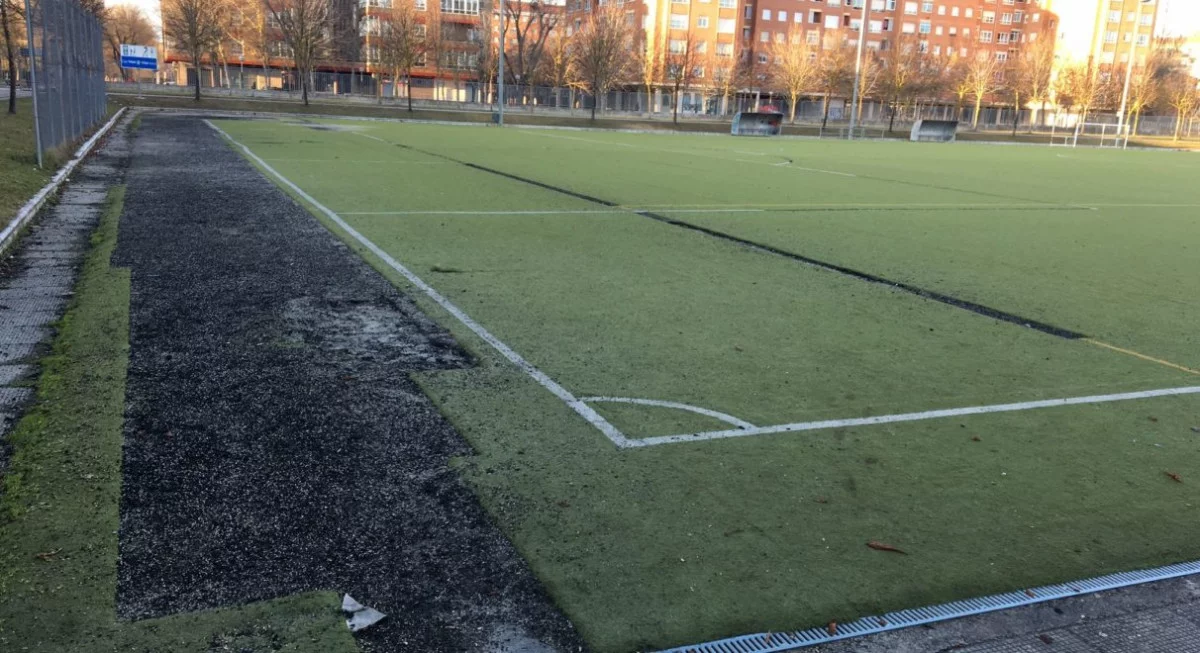
The fact is that, first and foremost, we must emphasise that a natural grass pitch can only be used for around two hours a day; if used for longer, the grass will gradually die off and, after a certain amount of time, we’ll be left with a patch of mud. So the truth is that, for clubs with many teams or age groups, an artificial turf pitch is a very good alternative, and it will even withstand inclement weather better.
What's the problem then?
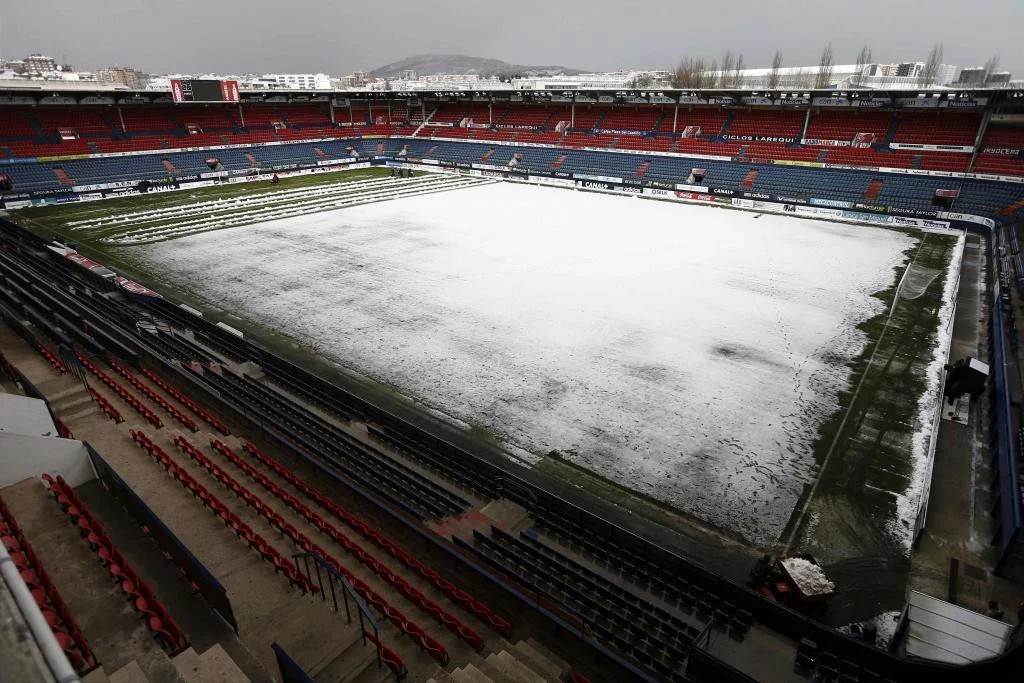
The problems arise because, despite technological advances, we still find that it is not possible to replicate exactly the sensations we footballers experience on a natural grass pitch. Not only does the ball bounce differently, but the thickness and density of the fibres are not the same either, and so we do not feel the same on one pitch as we do on another.
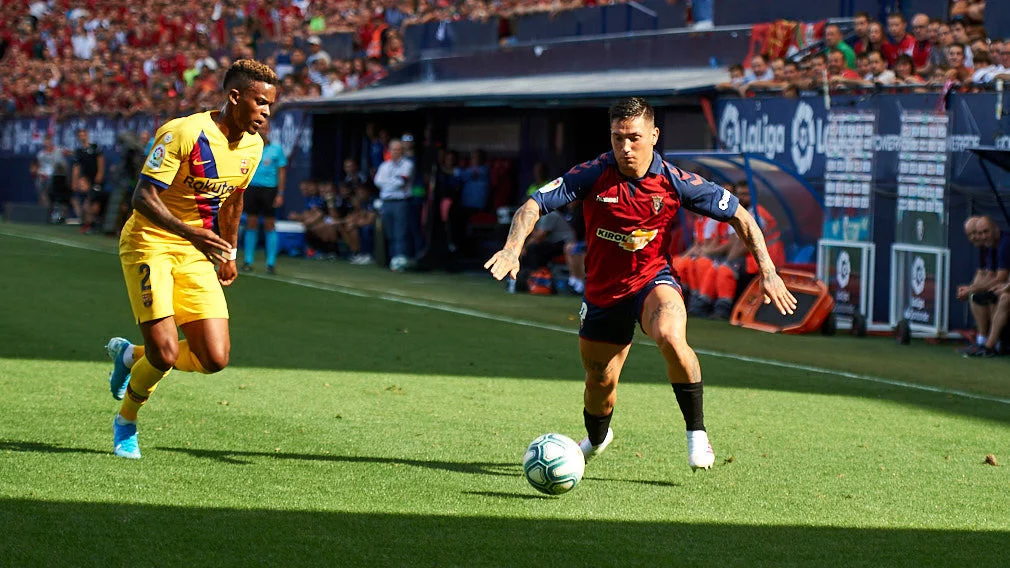
Although we have all adapted to artificial turf – as evidenced by the fact that we have exclusive models of football boots designed for artificial turf – natural grass is better, as, in addition to everything mentioned, it allows the foot to move as it sinks into the ground in a way that is difficult to replicate on artificial turf, and this is also ‘noticeable’ when running or moving around the pitch. Of course, on natural grass there are none of the scorch marks seen on artificial turf, and landings after jumps provide greater cushioning if the pitch is in perfect condition.
Conclusion
In conclusion, artificial turf is a great asset to modern football, and it continues to drive the evolution of football pitches, which, alongside sports equipment, is one of the greatest advances in our sport. This artificial turf enables smaller clubs to maintain a pitch in good condition for much longer, and in the case of the Nordic countries, it prevents snow or extreme cold from causing matches to be cancelled due to the condition of the playing surface. However, personally, we still believe that natural grass remains the perfect playing surface for football, as evidenced by the fact that the best Premier League pitches are still covered in natural grass. So, friends, in our opinion, all-purpose football boots, the mud, and that smell of freshly cut grass are still, at least for now, a cut above the rest.