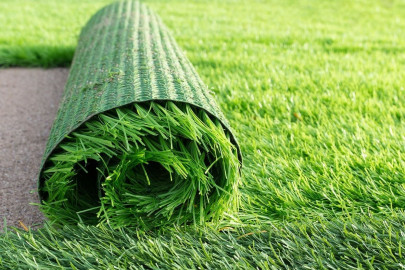
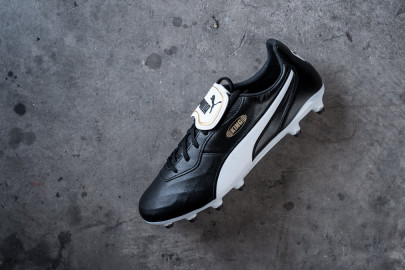
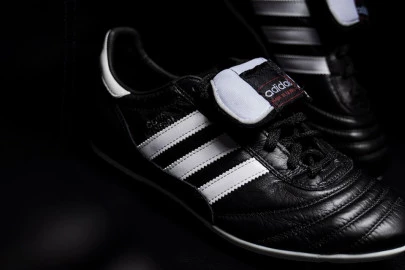
For some time now, we have been seeing numerous clubs around the world, both professional and amateur, installing artificial turf on their main pitches. In fact, artificial turf surfaces can now be found in top-flight stadiums, particularly in the Nordic countries and Russia, and even at the home ground of Atlanta United, a Major League Soccer team. This trend is largely a response to the difficulties many clubs face in keeping natural grass in optimal condition, particularly during the colder months. That said, if you train or play on an artificial pitch, it is essential to wear the right footwear: football boots with AG or AG-Pro studs.
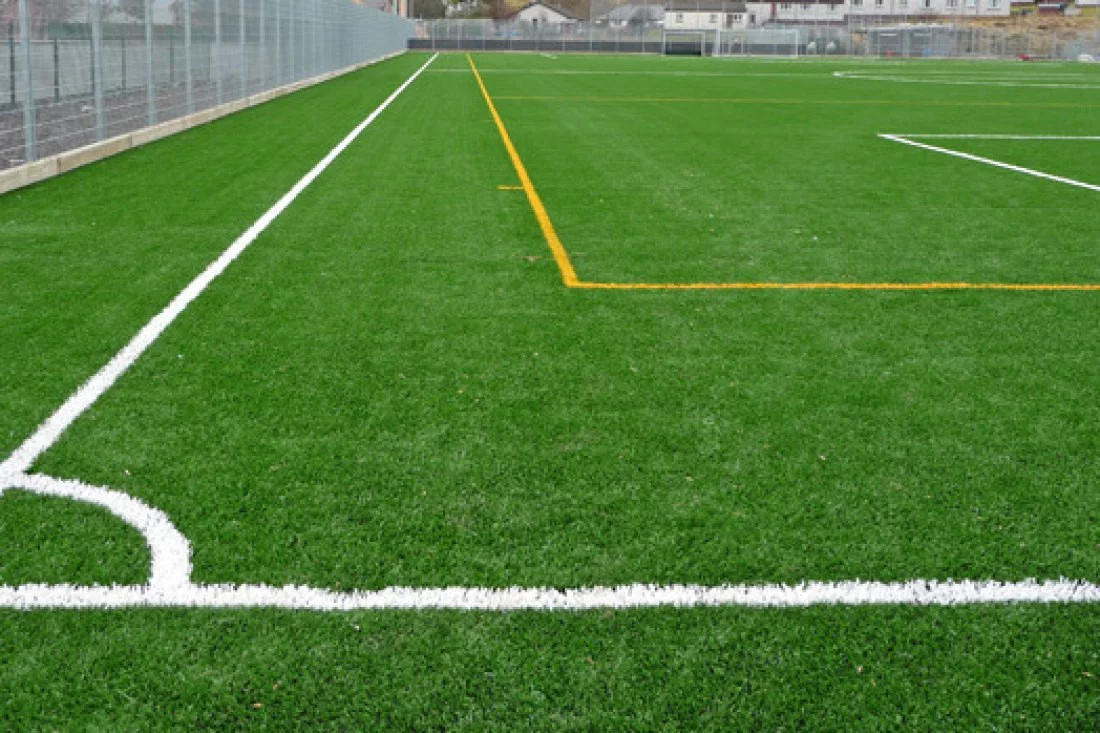
Why is artificial grass used?
Currently, the most common artificial turf pitches are third-generation (3G) pitches, which combine synthetic fibres, rubber infill and a base designed to provide playing conditions similar to those of natural grass. There has been a huge evolution: third- and fourth-generation pitches have improved considerably compared with first-generation surfaces, known as ‘carpet’, which offered much more limited playing conditions.
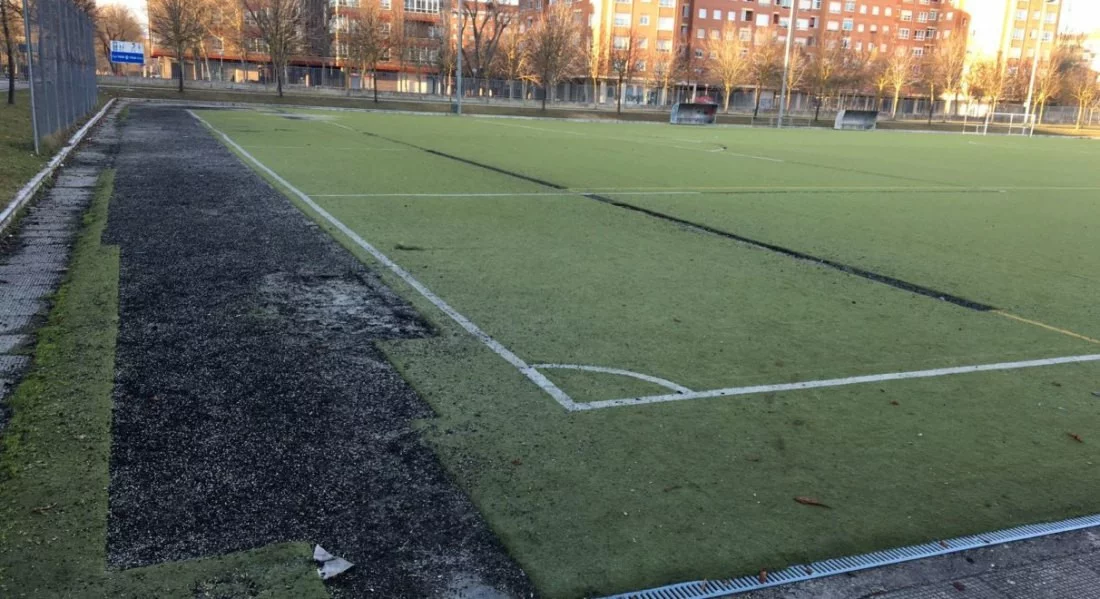
Generally speaking, a natural grass pitch can withstand intensive use for around two or three hours a day. If this time is regularly exceeded, the pitch begins to suffer: the grass gradually deteriorates and the pitch can end up becoming uneven, with patches of bare earth and very poor playing conditions. For this reason, artificial turf is a very attractive alternative for many clubs and sports teams. As well as allowing for much more intensive use, it offers greater resistance to wear and tear and generally withstands inclement weather better. All of this makes it a particularly practical solution for facilities that need to be available for many hours a day.
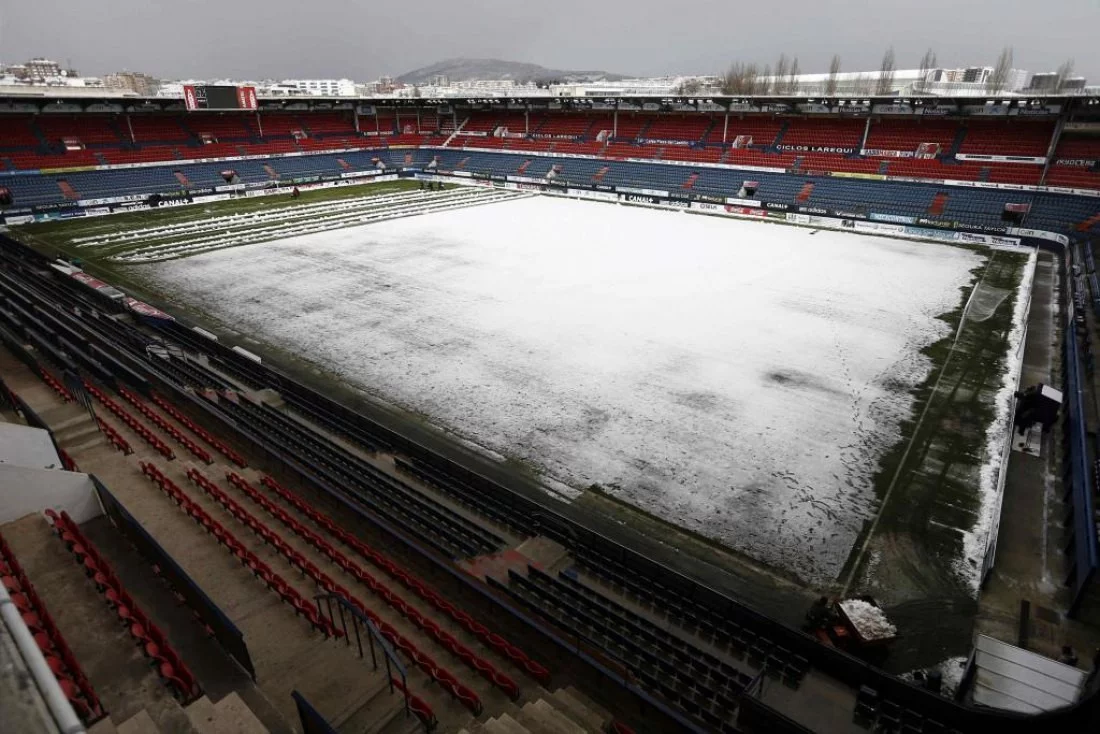
The drawbacks become apparent when we analyse all these aspects in greater detail. Despite technological advances, it has not yet been possible to replicate exactly the sensations experienced by footballers when playing on natural grass. It is not just about the feel of the ball or how it bounces, but also about the differences in the density and height of the grass, as well as the sensations of comfort, grip and stability we experience on the pitch.
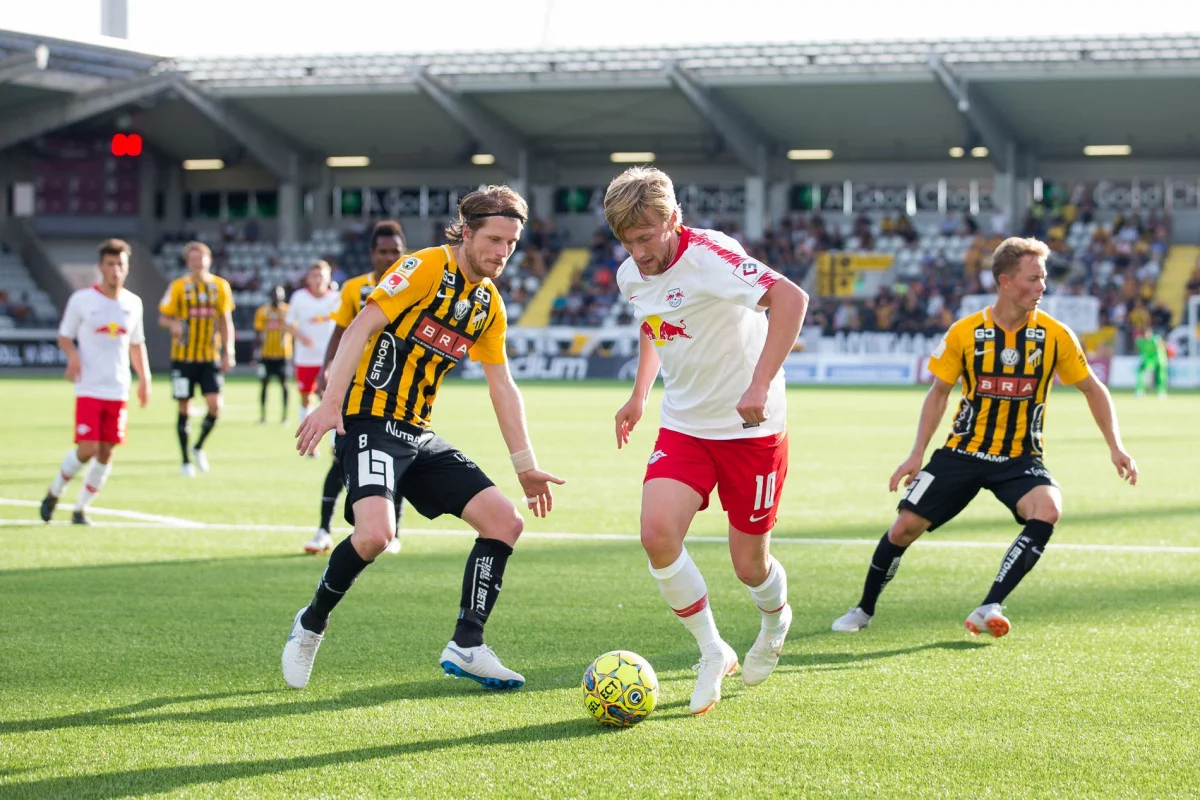
In short, artificial turf has become a great asset to modern football and continues to evolve to improve playing conditions on numerous pitches. It enables many clubs with fewer resources to have a pitch in good condition for longer. Furthermore, in northern European countries, where snow and low temperatures can make playing football difficult, these surfaces help to minimise the problems caused by the weather. However, natural grass remains, without a doubt, the benchmark surface for enjoying football at its very best. We need only look at the world’s great stadiums, where some of the best matches on the planet are played every week. That said, if you regularly play on artificial turf, remember not to wear football boots with FG studs, which are designed for firm natural grass. It is best to opt for boots with AG studs, specifically designed for this type of surface.