On many occasions – and those of you who regularly check out the posts we put up here on Fútbol Emotion’s Changing Room will know – we tend to reflect on and explore certain ideas. Whilst we love all the work the brands bring us, this constant competition between them really makes us think. A few years ago, in the post ‘Boot remakes I’d love to own’, we began with a line from singer Makako’s famous song ‘Moving’: ‘Returning to the source isn’t going backwards; perhaps it’s a step towards knowledge.’
My aim here was simply to get us thinking about an idea. Don’t you think the current market is oversaturated with limited editions and special packs? My answer was quick and to the point: YES, we do. That’s not to say we don’t get excited about every new release, but we found myself thinking about how brands used to prioritise durability in their football boots—or even their footballs—back in the day. Nowadays, you can take it for granted that nothing iconic will exist, because neither time, nor images, nor even the brands allow anything to stick in our minds. That’s why today we’re going back to the past. If you grew up in the 90s, you’ll understand what we mean.
Top 10 most iconic footballs of the 90s
Let’s take a trip down memory lane – this is sure to bring back memories of old times with friends at school, in your local square, and those presents you used to ask the Three Kings for… Which of these footballs did you ever get your hands on?
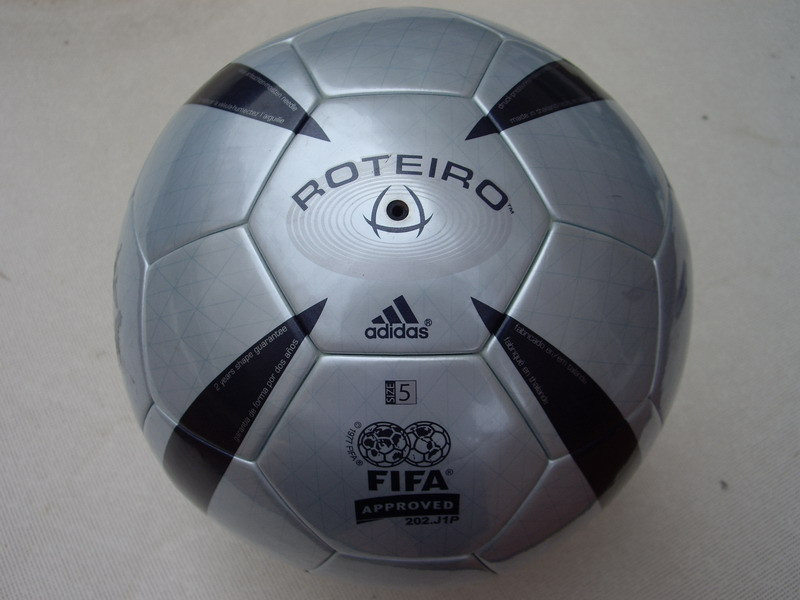
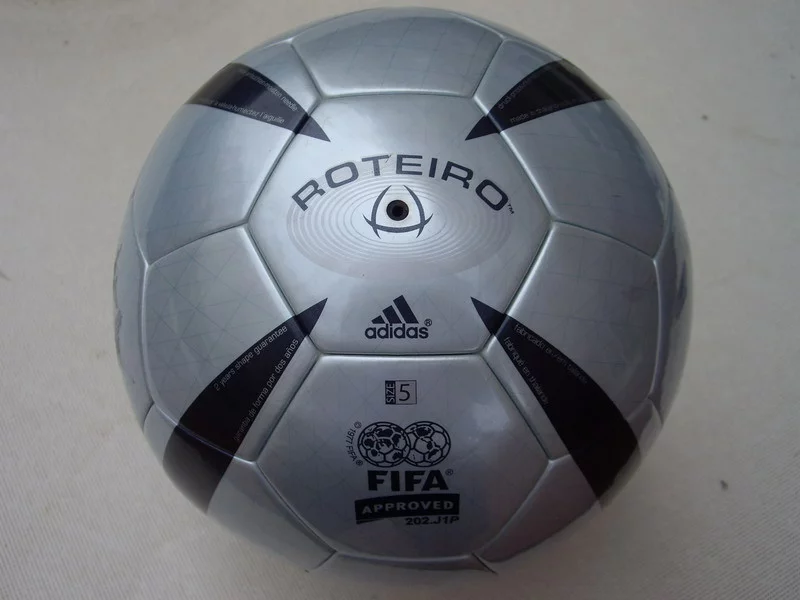
adidas Roteiro
The ball used for Euro 2004 in Portugal. The Portuguese word ‘Roteiro’ means ‘road map’ or ‘navigation chart’ and refers to the discoveries made by Portuguese explorers, particularly Vasco da Gama, in the 15th and 16th centuries. For the first time in a major tournament, all match balls were marked with the names of the teams, the date, the stadium and the coordinates of the centre circle. With a groundbreaking design and the brand’s latest technologies in terms of materials, panel bonding and durability, “the silver ball remained etched in our memory”.
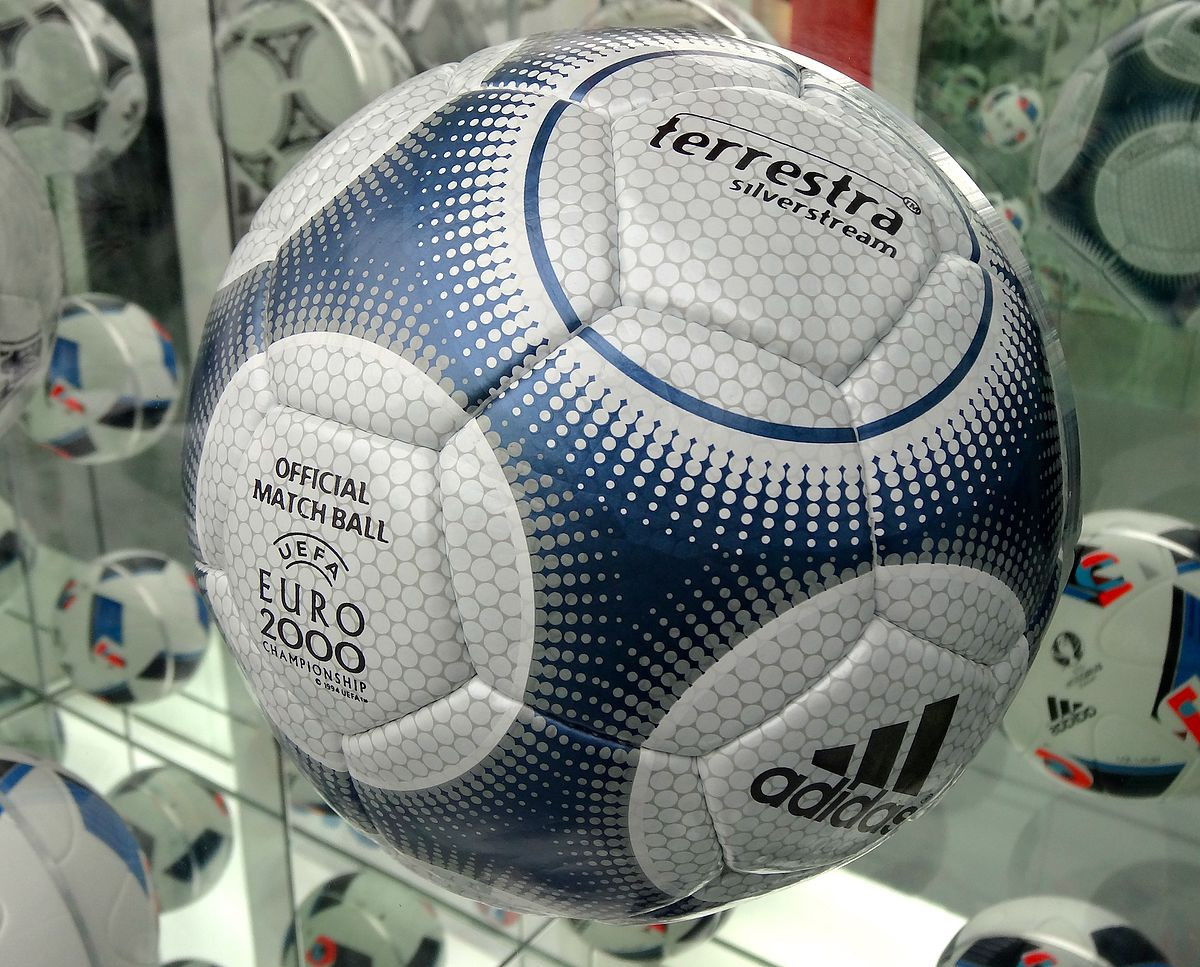
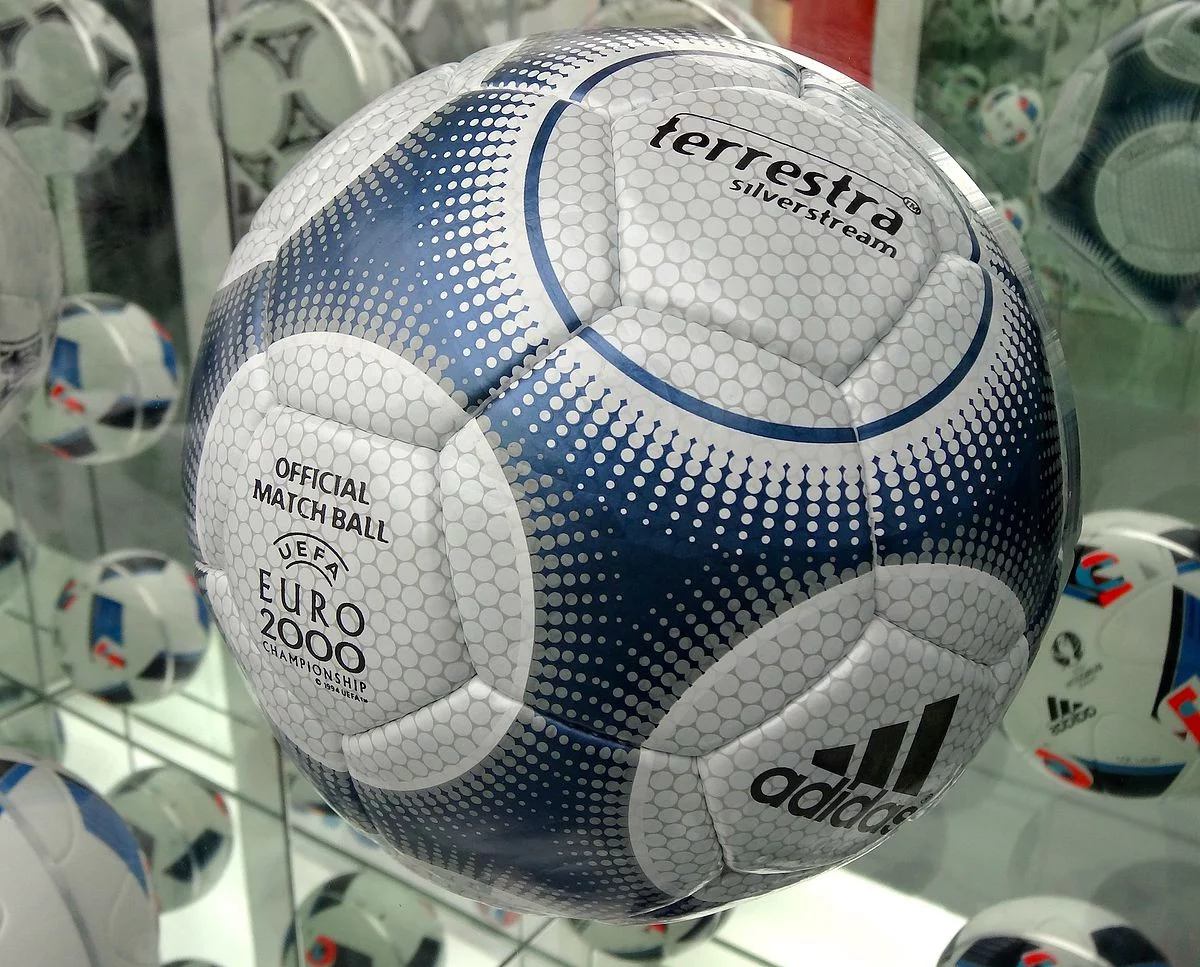
adidas Terrestra
Four years earlier, for Euro 2000, Europe’s premier football tournament came to the Netherlands and Belgium, where the adidas Terrestra was used. It marked a technological breakthrough for adidas, featuring a new outer layer that made the ball softer to the touch, easier to control and more accurate.
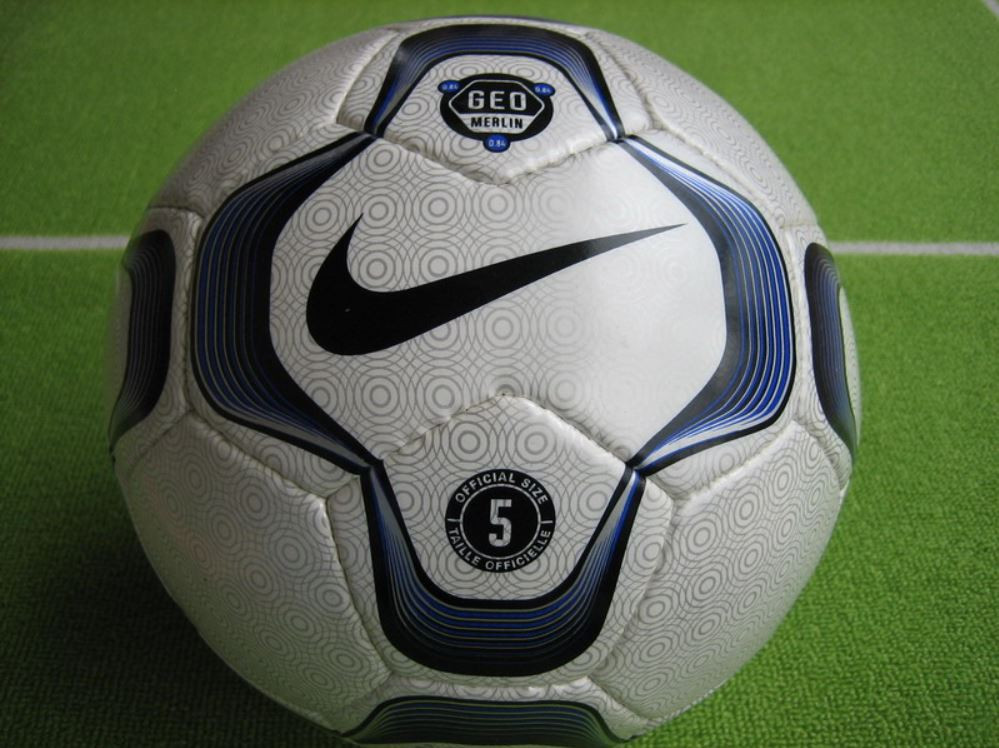
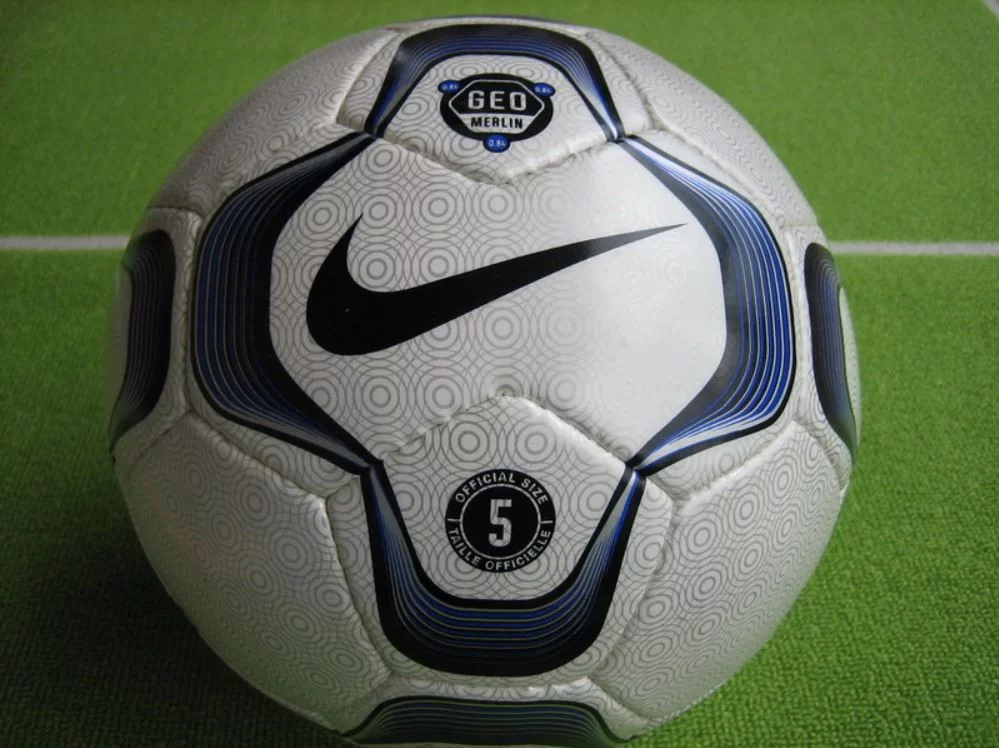
Nike Geo Merlin
Ahead of the 2000–2001 season, the American brand launched one of the finest footballs in living memory and named it ‘Merlin’. Nike was looking to radically overhaul the design of its footballs. The classic style was a thing of the past. The ‘anything goes’ era had begun. That season saw the launch of the Geo Merlin, a design that would last for three seasons. Blue took centre stage, and the circular lines and silver motifs came together to create a ball that broke with the look of previous years.
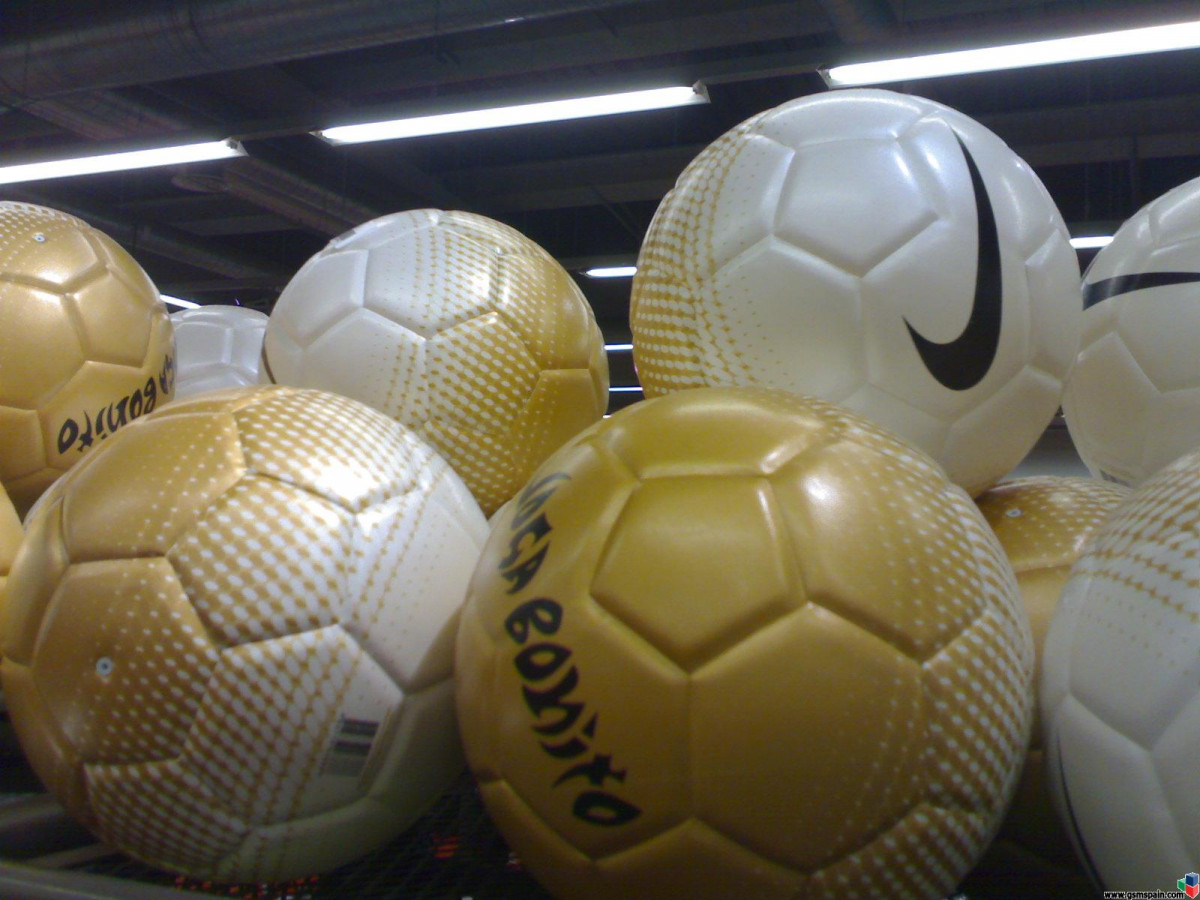
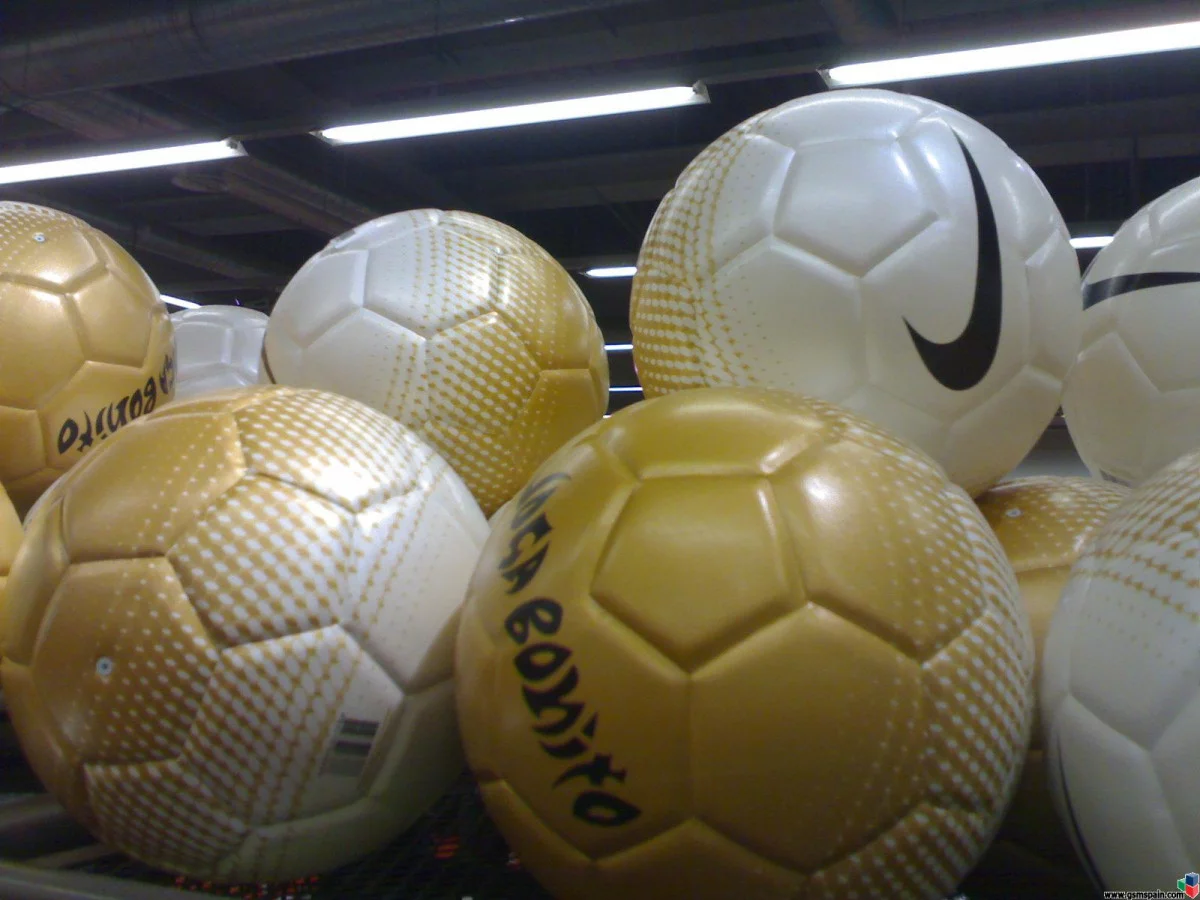
Nike Joga Bonito
When the phrase “Joga Bonito” springs to mind, Ronaldinho immediately comes to mind with his distinctive personality. It was a wonderful era when Nike showed us, through its adverts—almost all of which featured former Manchester United player Eric Cantona—that our sport was precisely that: magic. We’d watch it over and over again on our computers: CR7 and Ibra going head-to-head, or the Brazilian national team warming up before their matches. That ball, white and gold, which never featured in any major league, yet established itself as one of the greats.
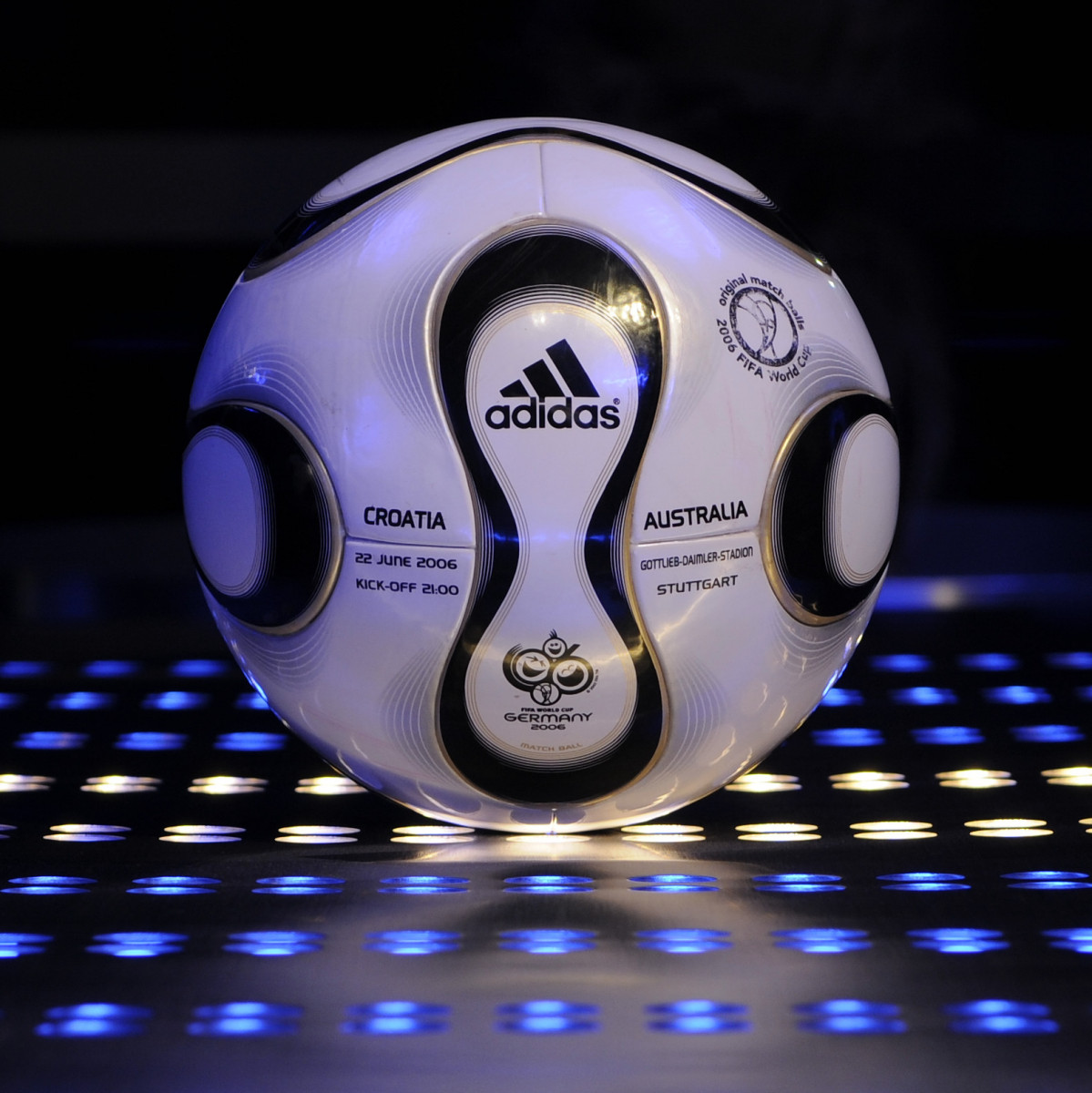
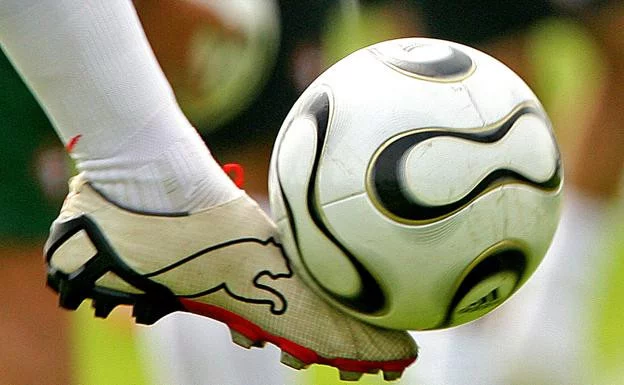
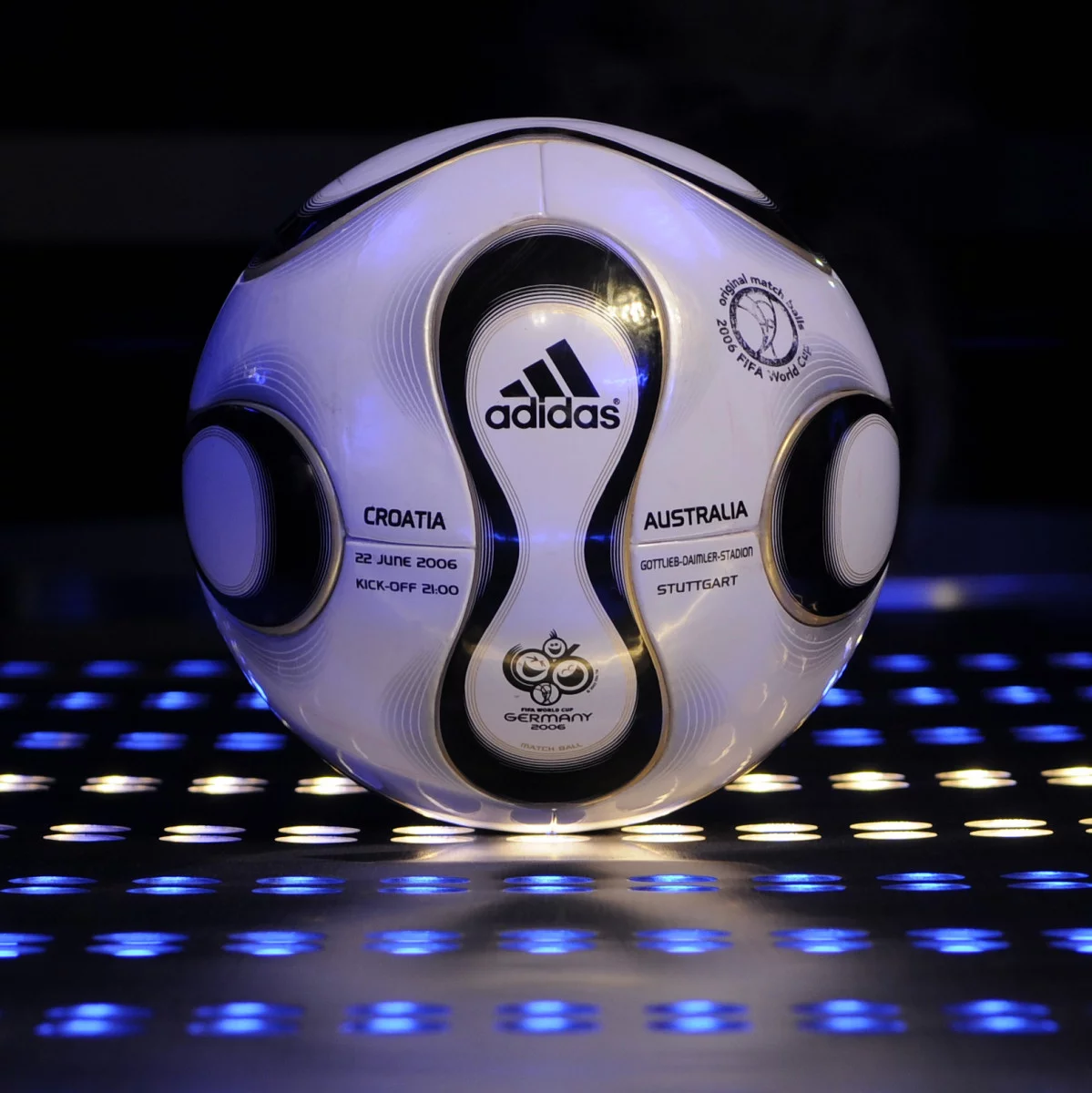
adidas +Teamgeist
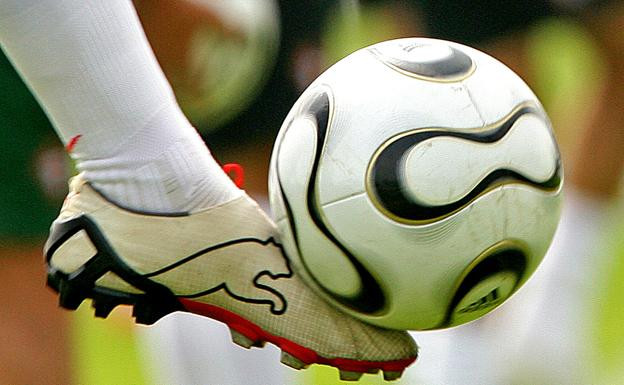
We are at the 2006 World Cup in Germany. The revolution in adidas ball manufacturing takes another step forward. The adidas +Teamgeist is so named in reference to a German term that refers to team spirit. For the first time in World Cup history, every ball was unique: each of the balls that rolled across German stadiums was personalised with the name of the stadium, the teams, the date of the match and the kick-off time for each game. However, the real revolution lay in the disappearance of the 32-panel structure of pentagons and hexagons that adidas introduced in 1970. The adidas Teamgeist consists of 14 panels, reducing the number of contact points between the panels by 60%, ultimately creating a more spherical ball. It is also the first competition ball with sealed rather than stitched panels, meaning water absorption is virtually zero and the ball does not change its weight or shape regardless of the condition of the pitch.
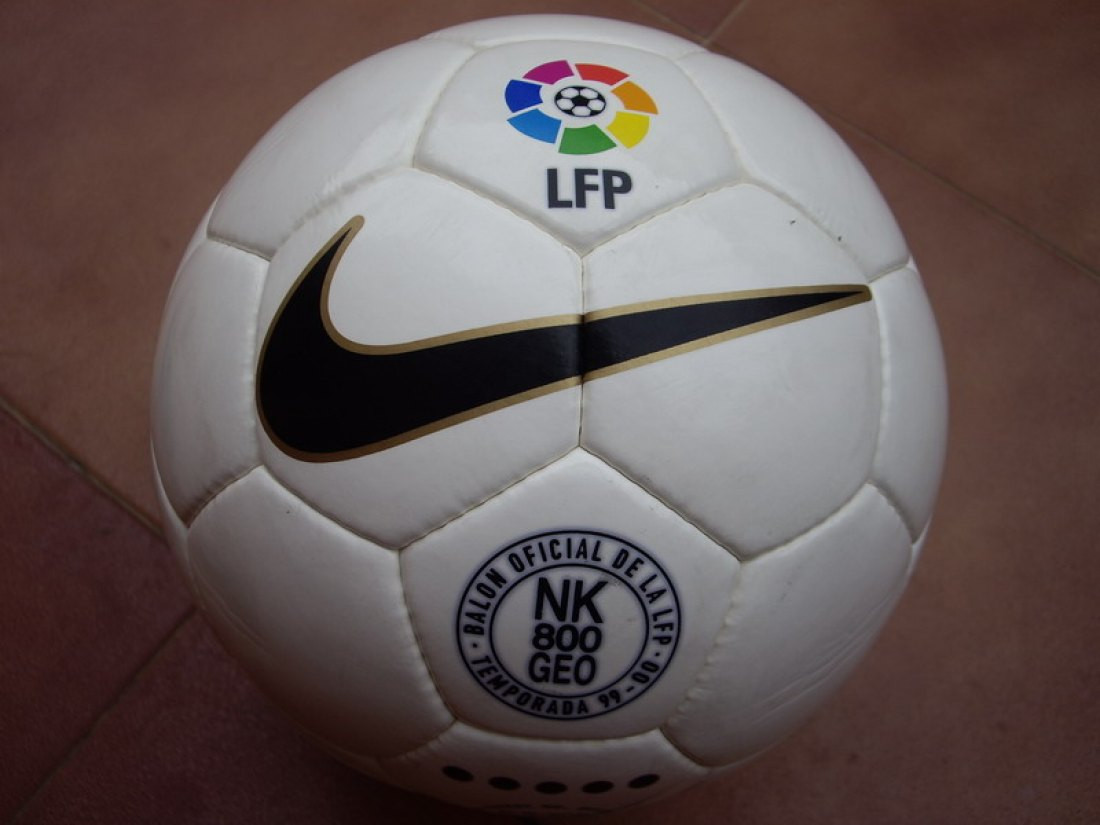
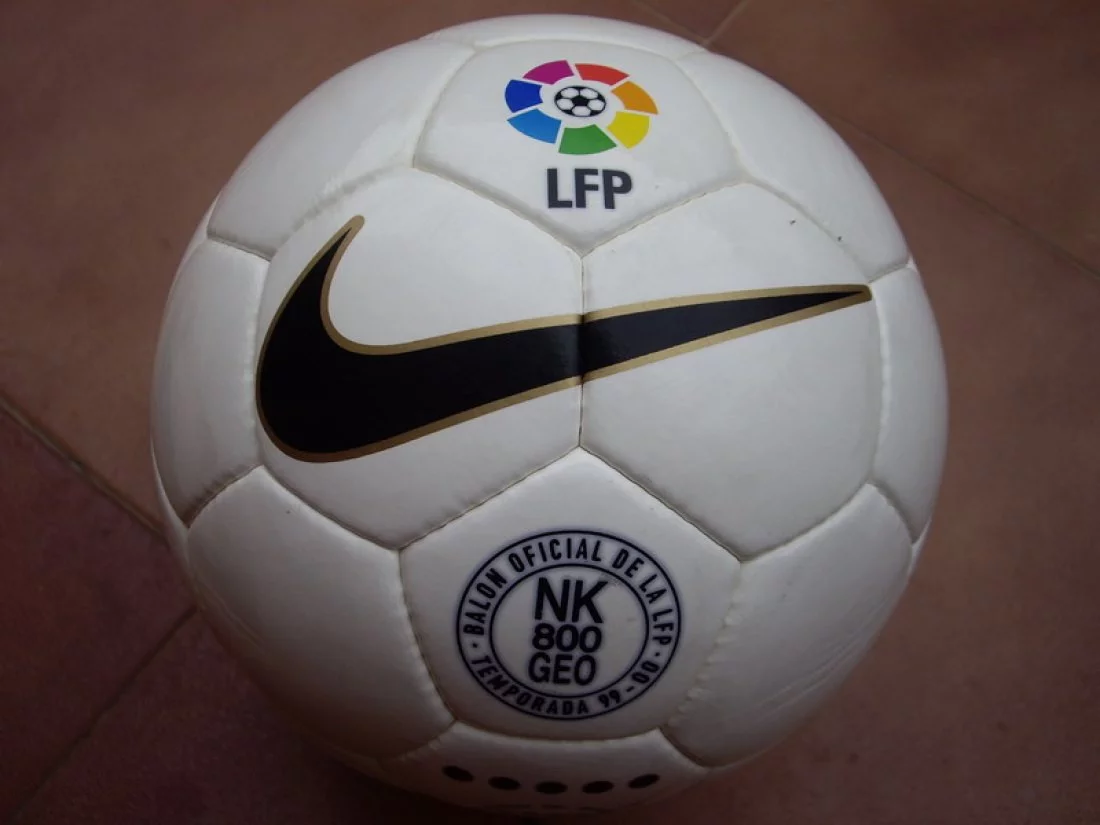
Nike NK 350 GEO
A white ball with a black ‘Swoosh’. Simple. Beautiful. It was 1996, and Nike had become the league’s official ball supplier. No wonder – each of these round things cost around 8,000 pesetas at the time. The American brand was already carving out its path and removed the black markings to leave a white sphere with the Nike logo in black and red. A real revolution for the time. It was with us for the 1996–1997 season. Never again would a ball be used for two consecutive seasons. Although it’s true that we’re talking about colourways, not models. By the way, we mustn’t confuse this with the Nike NK 850 Geo, as although they are similar, Nike didn’t go to the trouble of cloning the aforementioned 350.
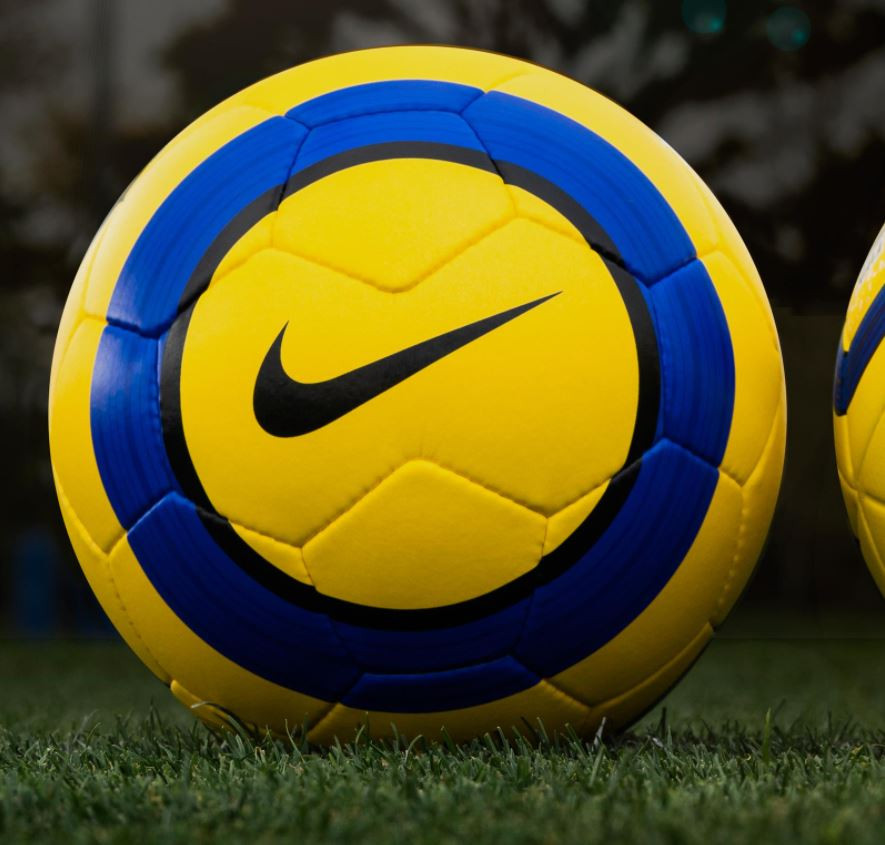
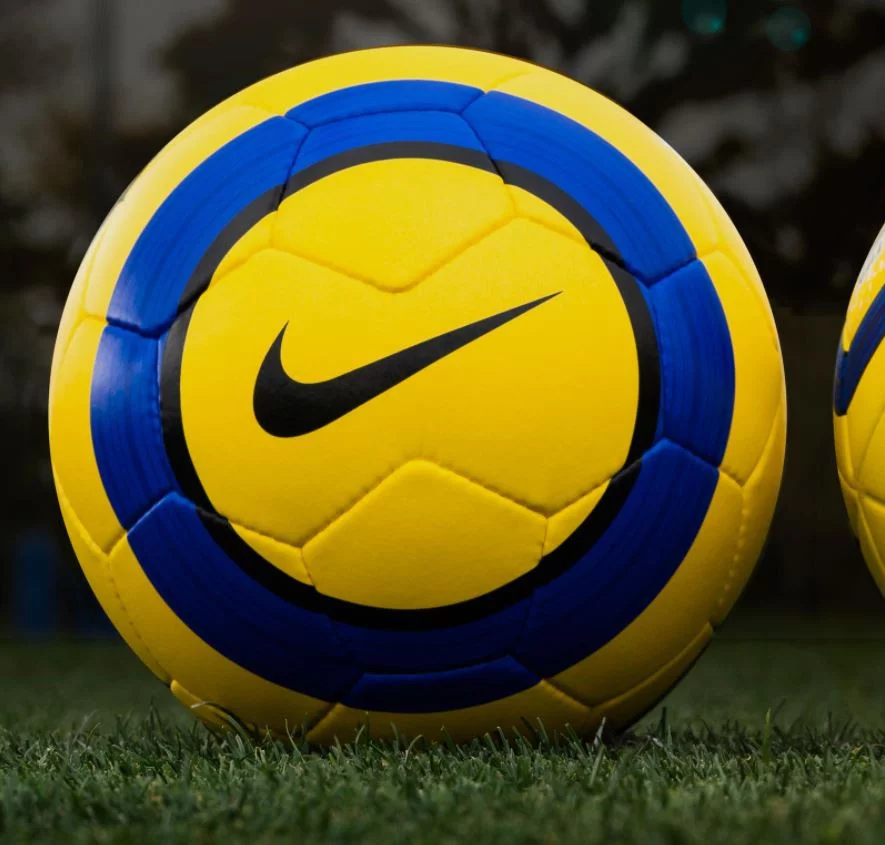
Nike Hi-Vis Aerow T90
We’re getting to the heart of the matter. Seriously, who doesn’t have this ball etched in their memory? Yes, it’s true that they were released in a white version, alongside several other colours, but when we saw it in yellow, everything changed. That design was the main innovation. For the first time, the introduction of the high-visibility model would be mandatory. As well as in Spain, this ball was rolled out in England, becoming the official ball of the Premier League. A true symbol of my childhood.
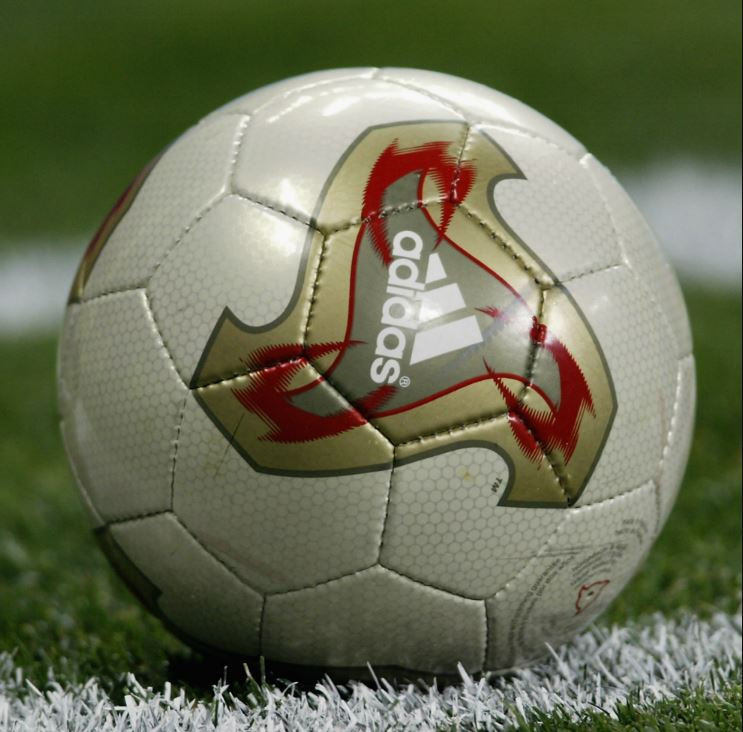
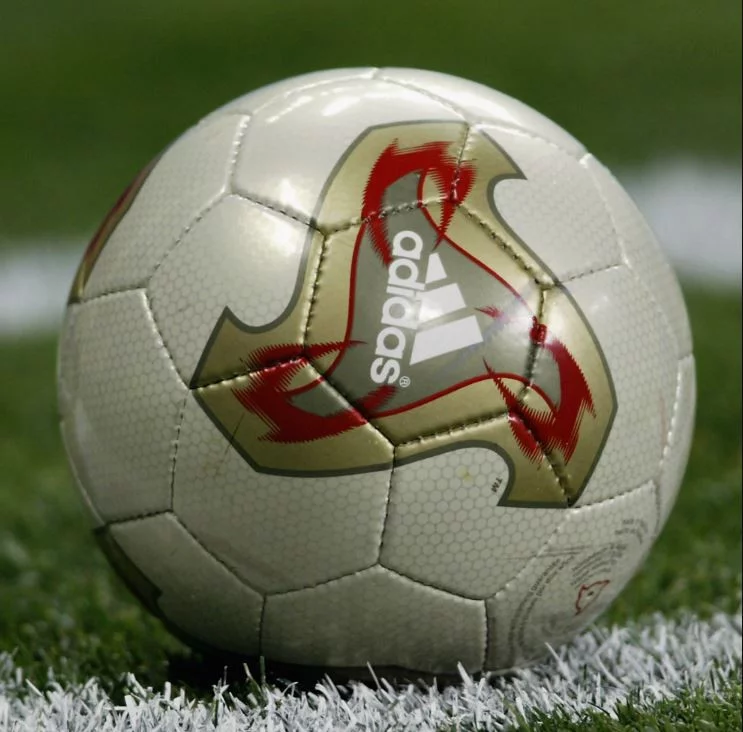
adidas Fevernova
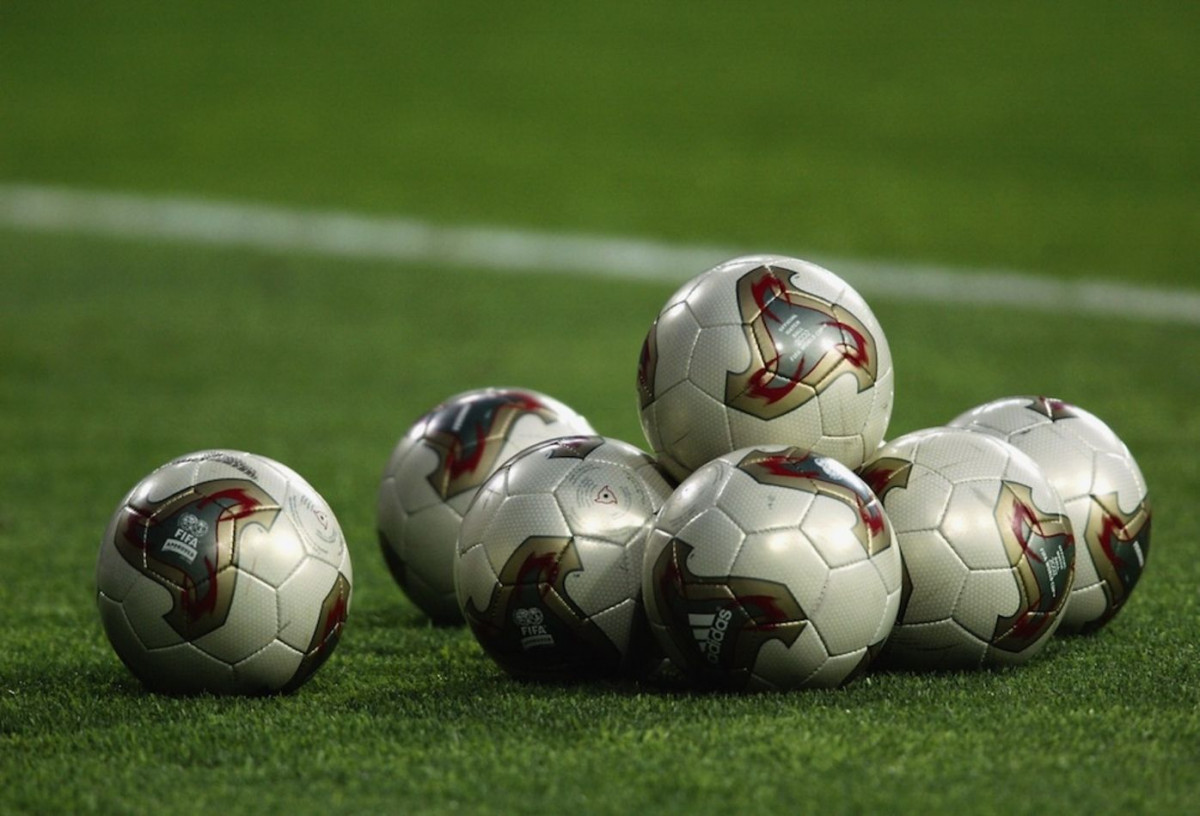
The 2002 World Cup in Korea and Japan. Just watching it fly through the replays had us drooling. As well as being one of the most iconic World Cups, thanks to the players who took part and the kit used, this ball, to be honest, was one of the reasons we were glued to the screen. Its name, turbine-inspired design and use of colour were entirely based on the Asian cultures’ passion for innovation. Technically, the adidas Fevernova featured a refined foam layer to give the ball better performance characteristics and a three-layer woven shell that allowed for a more precise and predictable flight path with every shot. The ball received heavy criticism at the time of its launch, but the reality is that it was very well received by the players.
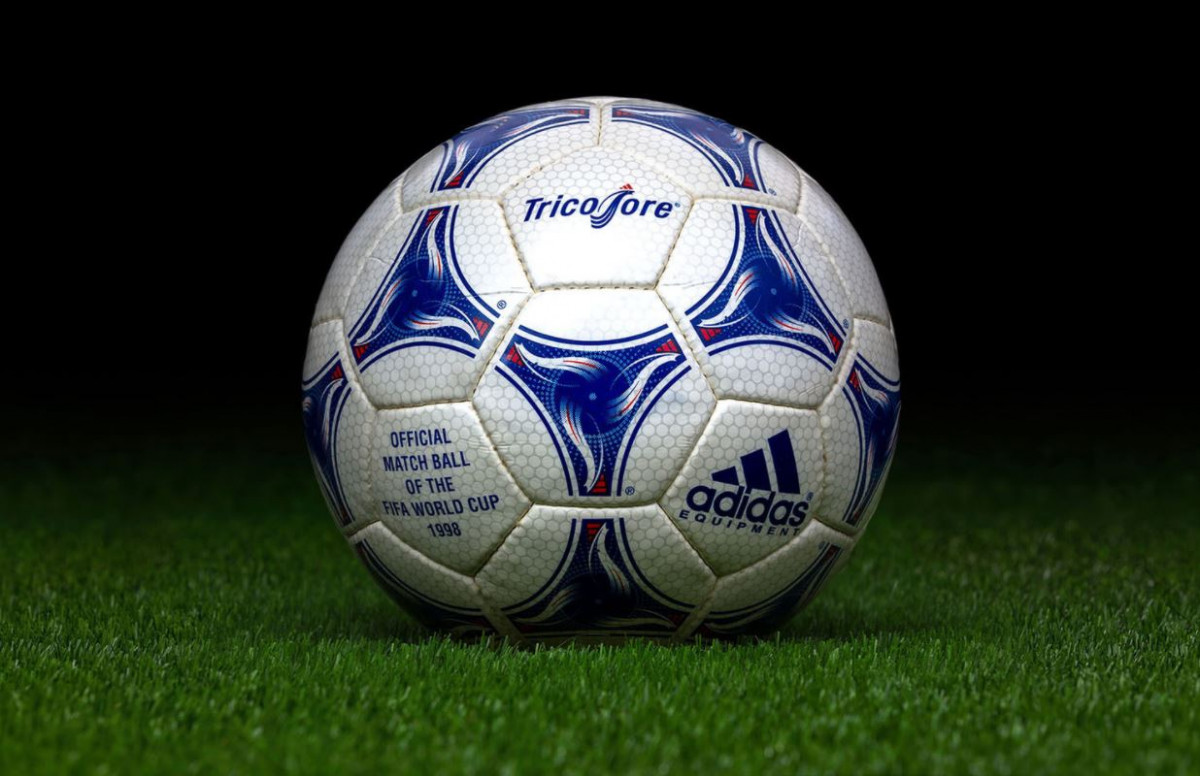
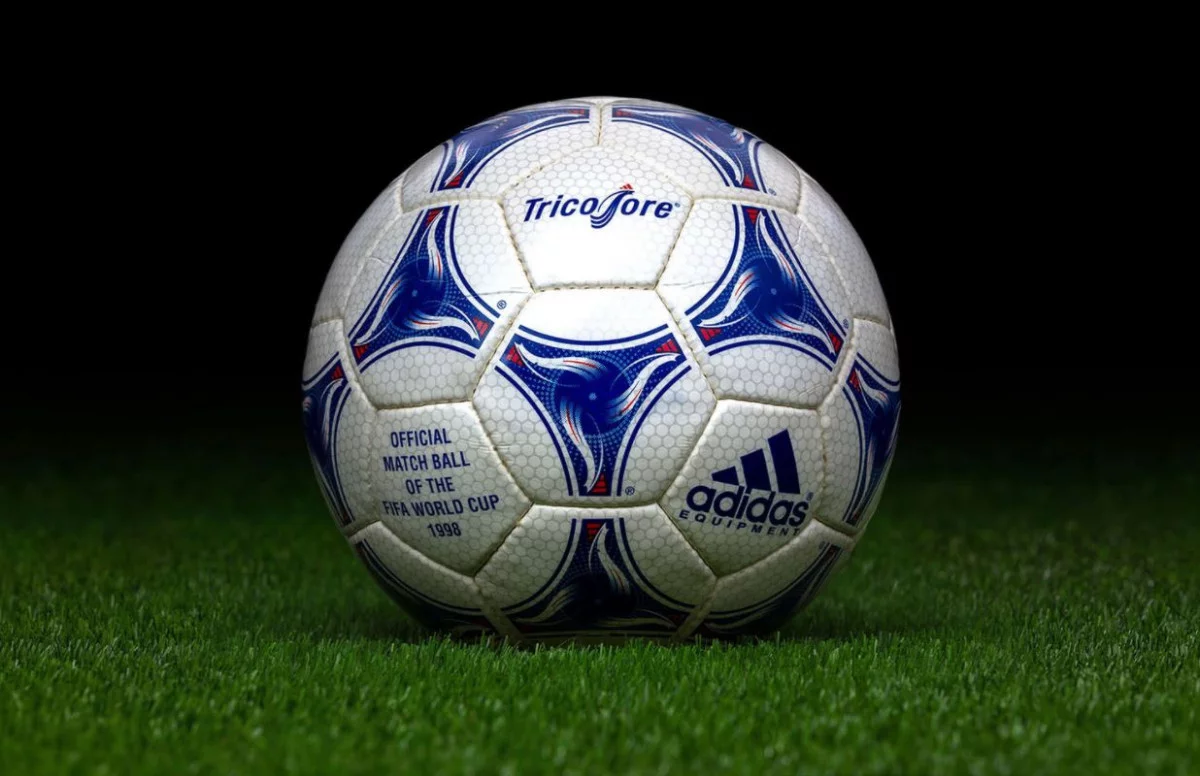
adidas Tricolore
Do you think we can say that the 1998 French Tricolore is THE World Cup ball? The name and design were inspired by the tricolour flag and the rooster, traditional symbols of the French Republic and its national football team.
The launch of the Tricolore marked a turning point in the manufacture of footballs. Production in European factories came to an end, and the major brands began manufacturing in cheaper countries. For many, the balls would never be the same again and lost some of their charm. The adidas Tricolore had ‘Made in Morocco’, ‘Made in Pakistan’ and ‘Made in Thailand’ versions. However, technologically speaking, the Tricolore represents a significant leap forward compared to other balls in use. The 1998 ball featured a layer of synthetic foam, a material that further enhanced the ball’s durability, energy return and responsiveness.
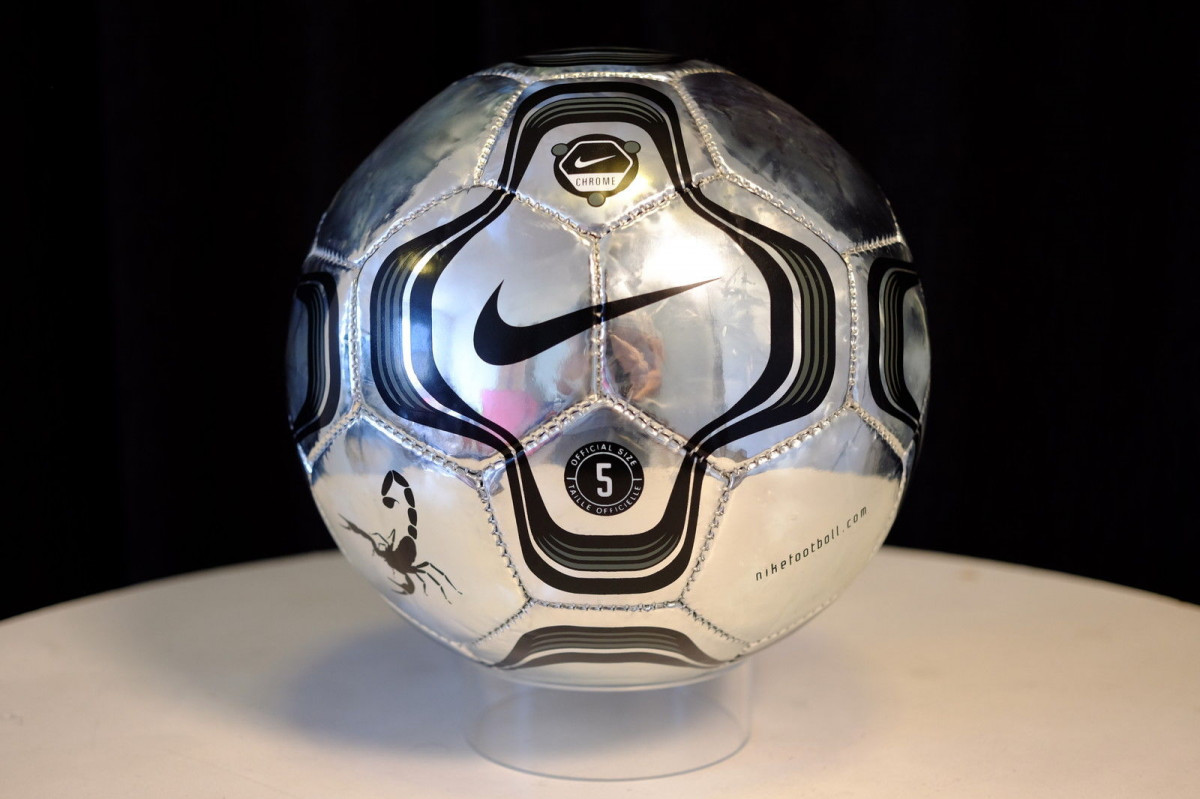
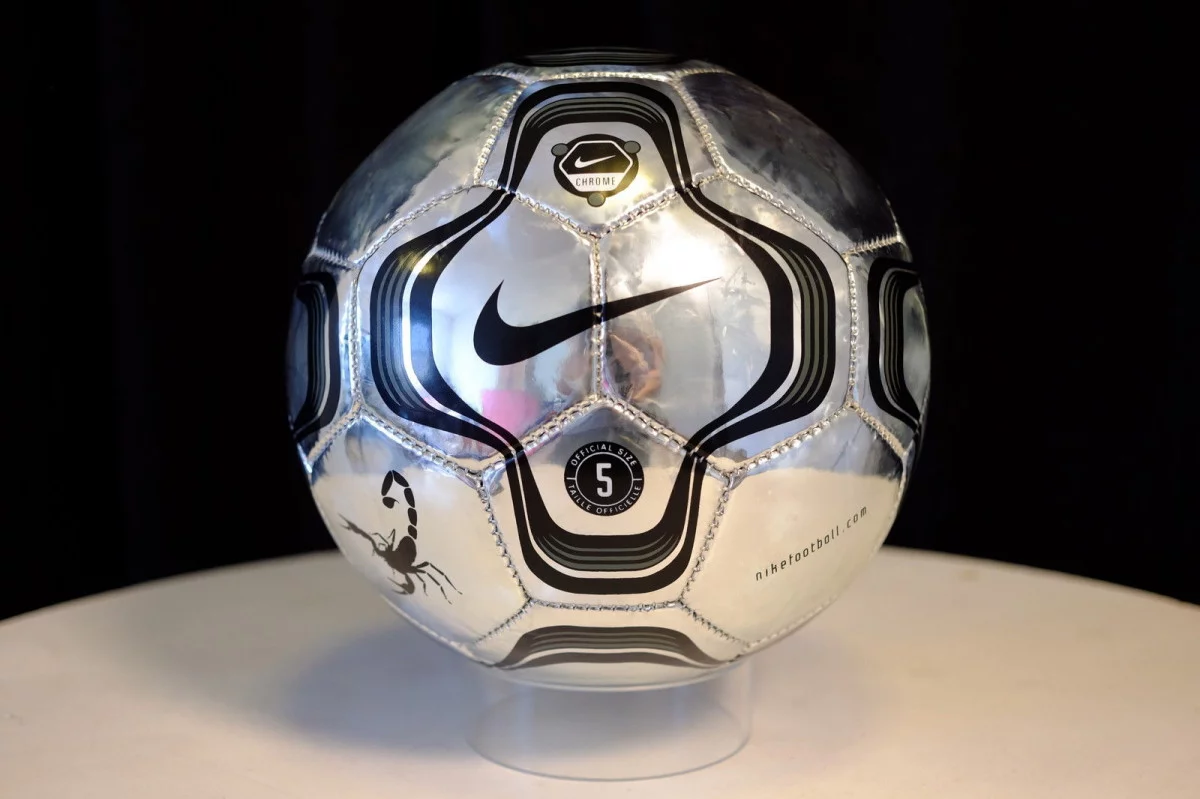
Nike Scorpion
Although they don’t produce as many of them these days, the sports brand Nike used to create major TV adverts featuring some of the best players of the time who wore the brand. One of the most memorable was the ‘cage’ advert, with Eric Cantona as the master of ceremonies. THE ADVERT. In all its glory. In 2002, a three-part campaign featuring three-a-side matches inside a cage. The campaign featured all the stars of the moment, who showed off their skills with the ball to the tune of Elvis Presley’s catchy ‘A Little Less Conversation’. In it, a silver ball appeared. Bloody hell, IT WAS SILVER! Back then, it caused a sensation among many kids who were amazed by this advert. It was clearly the basic design of the Nike Geo Merlin, but nothing like it. A whole different vibe.
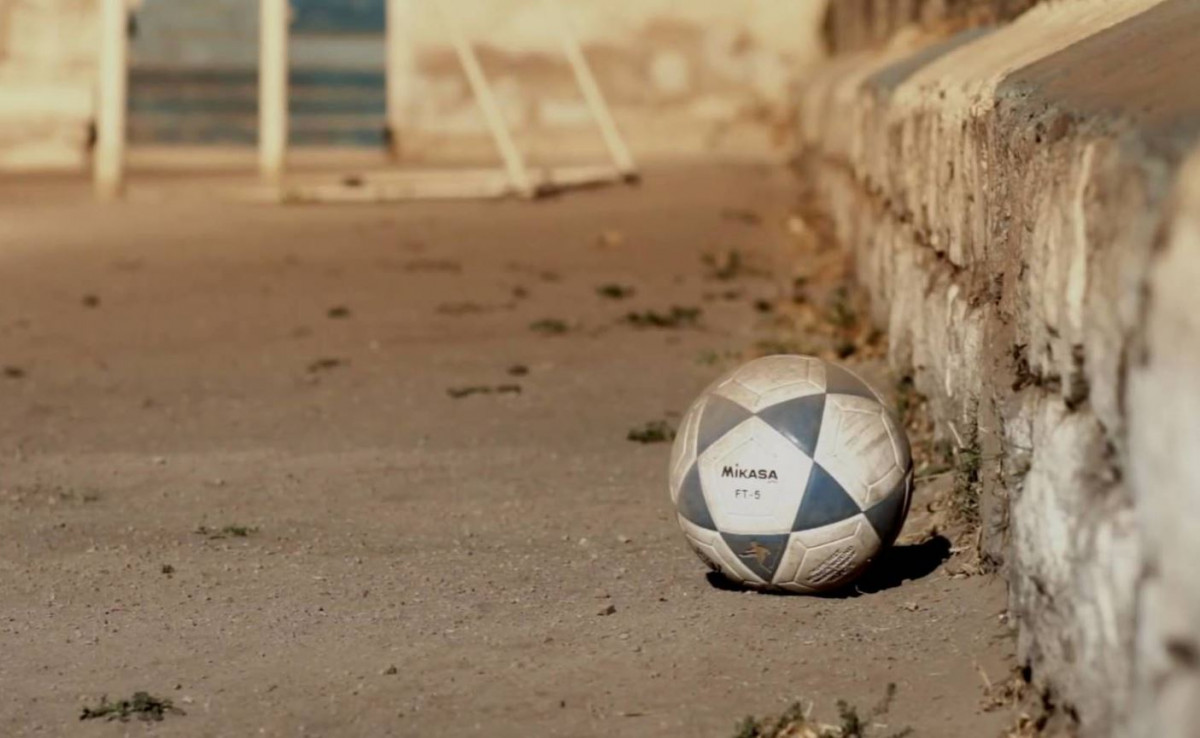
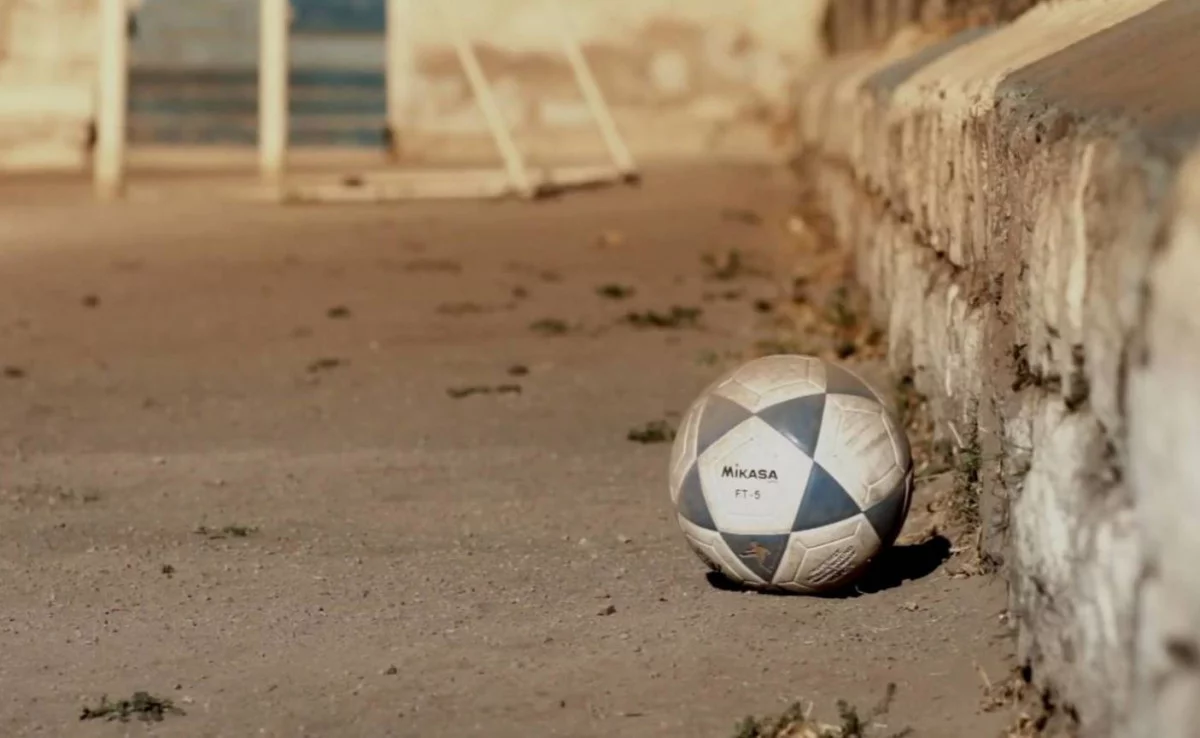
Mikasa FT5
A ball that turned you into a player, straight off the kick. The Mikasa ball. Simply the Mikasa. The Mikasa generation. There are footballs, and then there are Mikasas. At the same time, there is only one Mikasa, but there are many ‘Mikasas’. The original Mikasa wasn’t just any old ball, however debatable it may be whether it was even a ball at all. Perhaps what it lacked in terms of being a proper sphere—and other things—is what made it so special. The Mikasa frustrated you and improved you in unequal measure. It was exasperating and impossible for certain moves: taking a corner, taking a free-kick... It was dangerous for others: heading the ball (death), controlling it with your chest (slow death). The Mikasa ball left its mark, and not on the heart as it did years later – no, we mean that literally. This model has been so famous for decades that it has become a symbol of ‘amateur’ football. It had many flaws, but we wouldn’t change a thing about what this ball taught us. A quote from an ageing player, but a true one: today’s players won’t know how wonderful it is to combine the sand with a Mikasa.
Of course, we could have included many more footballs on the list – the ones that made a lasting impression on kids in the 80s – but we think it’s better this way. Would you add any more to this list? Just a reminder: this is OUR PERSONAL LIST; it doesn’t have to be the same as yours. If there’s one you’d like to add, leave it in the comments box or get in touch via our various social media channels.