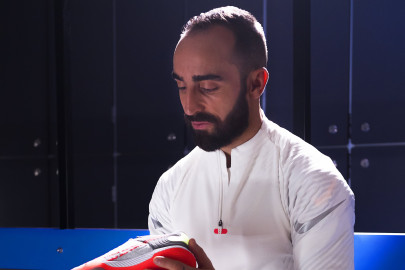
Whether we call it futsal or indoor football, the fact is that this 5-a-side sport has been gaining ground until it has become a leading discipline within elite sport. Its pace, technical demands and the speed at which decisions must be made have led to growing interest from footballers and fans alike. Players such as Ricardinho (Portugal), Falcão (Brazil), Sergio Lozano (Spain) and Leandro Cuzzolino (Argentina), amongst many other international stars, have been instrumental in taking futsal to the next level and boosting its popularity worldwide. To some, it may seem like a simple sport due to the size of the pitch and the small number of players. However, anyone who has set foot on a futsal pitch knows that the reality is very different: it is a fast-paced, intense sport that is extremely demanding both technically and tactically. Its rules and characteristics mean that every possession, every move and every decision can make all the difference.
Futsal as a growing sport:
- Futsal originis
- Futsal rules
- Futsal in Portugal
- Main players
1. Futsal origins
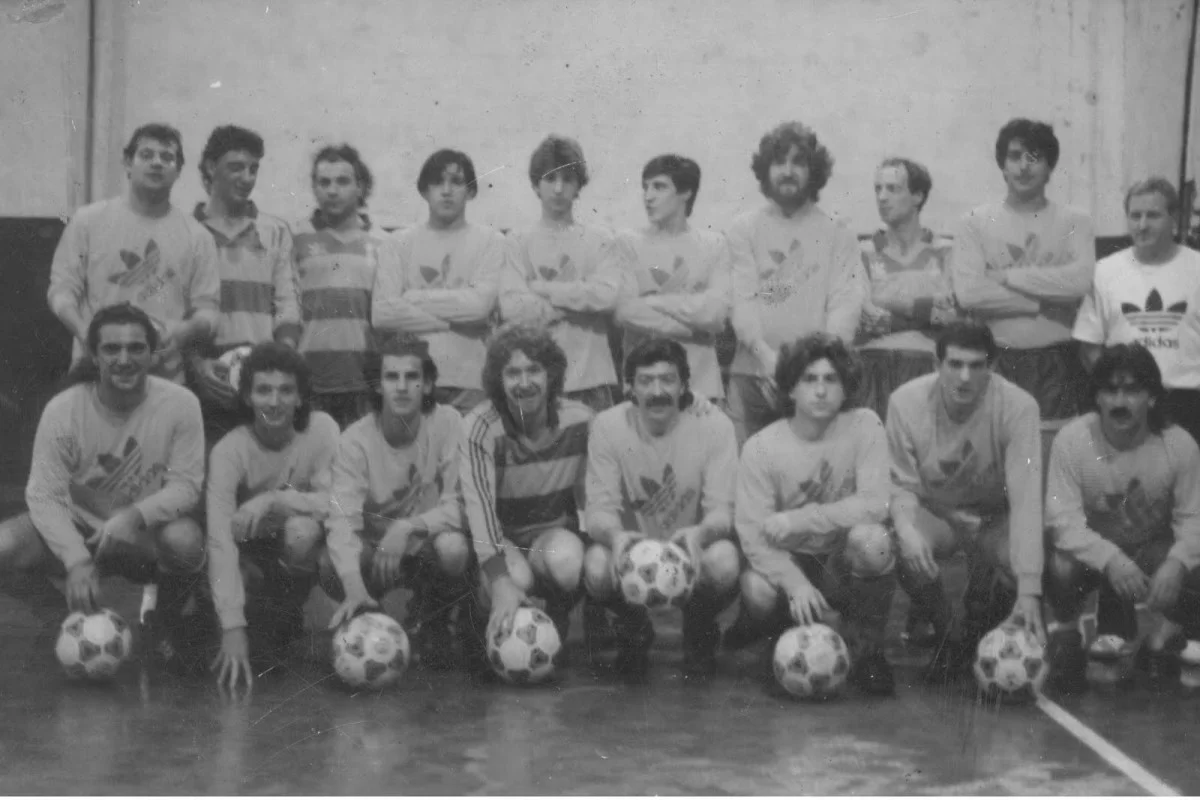
Although it is commonly believed that futsal originated in Brazil, its true origins lie in another South American country: Uruguay. More specifically, in Montevideo. It was in 1930 that Juan Carlos Ceriani, a PE teacher at the Young Men’s Christian Association (YMCA) in Montevideo, began to develop a new form of football adapted for indoor play. The aim was to create a sport that could be played on a court and that combined elements of football with features from other disciplines. Thus was born ‘Indoor-Foot-Ball’, a variant which, over the years and as it spread to different countries, would evolve into what we now know as futsal. Brazil would later play a key role in the development and popularisation of this sport, but its roots lie in Montevideo.
2. Futsal rules
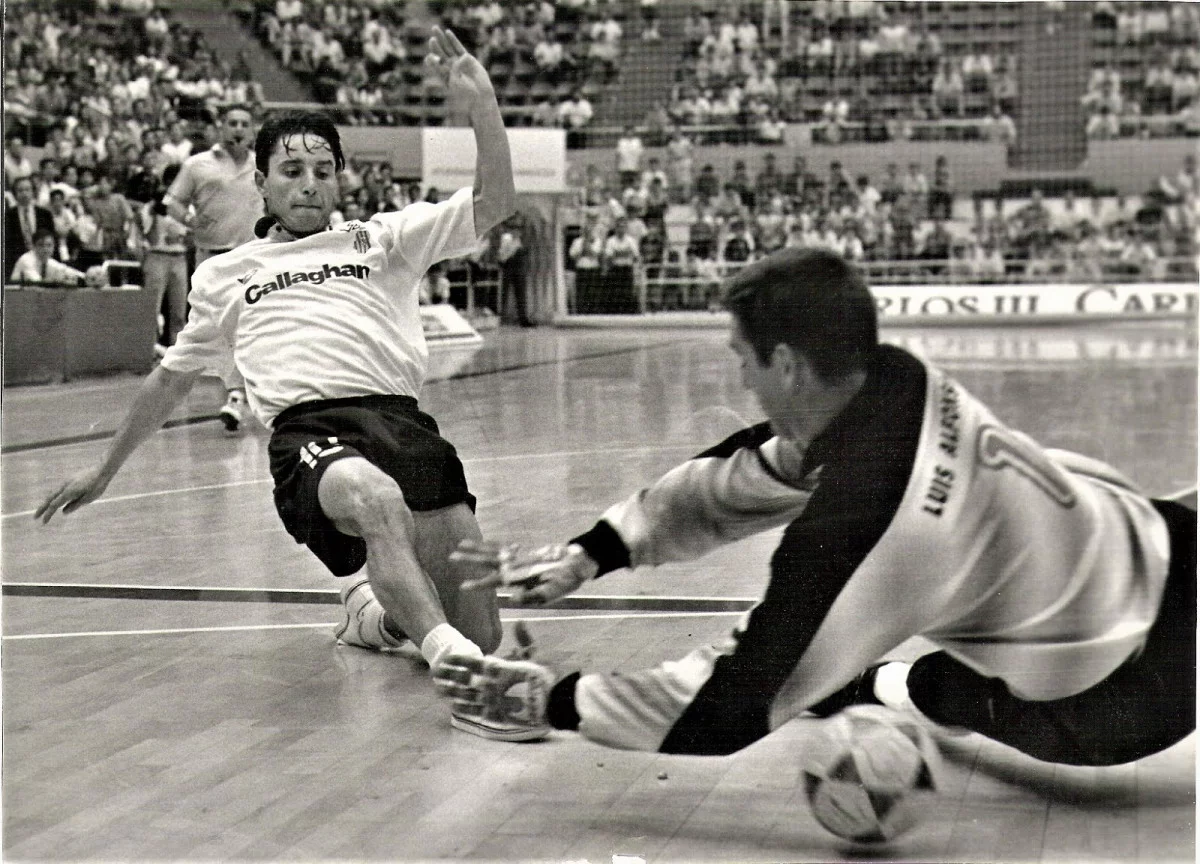
Just as in football, the main aim of each team is to win the match, which is only possible by scoring more goals than the opposition. To do this, the ball must be put into the opposition’s goal. The main difference is that, in futsal, the match is played on a much smaller pitch with five players per team, including the goalkeeper. The goalkeeper is the only player allowed to handle the ball with their hands within their own penalty area. Matches are divided into two halves of 20 minutes’ playing time, whilst the court dimensions are similar to those of a handball court. There are also significant differences in the equipment used. In futsal, football boots with studs are not used; instead, players wear specialist futsal shoes, designed to provide the necessary grip and stability on indoor surfaces. As for goalkeepers, there are specialised futsal gloves, although many choose to play without them, relying instead on protective techniques and finger bandages. Tactically, the most common positions are goalkeeper, sweeper, winger and centre-forward. The game allows for an unlimited number of substitutions at any point during the match, provided the zones and procedures set out in the official rules are observed.
3. Futsal in Portugal
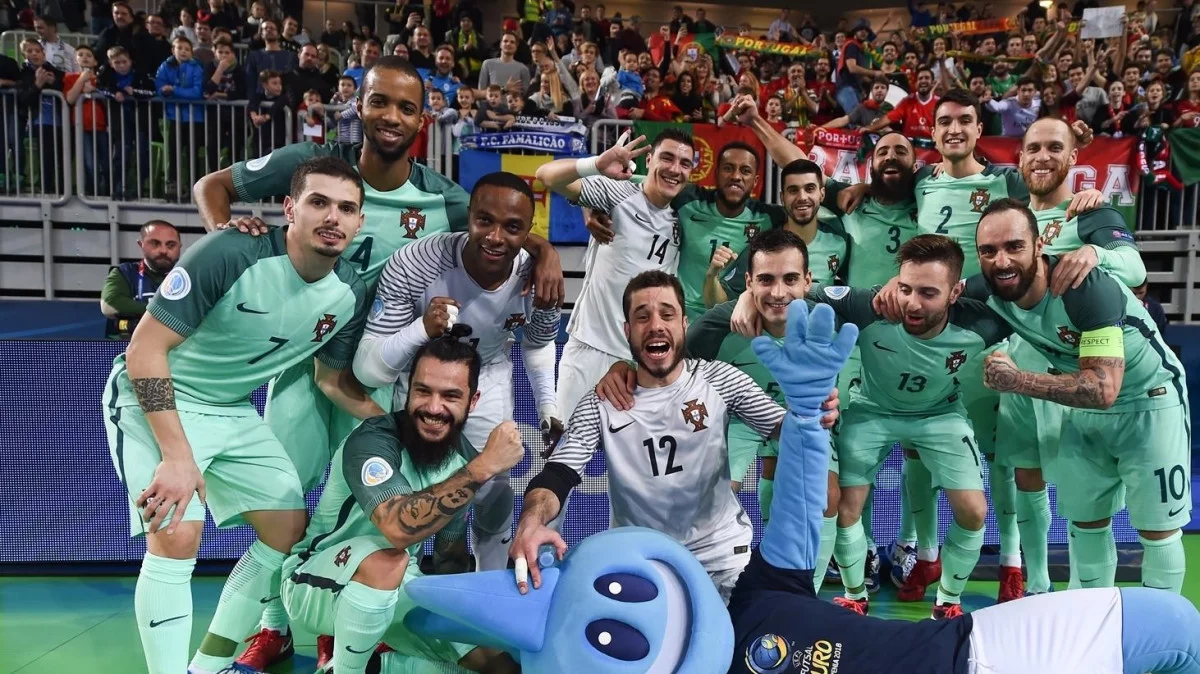
Futsal began to gain a foothold in Portugal in the late 1980s and experienced significant growth in the early 1990s. At that time, three different variants of futsal co-existed in the country, until they were finally merged into a single competition. In 1990, the championship adopted a league format for the first time. Until then, and due to the existence of different variants of the sport, the cup format had been the most common. Since then, Portuguese futsal has continued to grow. Behind this evolution lies the work of many people who believed in the sport from its very beginnings, as well as the support of sponsors and the media, which helped to raise its profile and bring it to an ever-wider audience. One of the most intriguing examples from that era was the Correio da Manhã futsal team, which for several years competed at the very top level of Portuguese futsal. In terms of titles, Sporting CP is currently the most successful club in the competition, with 15 league titles, followed by SL Benfica, with eight. The rivalry between Lisbon’s two major clubs has also been one of the key drivers behind the growth of futsal in Portugal. This competition has helped to raise the standard of the sport and produce an ever-increasing number of high-quality players across the country. This success is also reflected in the Portuguese national team, which has established itself amongst the world’s leading nations and is currently the European champion.
4. Main players
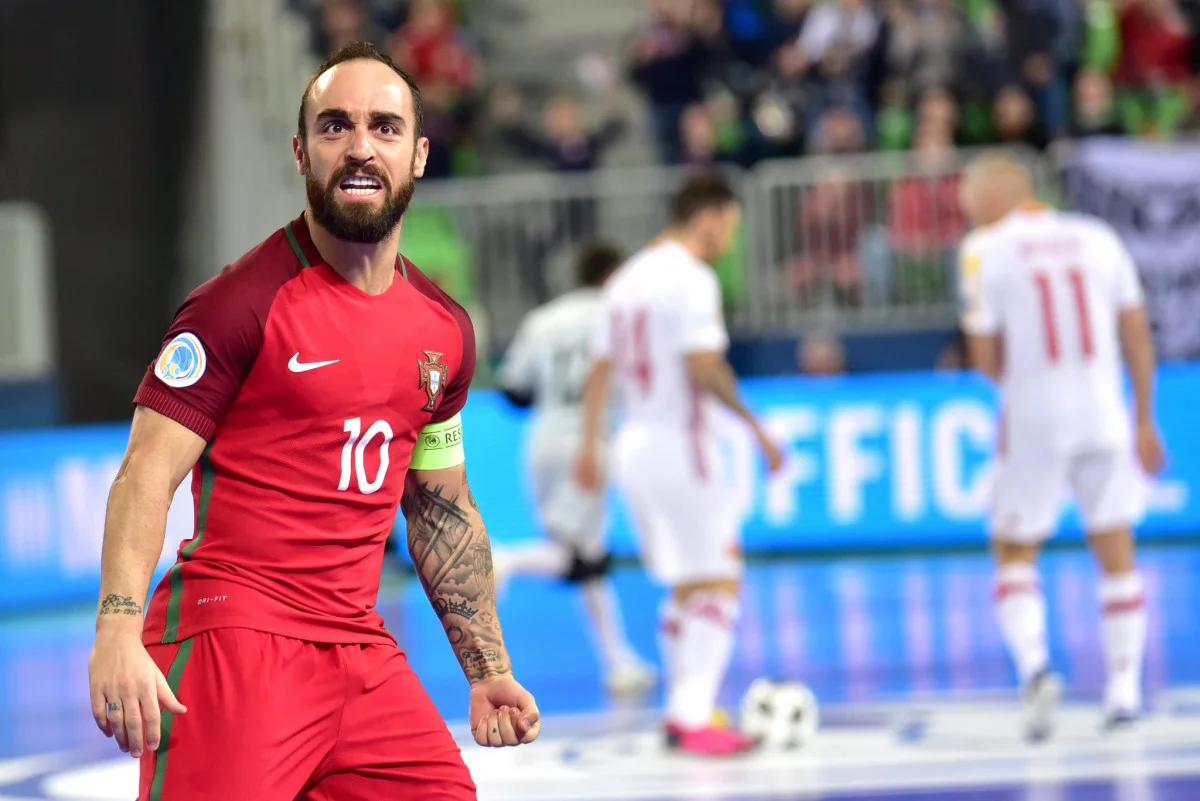
Although the LNFS has historically been one of the best futsal leagues in the world, the calibre of the players who have played in Portugal also means that the Portuguese league can be counted amongst the major international competitions. However, this level of quality has not always translated into the same number of international titles, an area in which Spain and Brazil have traditionally dominated. The development of their respective leagues and the emergence of great stars have helped to consolidate their position amongst the world’s elite. Falcão, Schumacher, Gadeia, Sergio Lozano, Miguelín, Neto, Luis Amado and Ferrão are just some of the names who have left their mark on the history of futsal and who, given their quality, could have played for practically any team in the world. But when it comes to the great figures of international futsal, there is one Portuguese name that stands out above the rest: Ricardo Filipe da Silva Duarte Braga, known worldwide as Ricardinho. A well-known supporter of SL Benfica, the Portuguese player – famous for his spectacular individual skill and the Nike Lunar Gato futsal boots he regularly wore – spent much of his career in Spain, where he played for Inter Movistar, one of the most successful clubs in the history of futsal. Ricardinho has been voted the world’s best player six times, as well as becoming one of the sport’s leading figures on the international stage. His talent, his dribbling skills and his unique understanding of the game have made him one of the most recognisable figures in the history of futsal.
And these are just some of the most notable facts from the history of futsal. If you’ve enjoyed this post and would like to discover more content about this sport, don’t forget to leave your thoughts in the comments.