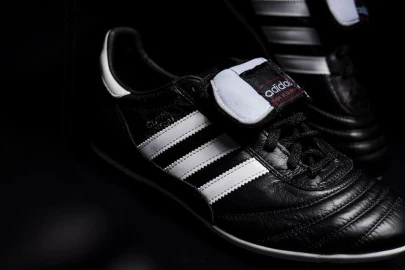
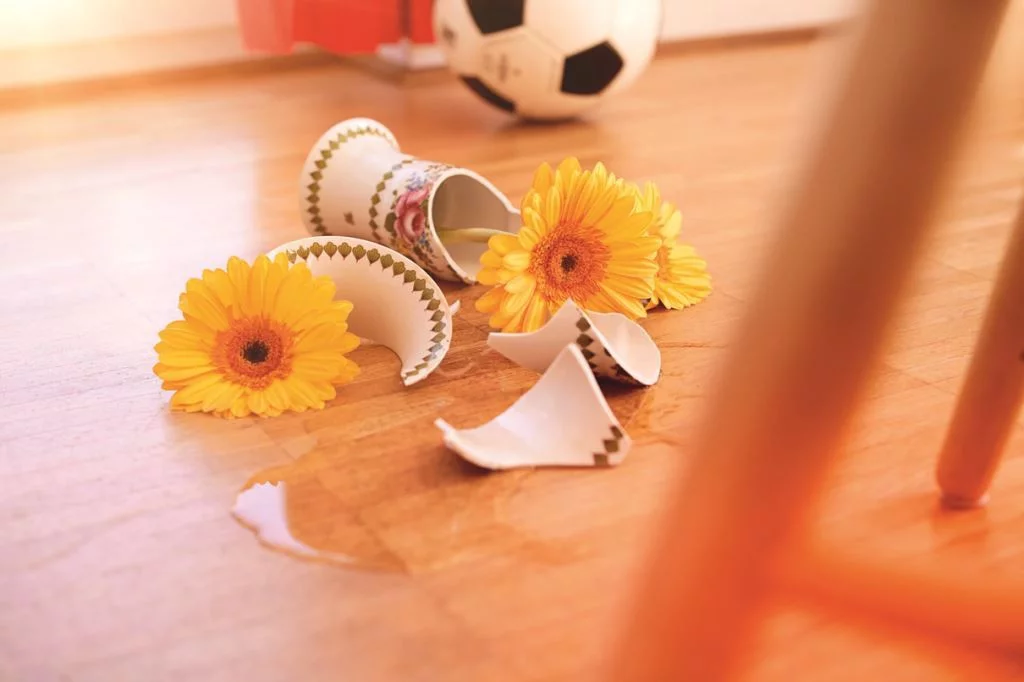
The first thing we should point out is that these exercises are just a small addition and are never a substitute for training with your team or with a goalkeeping coach at your club. What’s more, they’re exercises that can be adapted for a normal home environment, and as always make sure you do them in a spacious area – otherwise we’re bound to smash a vase, the telly, an iPad or something similar.
Coordination exercises
To begin with, we need a football training ball – preferably a soft or foam one – as this exercise focuses on receiving and catching the ball rather than blocking it. Once we have the ball, we need to find a wall where we can bounce it off, and, sitting in front of it, simply bounce it off the wall and catch it in the air, without letting it bounce on the ground.
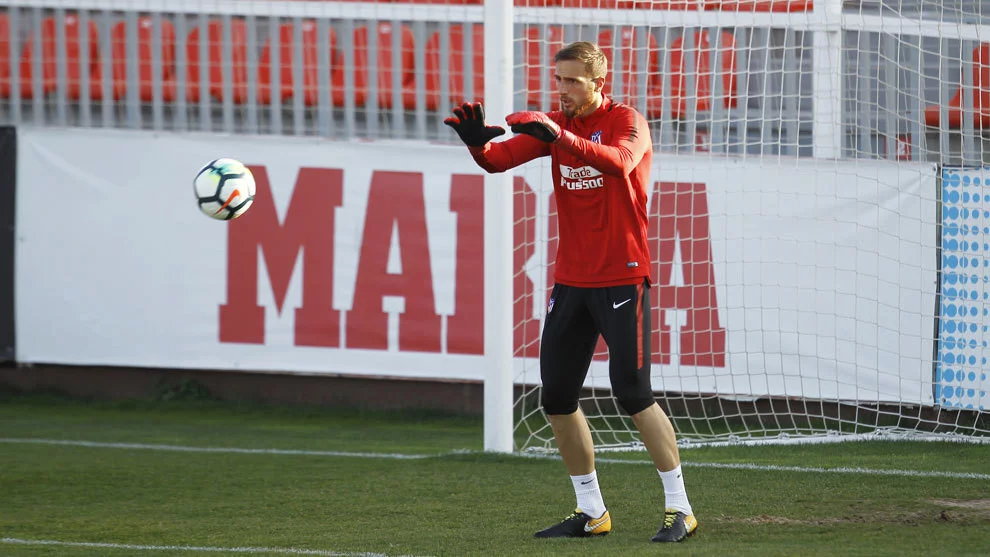
This exercise will serve as a warm-up and will also help us improve our coordination in this type of activity.
Saves
Another easy exercise, particularly for beginners, is to practise saves – both short and long ones. To do this, we simply need two footballs – it doesn’t matter which ones, as they won’t be moving – and we should place them on either side of our body, leaving a distance equal to the width of our body on each side.
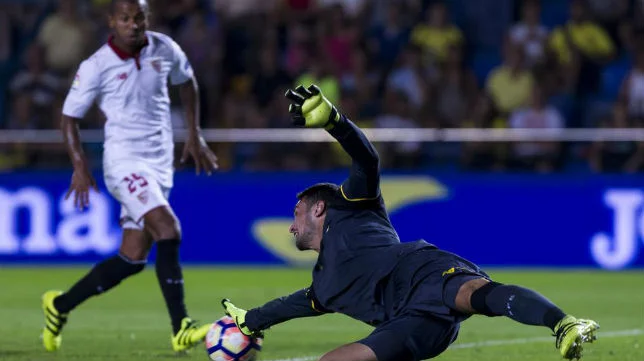
Once we’ve positioned them correctly and are kneeling in the centre, with our goalkeeper gloves on, we simply practise reaching out to both sides, blocking the ball each time. By doing several sets of repetitions, we improve our positioning and reach on the pitch.
Reflections
Another exercise we can easily do in our bedroom – or, better still, in the garage or garden – is reflex training involving short, sudden saves. For this, we need a ball and a wall with an uneven surface; otherwise, we can do it in a corner. Simply wearing our gloves, we’ll stand in front of the wall and throw the ball with some force so that it bounces off in any direction and we can stop it.
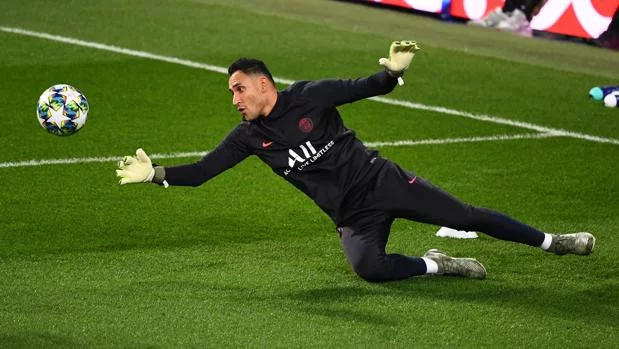
This will help us improve our reflexes and blocking skills, as well as giving us a better understanding of the trajectory and spin that a football can take.
Goal kicks
For this exercise, we’ll need a larger space – whether it’s a garage, a garden or, even better, a fronton near home. The aim is to practise volley and hand serves. To do this, simply use the correct technique for the volley and hand serve, hit the ball against the wall and stop the rebound.
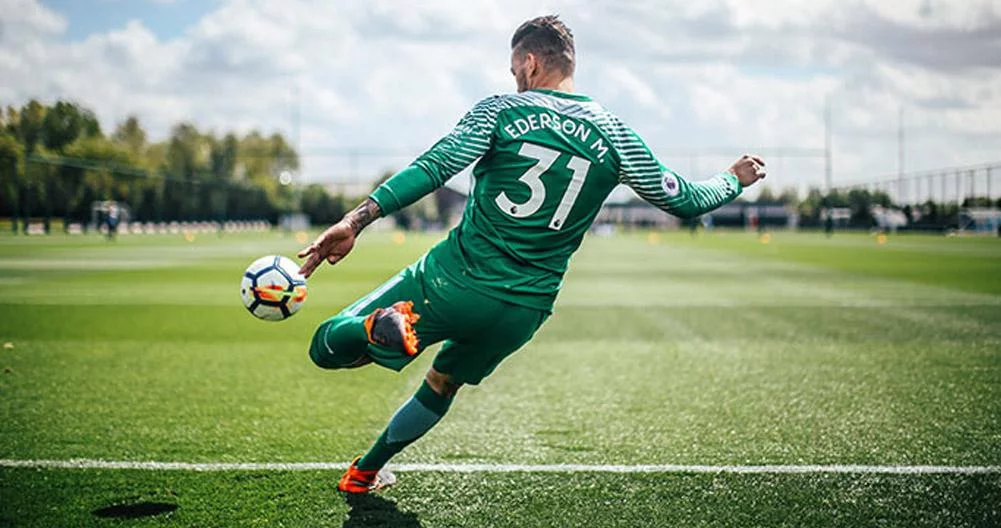
In this way, we’ll focus mainly on practising our kicks, improving them bit by bit, so that they will come much more naturally when we use them in our training sessions and matches.
Physical training
And for more advanced goalkeepers who simply want to build muscle to round off their training sessions, you can do typical toning and strengthening exercises at home, always taking care not to overload or overexert the area being worked on. The most common exercises include arm exercises with light weights, as well as squats to strengthen the legs; you can also do gap exercises using benches and even strength repetitions using your own body weight and elastic bands.
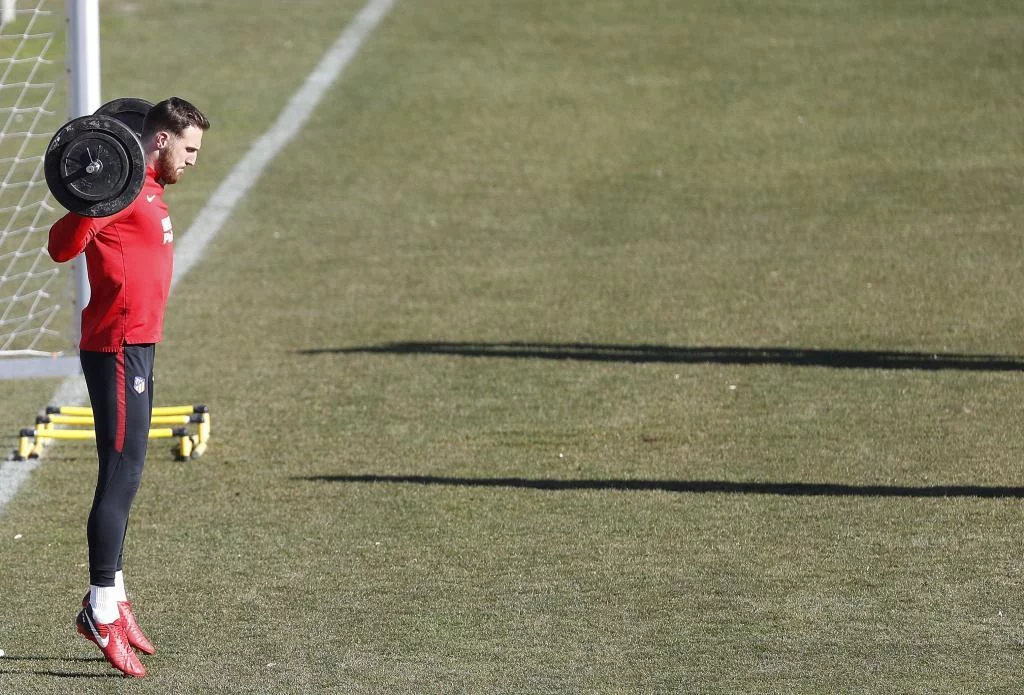
And that’s it – with these exercises, we can put together a basic workout that complements or supports our training at the gym, or even helps us take those first steps towards improving bit by bit. Do you have any other favourite exercises that you do at home?