The evolution of footballs
Let’s start with the early days of football, when the ball was little more than a spherical object with a leather or other material covering both the outside and the inside. From the very first spherical forms used in various sports, pig bladders were employed – though it may sound strange to you now – to create what are now known as air valves and various parts of the ball.
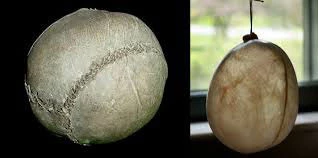
We’re talking about times long past, and of course this was only just beginning. It wasn’t until the late 19th century that we started to see footballs that looked more like what we picture today. In 1885, Goodyear created the first sports ball made of vulcanised rubber and with a somewhat more ‘spherical’ shape, improving on the designs and concepts pioneered by Richard Lindon, who was already using rubber for rugby balls and replacing the famous pig’s bladder valves.
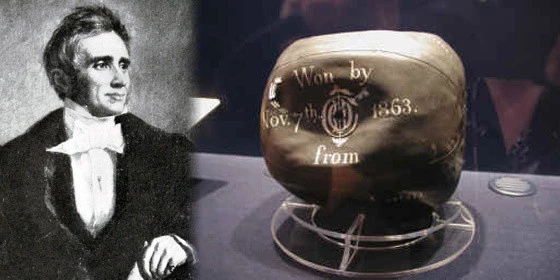
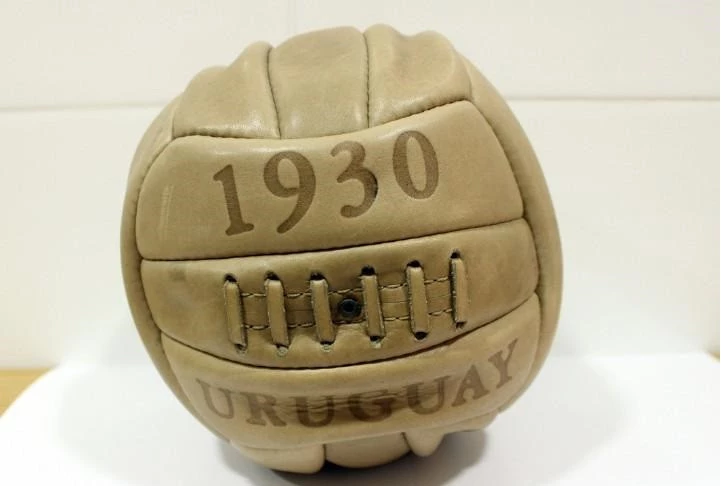
After this period, and by the end of the 19th century, the general rules of football were finally established, and specifications and technical details for footballs were laid down. The English Football Association determined that footballs should be spherical in shape, with a diameter of between 21.65 and 22.29 cm, a circumference of between 68.58 and 71.12 cm, and a weight of between 368 and 425 grams. Their inflation pressure had to be between 1.6 and 2.1 atmospheres. This provided the rules and foundations upon which footballs began to be manufactured. By the early 20th century, with the popularity of the beautiful game on the rise, footballs were made from leather of varying qualities and were certainly hard compared to those of today. We now have the first striped balls known from the early days of football, which incorporated synthetic paints to prevent the leather from absorbing water, such as those used in the first World Cup, in Uruguay in 1930.
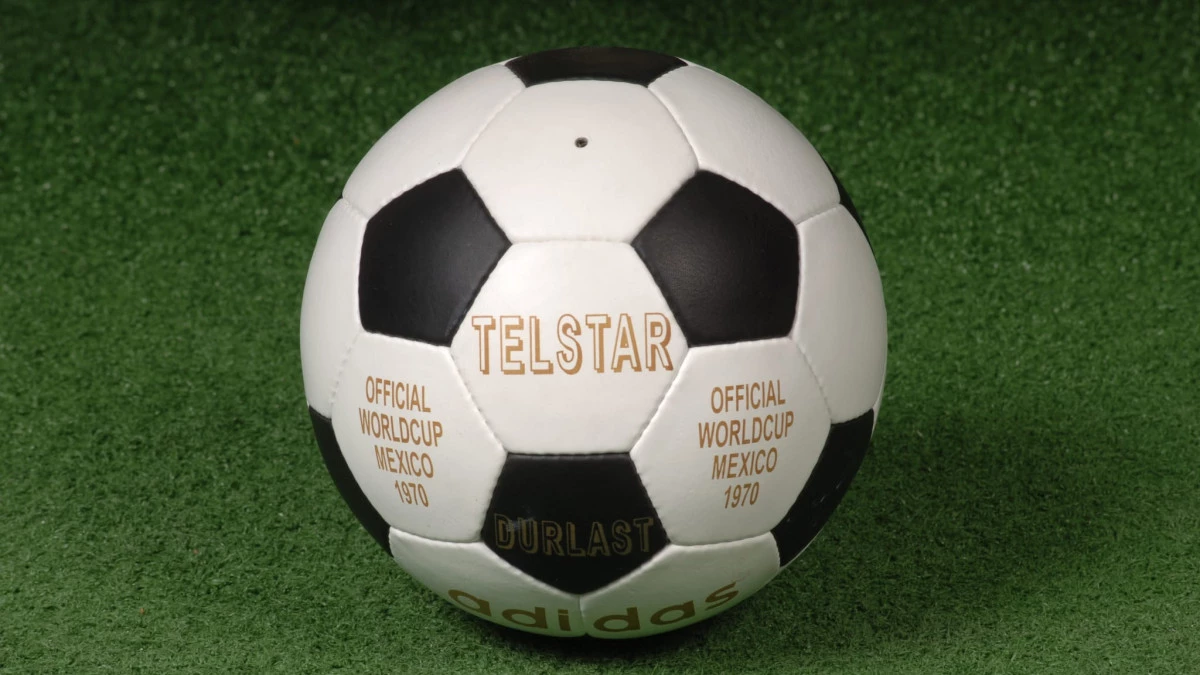
The evolution continued, albeit without any major changes, until 1970, when the brand with the three stripes created the first spherical ball made up of 32 hexagonal panels: the Telstar. It was a real revolution, as it achieved a perfectly spherical shape, and the use of hand-stitched seams in two colours meant that the shapes and sizes of footballs became much more standardised.
The German brand adidas, which was the leading innovator in football ball technology, brought us the new ball for the 1986 World Cup in Mexico: the Azteca, the first synthetic ball with an internal foam core. This helped prevent water absorption and improved the ball’s kick and flight. The foundations for modern footballs were laid.
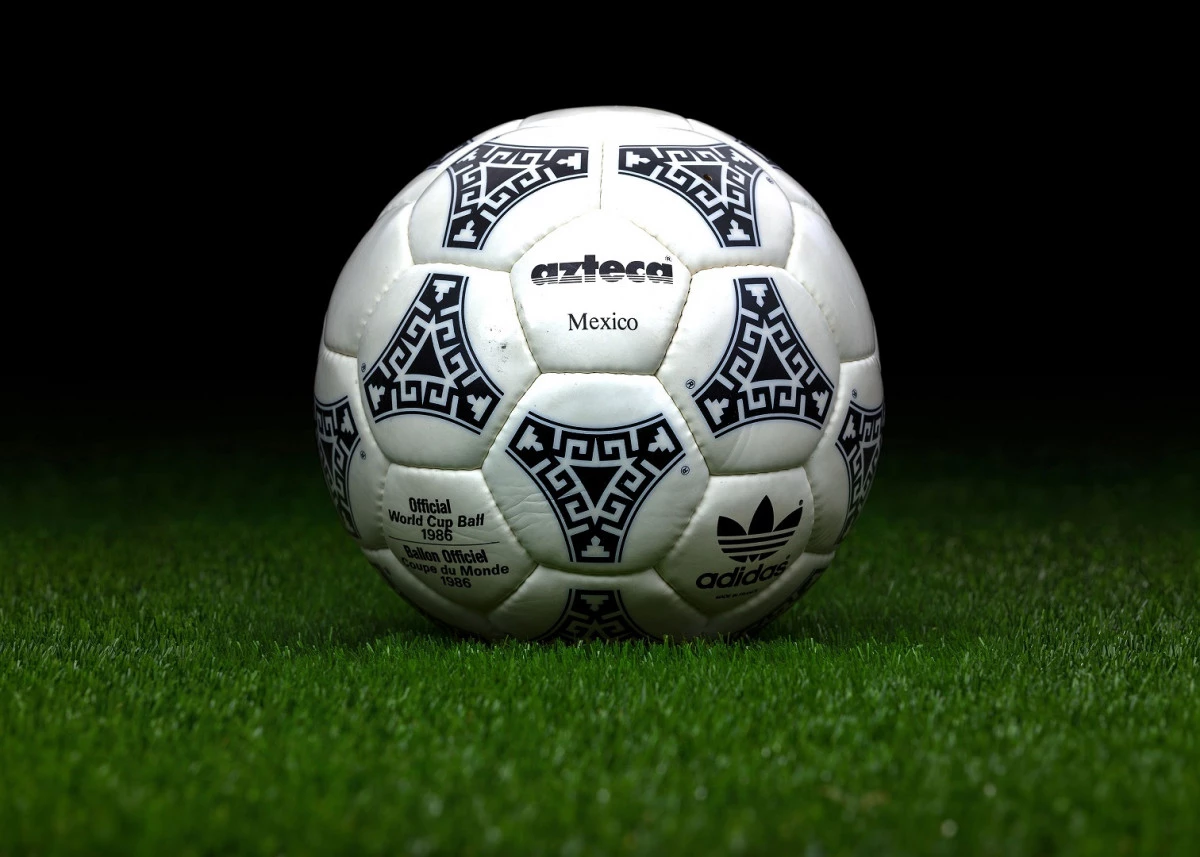
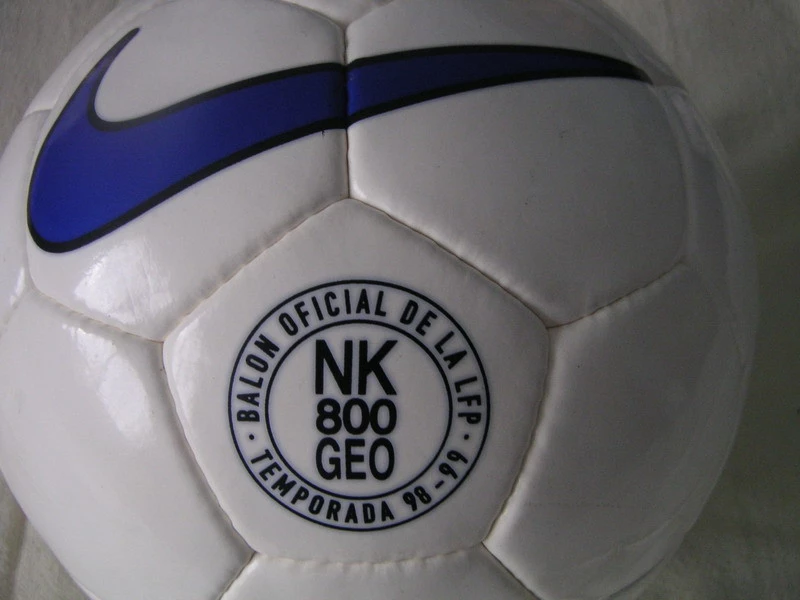
And building on this foundation, in the years that followed we saw footballs from all manner of brands that adhered to this design of 32 panels stitched together using synthetic materials, resulting in true gems such as the Nike Geo and the adidas Etrusco.
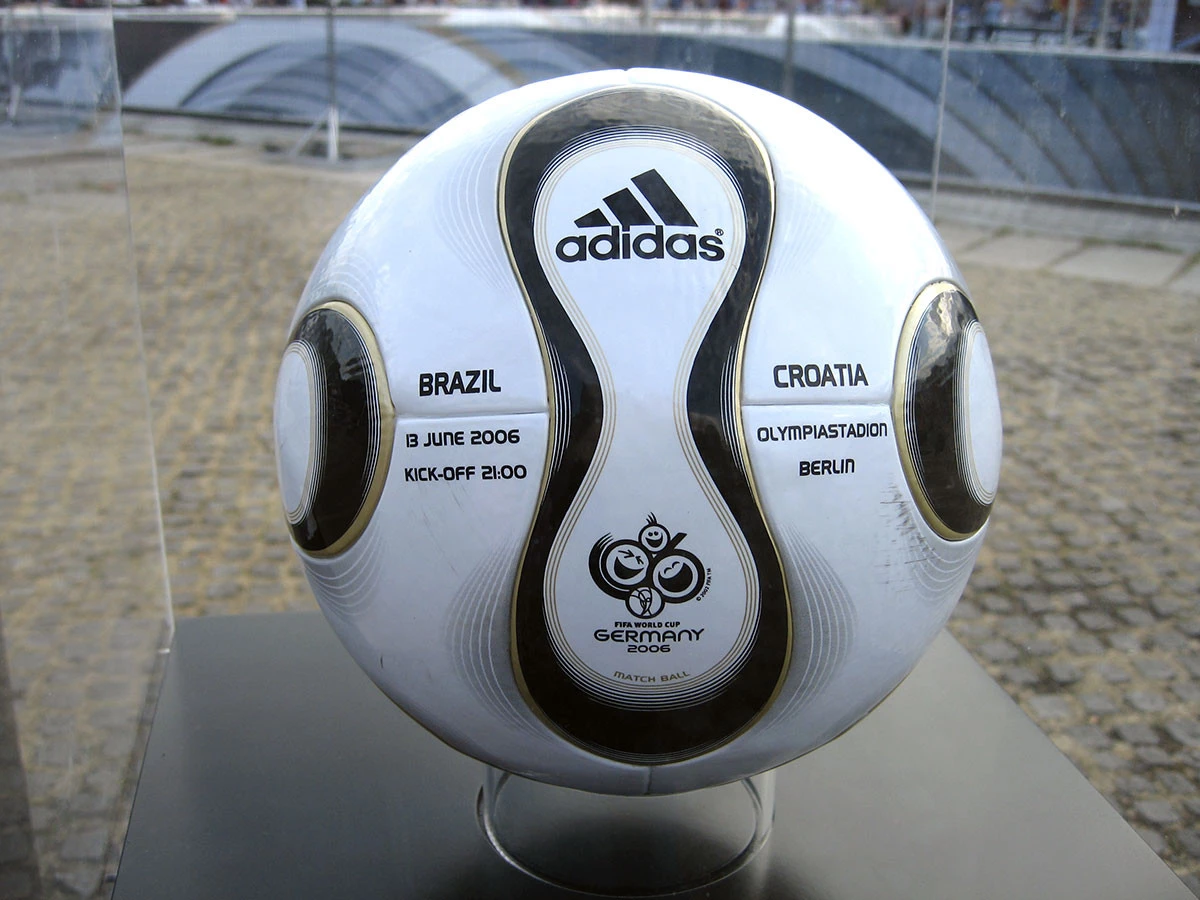
But that wasn’t the end of the story; the 21st century arrived and we began to see heat-sealed footballs, which improved water absorption in particular. With this, we also saw footballs that no longer had the ‘classic’ 32 panels, but instead featured different shapes, such as the Teamgeist ball from the 2006 World Cup in Germany.
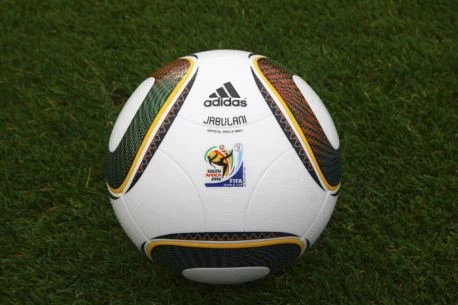
This led to one of the most controversial footballs in history, the Jabulani: a striking ball, manufactured using a new technique that, in theory, made it rounder and better than ever. However, the truth is that, with this new shape, the ball became unpredictable at certain speeds, and neither players nor goalkeepers were keen on it.
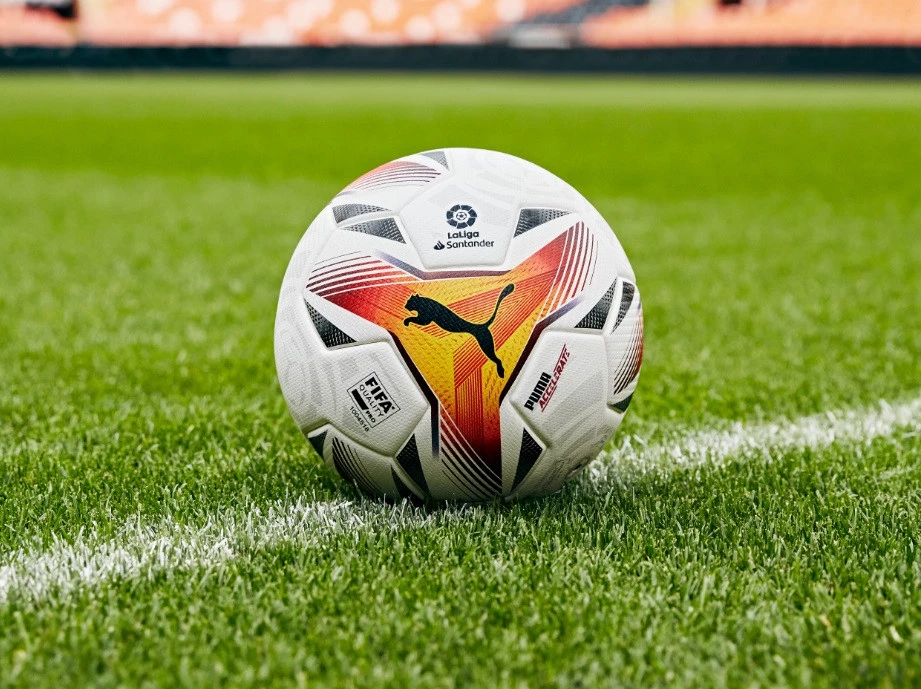
Although this experiment didn’t go to plan, it paved the way for today’s footballs, which feature heat-sealed panels and different panel shapes depending on the brand, with manufacturers continuing to innovate year after year. adidas continues to produce spectacular footballs with a distinctive texture on the outer layer, as does Puma, which now has the new LaLiga ball for the 2021–2022 season.
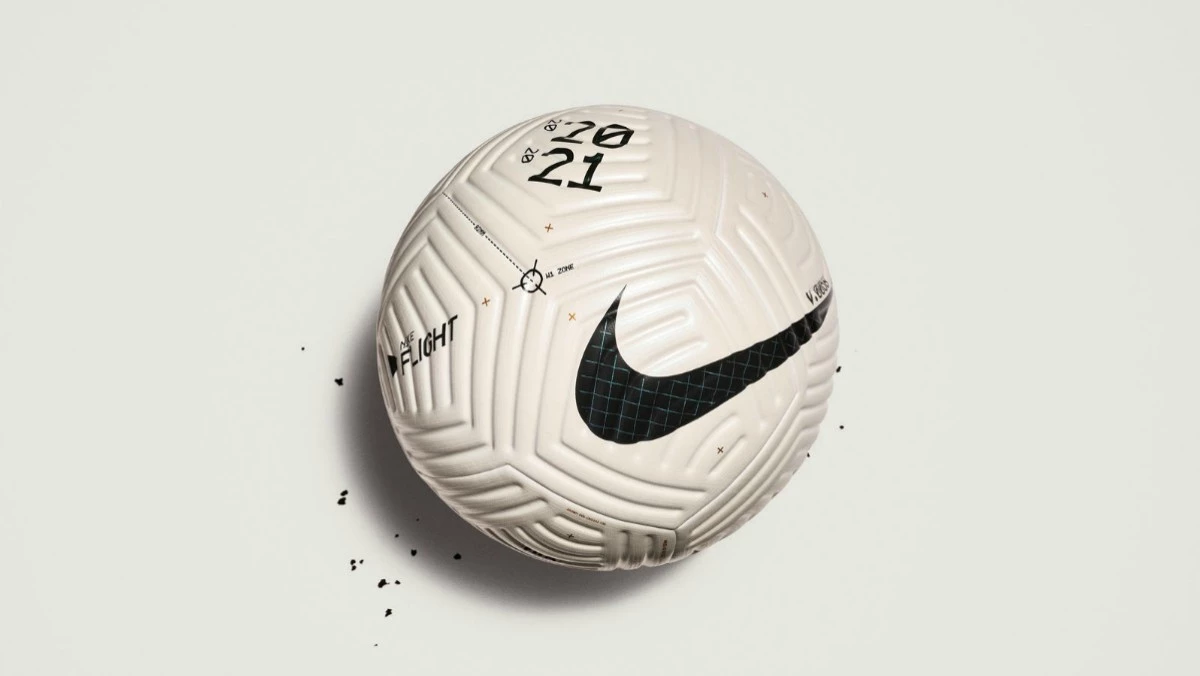
Nike is perhaps the most daring of all, and with its new Flight ball, which introduced Aerosculpt technology, it offers a smoother flight and a grip on the ball unlike anything seen before. A ball with grooves across all its panels has us wondering just what else the American brand might come up with next.
And that brings us to the end of our look back at the history of footballs. A history that, as we’ve seen, is far from over. Which is your favourite football of all time?