

Today we’re interviewing Luis Ángel Lassa, coordinator of our Futbol Emotion Academy technical training school in Zaragoza, coordinator of the Christmas clinic and the driving force behind a number of training successes in recent years.
Luis, what does being a football coach mean to you?
It means a great deal; it’s a very important role for which you have to be well prepared. I believe you need a solid foundation of experience in the dressing room and excellent training to be able to develop your players’ skills. In my case, I have a degree in Physical Activity and Sports Sciences, a teaching qualification for primary education, I’m an expert in grassroots football and a methodological director. I’m also a national football coach – a UEFA PRO COACH. My family has close ties to sport, and they’ve instilled a love of it in me since I was a child.
For me, being able to lead a group of footballers and teach them everything I can, whilst seeing their progress at the end of each season, is very rewarding. And when I talk about progress, I’m not just referring to sporting progress.
So that people can get to know you: What is your sporting background?
As a player, I played for various youth football clubs in Aragon. Unfortunately, a series of injuries prevented me from continuing my playing career, so I decided to stay involved in football from the touchline.
In 2010, I decided to qualify as a coach. I spent several years at CD Valdefierro and went on to work with the first team at At Calatayud as assistant manager and fitness coach. After that came a great opportunity to join the coaching staff for Real Zaragoza’s youth teams, and I’m currently at CD Cortes in Navarre’s Third Division.
How long have you known about Futbol Emotion?
Practically since the very beginning. I’ve been a regular customer, both in-store and online. I’ve also always enjoyed attending some of the events they organised; in particular, I never missed a ‘battle’.
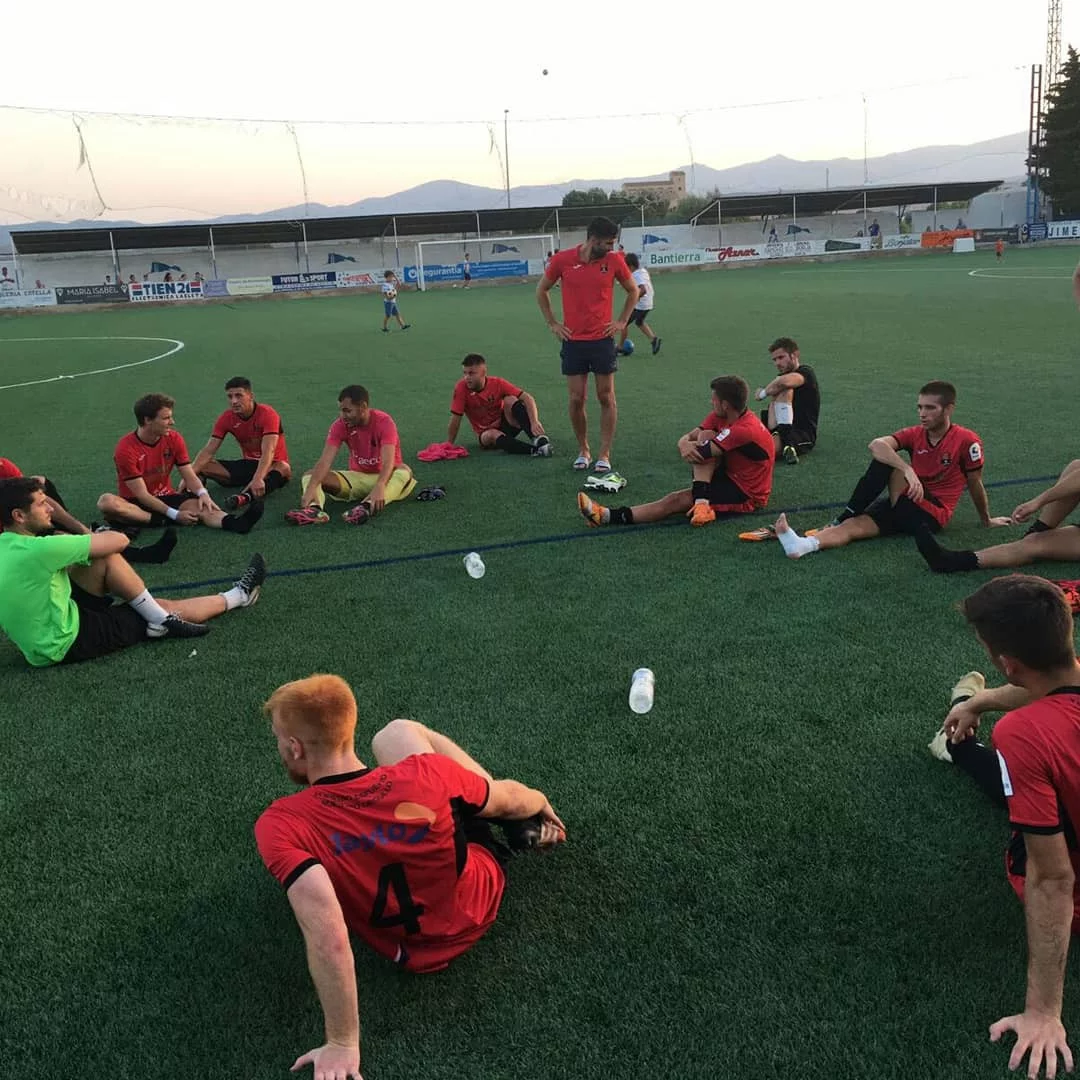
Throughout your career, you’ve coached at clubs with varying levels of ‘professionalisation’. Is there much of a difference in grassroots football in this regard?
Of course there are differences; that’s why there are different categories. There are physical, technical and tactical differences between players, an aspect I consider essential to decision-making. These differences can be gradually reduced through daily work.
However, the biggest differences lie in terms of equipment and resources. Smaller clubs have tighter budgets, which means they have fewer resources available for training.
What is the most important stage in a player’s development in terms of basic technical and tactical skills?
I believe that right from the start of a player’s development, these concepts should be introduced in an integrated way, adapted to the age group we’re working with. Ultimately, we must be clear that we teach football from the outset in a holistic manner, equipping players with the tools to cope with the variability of the game.
Luis, speaking of development, how would you describe yourself as a coach? What sort of training sessions do you like to run?
I’d describe myself as a demanding coach who tries to give his all whilst ensuring the players enjoy training, so that they’re keen for more the next day. I like to take a holistic view of each moment and aspect of the session, as it’s not enough simply to teach them how to kick the ball.
I like training sessions to be dynamic, intense and of a high standard. I want them to help players develop fully and to have a clear understanding of the objectives we’re working towards.
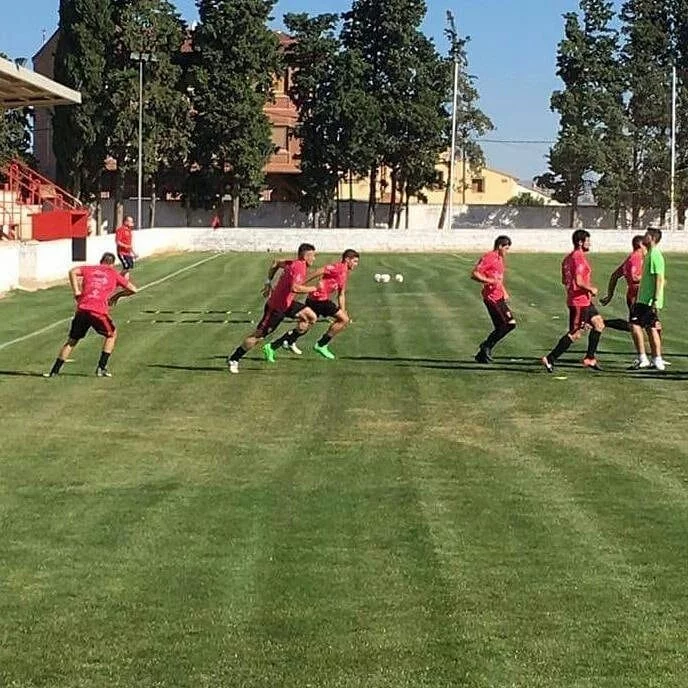
Futbol Emotion Academy for players, which you run in Zaragoza… How has it gone so far?
The launch of Futbol Emotion Academy has been a resounding success. It’s going from strength to strength every day; the players are developing and learning whilst having fun, which makes me very pleased with the project. The aim is to continue growing exponentially as we are doing now and to keep improving until we become the leading academy in Spain. Ultimately, it’s extra training that the players receive, and it really shows.
Why would you recommend that players sign up for technical training academies, clinics or camps like ours?
I believe they’re essential. In fact, it’s true that this approach doesn’t exist (yet) in many clubs. Schools, clinics and camps like ours offer specialised training, where you can develop your skills within a unique environment where everyone is striving for personal and collective improvement. It’s worth noting that our schools are staffed by the best professionals, which takes every Academy session to a whole new level.
At Futbol Emotion Academy, we work in small groups, which means we can offer personalised training aimed at improvement – something a team cannot provide on its own. We have access to the latest training equipment, which puts us at the forefront of the sport.
And finally, what advice would you give to all the kids who are going to read this interview and are just starting out?
I’d tell them to enjoy what they’re doing; football is a wonderful sport where you can learn something new every day, make friends and break out of your daily routine. It helps you develop your work ethic, your ability to make sacrifices and your respect for others. I’d tell them to fight for their dreams and to enjoy the essence of football with passion.



Log in or
create your account
Your best self starts here. Come in and get in your prime