Every day we receive lots of messages on social media from people asking us which is the best sole for each type of playing surface. We’ve therefore realised that this is a topic many people are unfamiliar with, but one that’s essential for avoiding injuries and other issues related to performance and safety. That’s why today we’ve decided to include a guide to the different types of football boot studs, so you can consult it and choose the option that’s best for you.
Let’s start with the first type.
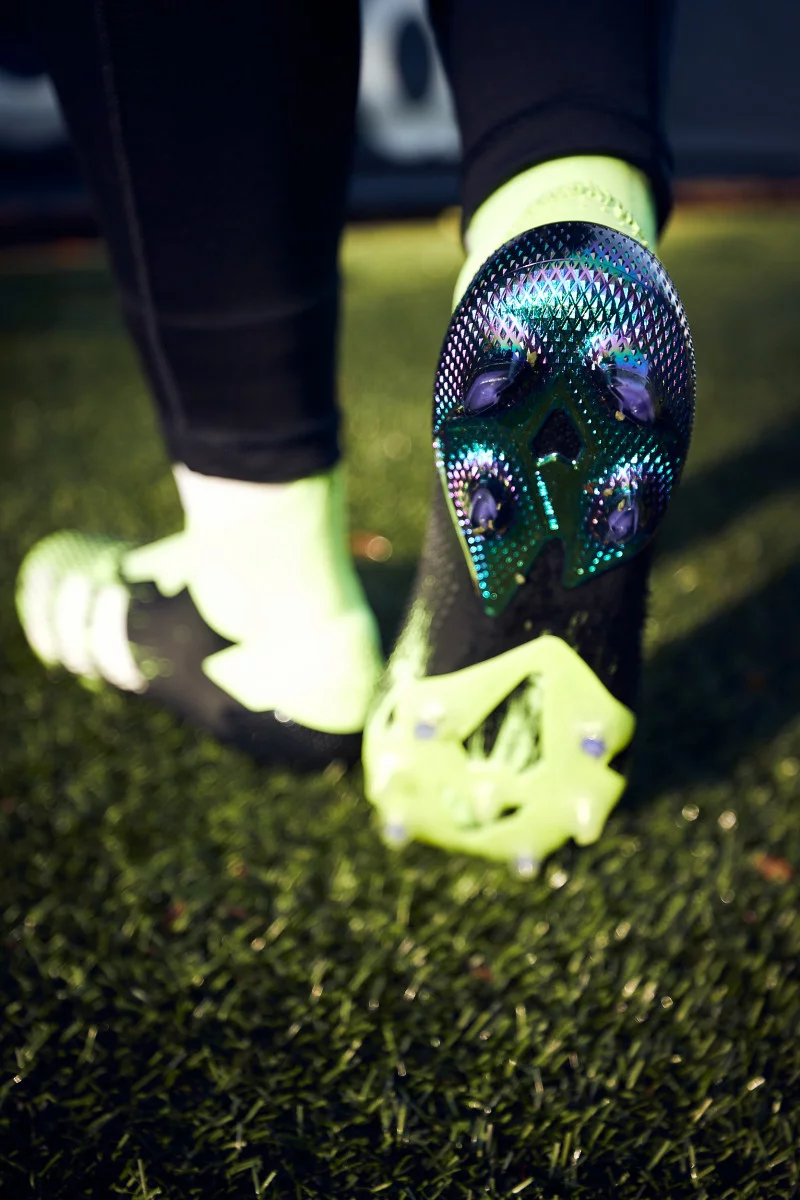
SG SOLE
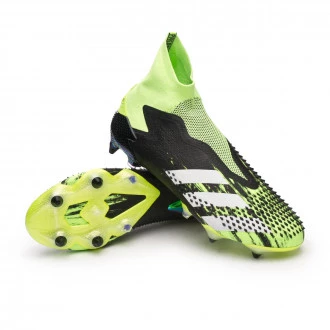
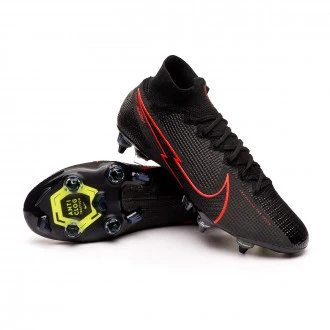
The first sole we’re introducing is the SG (Soft Ground), a sole designed exclusively for use on natural grass pitches.
This is because it features aluminium studs – very aggressive studs designed to provide maximum traction on natural grass surfaces which, when well-maintained and watered, tend to be soft and damp. In these conditions, this sole is the only one capable of penetrating the ground properly and providing the necessary grip without any problems.
There are two types of SG sole: one consisting solely of aluminium studs and a mixed version, which combines aluminium studs with plastic studs.
FG SOLE
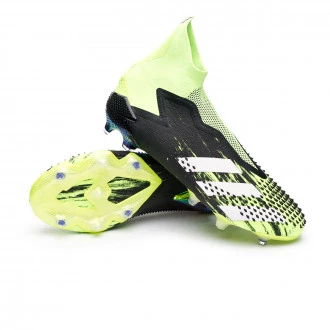
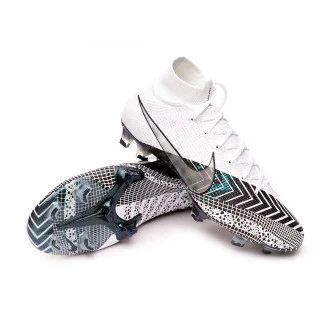
We now turn to my favourite stud pattern, and probably the most versatile of all, as it can be used on a variety of surfaces.
The FG (Firm Ground) stud pattern is designed primarily for natural grass pitches. For this reason, it is the type of stud pattern that many professional footballers regularly use.
Here we find exclusively plastic studs, generally in a laminated or tri-bladed design, designed to grip the ground effectively and provide excellent traction.
Furthermore, this type of sole is usually slightly more flexible than an SG and, for many players, is also more comfortable.
AG SOLE
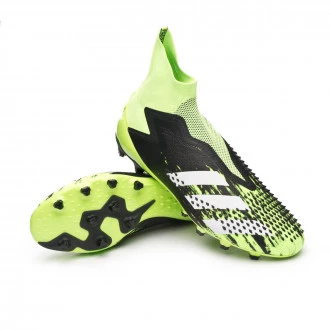
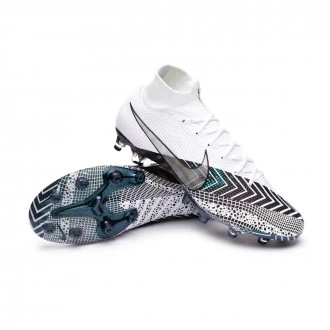
We now come to the AG (Artificial Ground) sole, whose very name tells us what its purpose is.
This sole is designed exclusively for artificial turf pitches, regardless of the generation or type of surface.
Its studs are smaller and shorter than those of an FG or SG sole, so they offer less aggressive traction but, in return, provide greater stability.
Another feature is that it incorporates a greater number of studs compared to the previous soles. This distribution aims to better distribute pressure, improve stability and reduce the impact on joints on artificial surfaces.
TURF SOLE
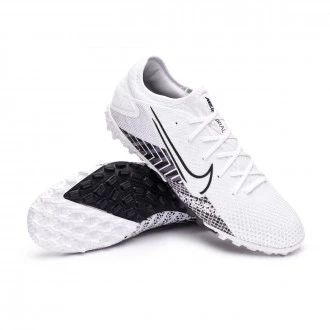
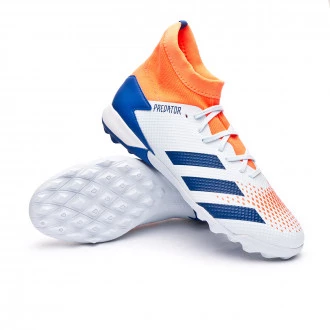
Finally, we come to the sole used by futsal players or those playing recreational matches on hard surfaces.
The Turf sole is designed for flat surfaces where the studs do not need to penetrate the ground. Its main purpose is to provide stability and comfort on concrete, parquet or first-generation artificial turf pitches.
It is characterised by a large number of small, very low-profile and discreet rubber studs. This material, as well as being highly durable, offers great flexibility and comfort, making the sole particularly comfortable for these types of surfaces.
Understanding the differences between these soles is essential for getting the most out of your boots and, above all, for playing more safely on every type of surface.