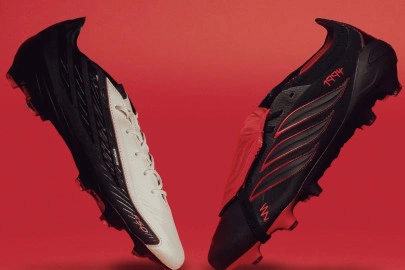
The new adidas Predator 20 gloves have revolutionised the world of goalkeeper gloves, as well as the way they’re viewed and manufactured, or so it seems… Social media is, unsurprisingly, focused on the new adidas Predator 20+ football boot from the new adidas Mutator Pack. But don’t let that fool you, because these adidas goalkeeper gloves are causing quite a stir, even amongst people who don’t usually keep up with goalkeeper kit. Welcome to the true mutation.
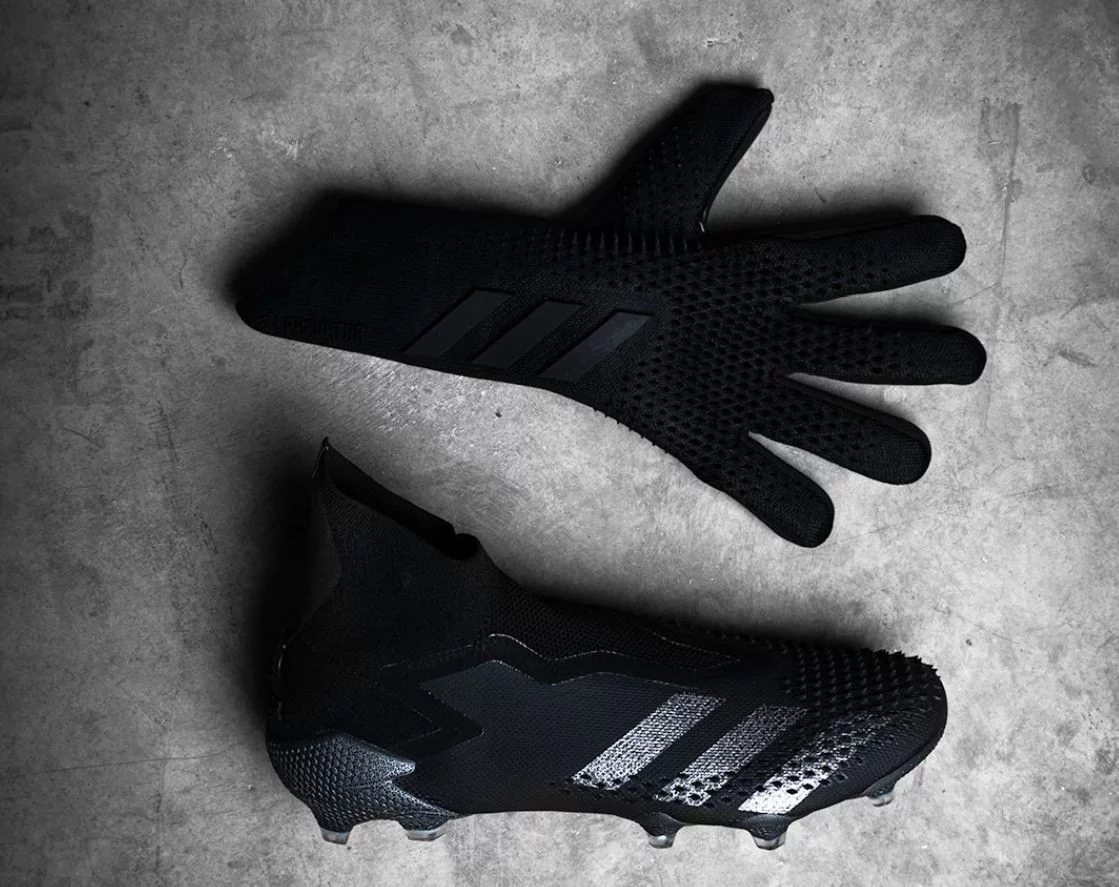
New adidas Predator 20 Mutator goalkeeper gloves
What a way for adidas to kick off the year! We can’t help but take our hats off to what the Three Stripes brand is doing; ever since we saw the reissue of the adidas Predator 19 Mania a couple of months ago, we knew something big was on the way.
Technical features: adidas Predator 20 gloves
After reviewing its technologies and backhand materials, adidas decided to incorporate its flagship fabric, Primeknit, into the adidas Predator Pro 19 gloves from its previous generation. The ‘problem’ with this Primeknit is that many amateur and professional goalkeepers found it a little stiff and hard. We must bear in mind that it is a knitted fabric, and furthermore, it is the same material used in adidas football boots; this is why it did not fit the goalkeeper’s hands quite as well as it should have. In fact, many professional goalkeepers who wore the brand’s gloves would modify them, as they were not entirely happy with this technology.
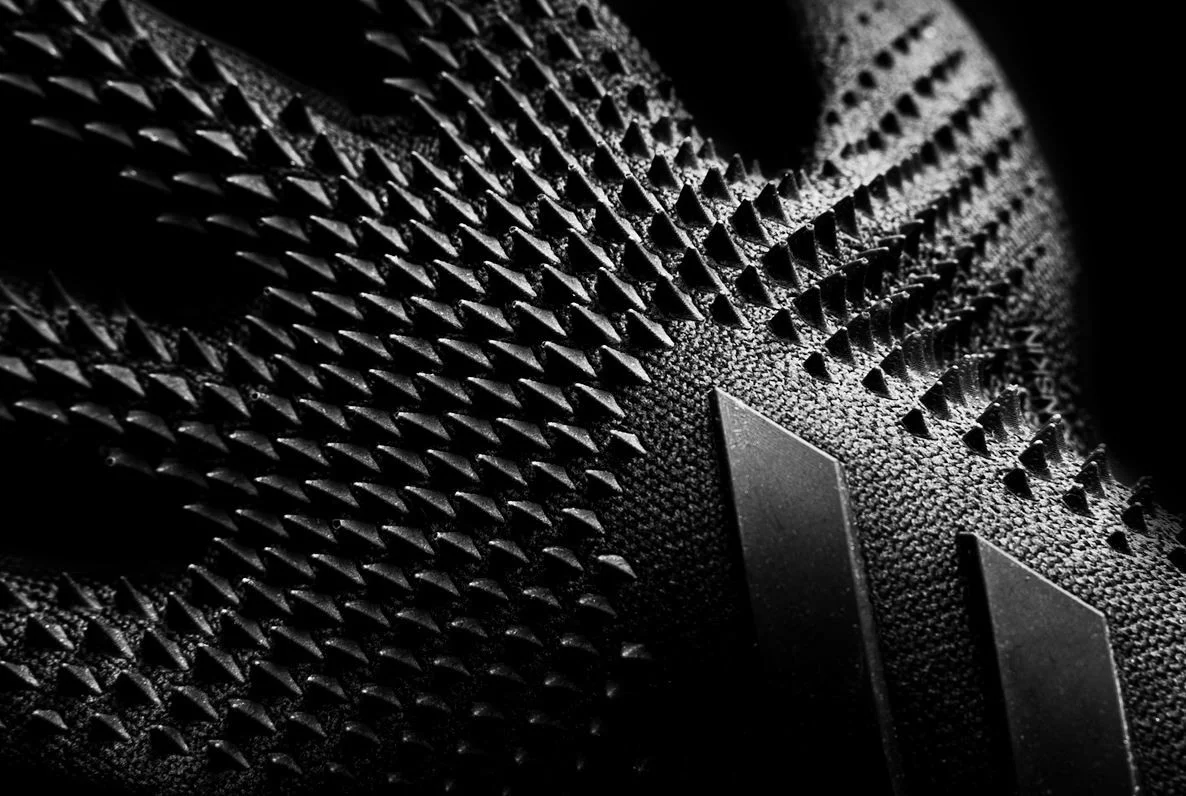
This time round, the Predator 20 gloves feature a much softer and more pliable Primeknit, with varying densities depending on the area of the hand. Naturally, the finger area is not the same as the wrist area, where we need much greater freedom of movement. According to the German manufacturer, this new yarn is a Primeknit that has been specifically designed, manufactured and moulded for gloves. As a result, they are much more comfortable than the previous generation.
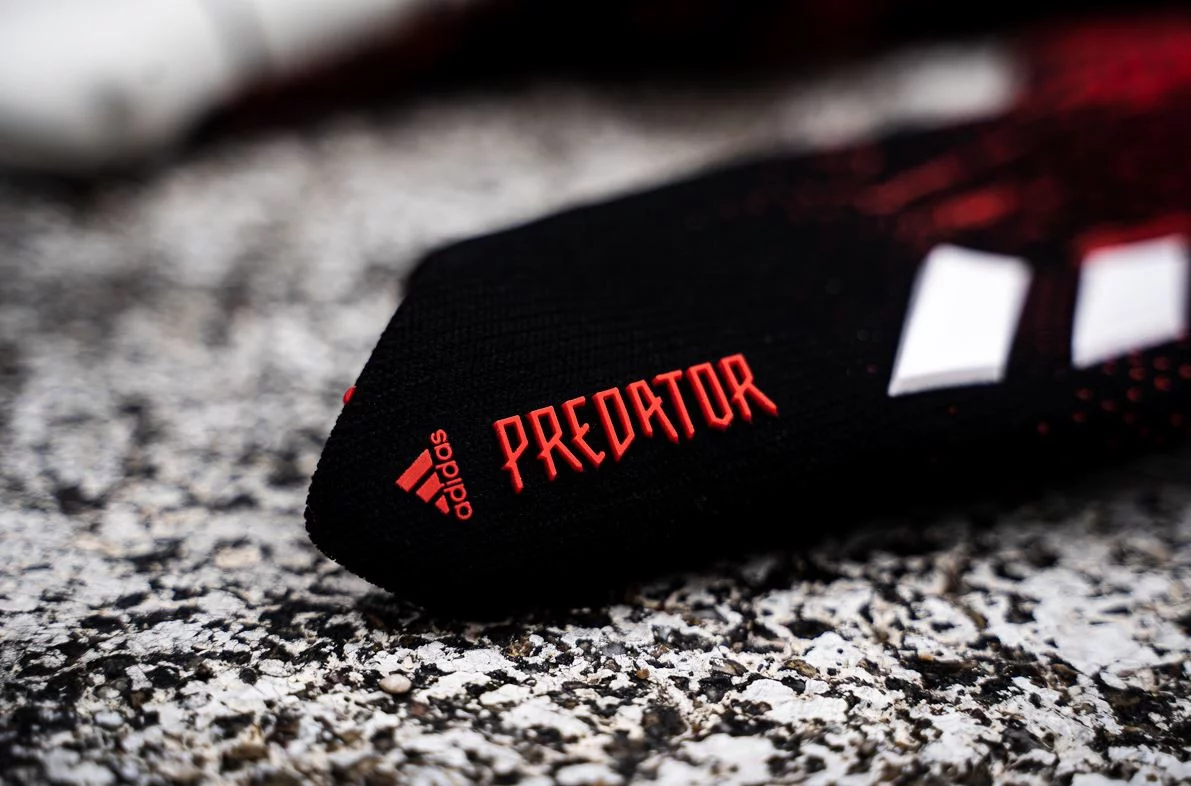
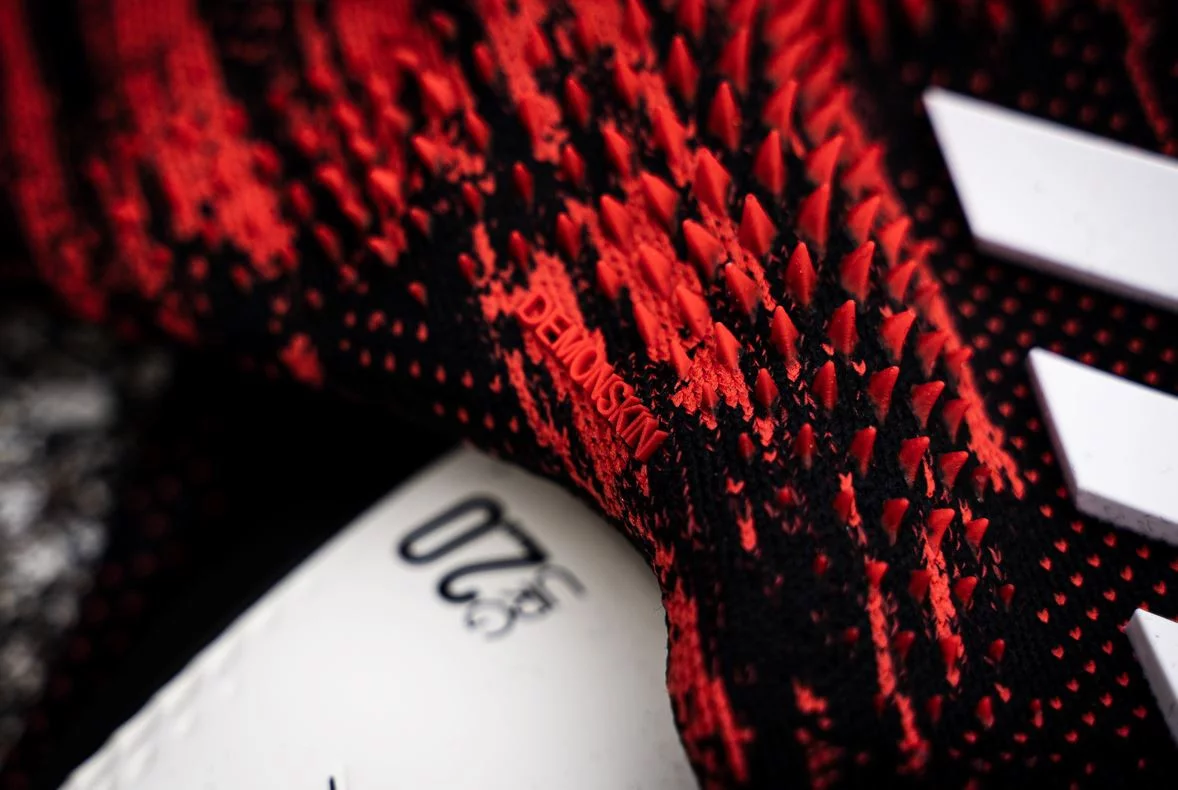
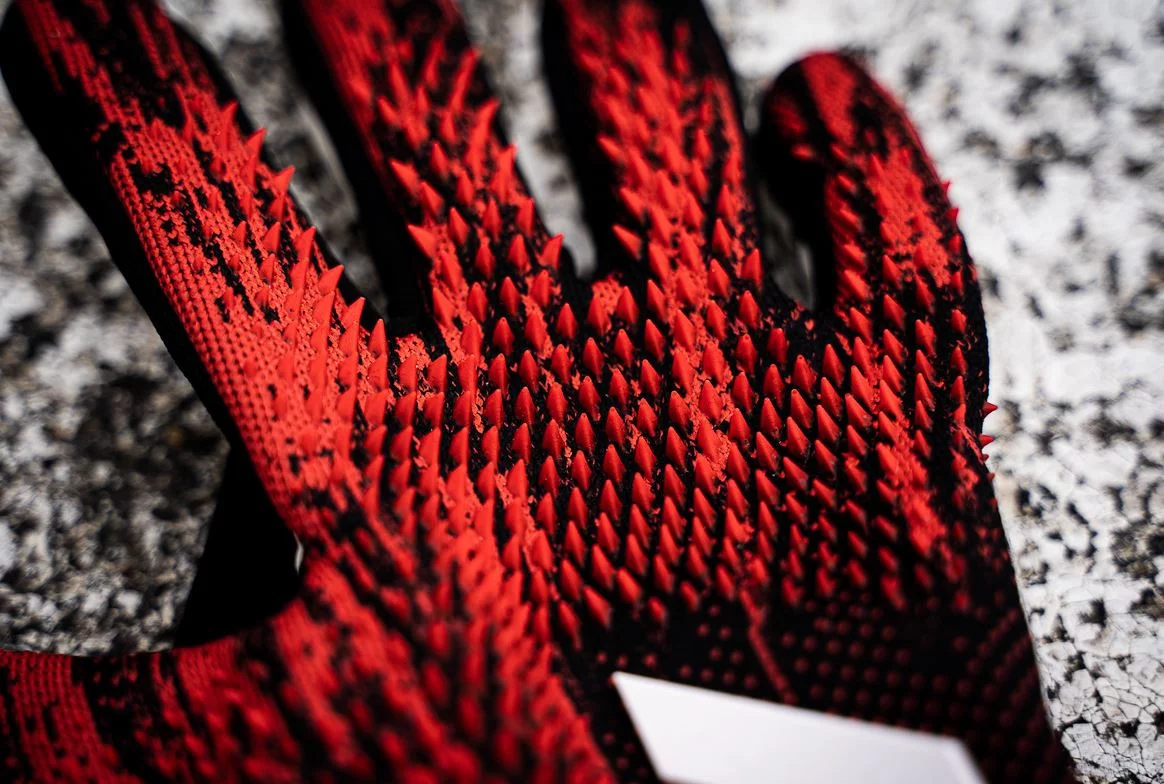
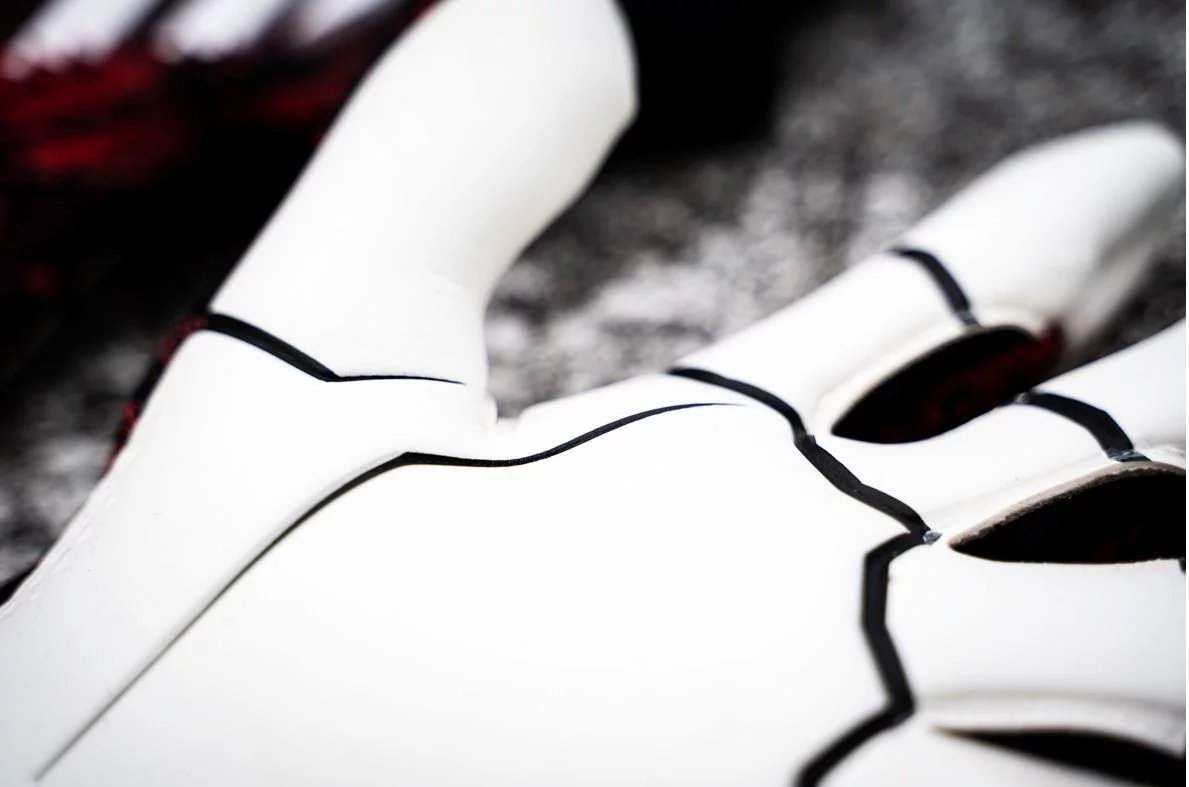
Moving on to the clearing area, and just as seen on the adidas Predator Mutator 20+ football boots, we find the striking ‘Demon Skin’ design and its famous rubber studs encircling the glove. On the football boots, 406 rubber spikes cover the main areas that come into contact with the ball.
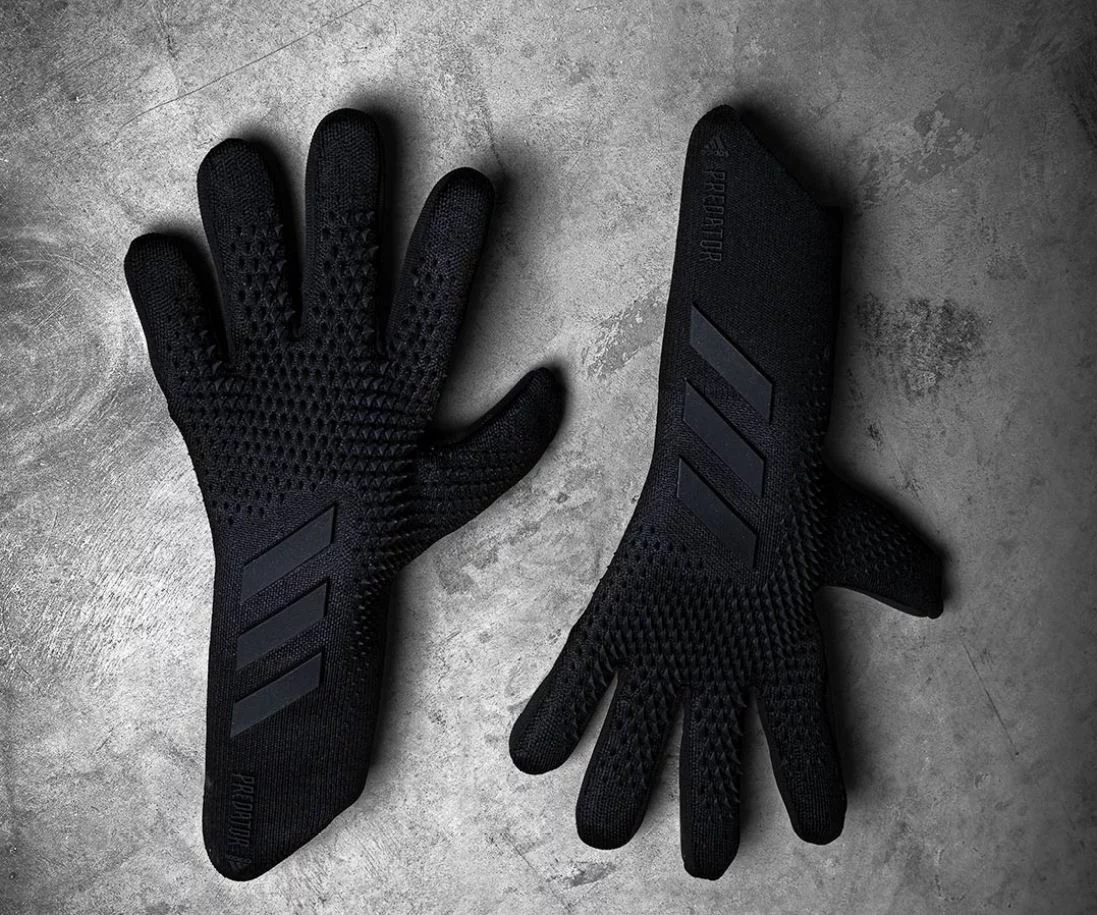
Yes, 406 – not one more, not one less – in different sizes and thicknesses depending on where they’re positioned. This goalkeeper’s glove doesn’t feature as many spikes, and they aren’t even all the same density or size. Naturally, adidas has chosen to incorporate this technology, bearing in mind that these are goalkeeper’s gloves. From what we’ve noticed, clearing the ball with the knuckles has become much smoother and less jarring on the fingers and wrist thanks to this new technology.
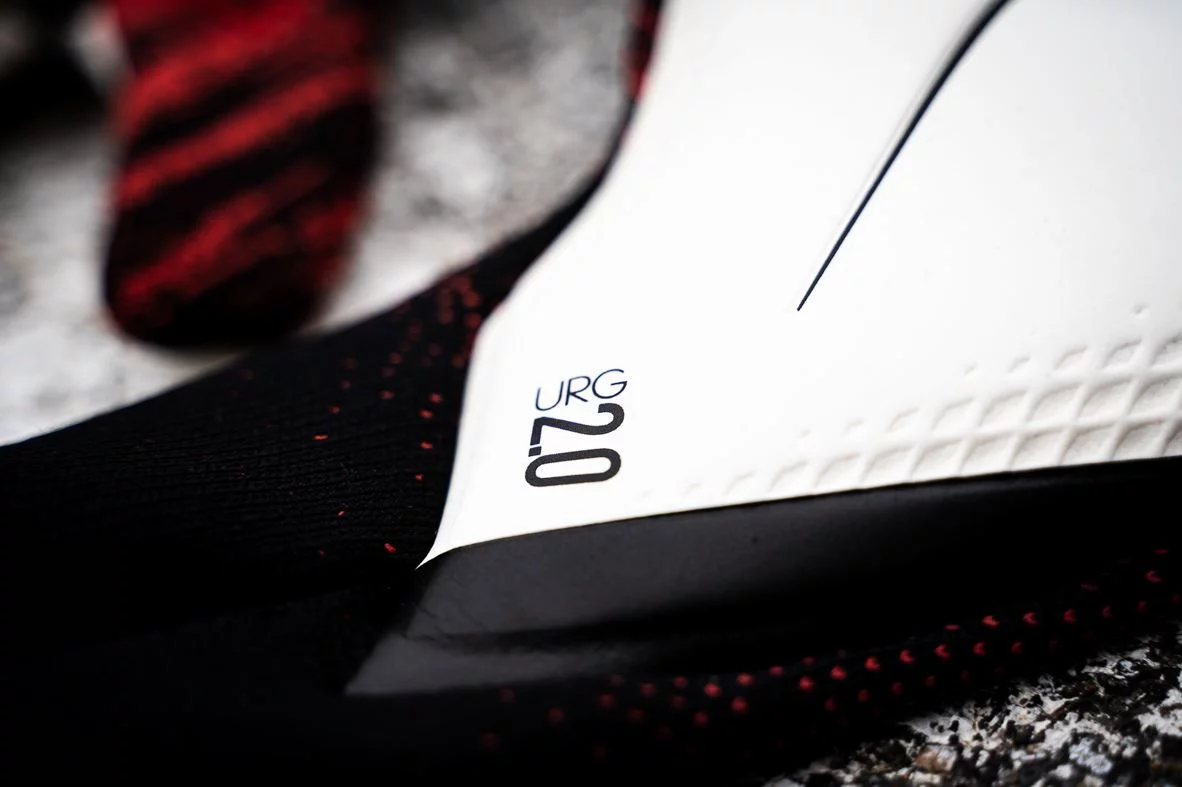
According to adidas, the new URG 2.0 palm offers significantly greater durability and resistance on abrasive surfaces. Mind you, this doesn’t mean that this palm is designed solely for surfaces such as artificial grass or sand – quite the opposite, in fact; this palm performs at its best on natural grass. What adidas has done is to cater to the majority of users whilst offering a little extra to goalkeepers who play on synthetic surfaces. A 4 mm palm and a protective zone are the key features you need to know. If your game is based on playing on natural grass, adidas will be including the URG 1.0 palm in this collection, which is primarily intended for PRO goalkeepers. Unlike the previous model, this one will feature a higher-purity latex, which translates into greater grip but at the expense of abrasion resistance.
Let’s move on to the different types of cuts, and this is where the three-stripe brand offers us two options: the Pro version, where the negative cut is its hallmark; and the Hybrid version, which combines the negative cut with the wrap-around design.
We’ve saved the palm design for last. We’ve already discussed its composition, but not its design. Adidas has decided to move away from the usual, classic designs in favour of an ergonomic palm. We can see grooves appearing in the areas most prone to flexing, such as the toe area and the palm. This raises a question, as these grooves are created using a heat-based process, and as you all know, heat and latex don’t mix very well. We’ll have to wait and see how well it performs on the pitch.
What do you think of these adidas Predator gloves for 2020? Let us know what you think in the comments section or get in touch via our various social media channels.