Today we’d like to talk to you about a few things we do from time to time with our football boots that are definitely not recommended. Sometimes we treat them as mere objects, when in fact they are very delicate pieces of kit that require specific care.

The first mistake some people make is putting them in hot water. This was a method Cristiano Ronaldo used on his Nike Mercurials a few years ago, as they were made from a material that lacked elasticity and flexibility. They were rather uncomfortable boots, and Ronaldo would put them in hot water to stretch them out. This method might have worked with the boots of that era, but nowadays the materials have changed and they no longer need this sort of treatment. Modern football boots are made from much more elastic and flexible materials that do not require this method, although there are still people who continue to use it.

As for the second mistake, we’d like to talk about all those people who buy a size – or even two sizes – larger than they need. This often happens when someone is obsessed with a particular style of boot, but it doesn’t fit their foot properly. Even if the boot feels uncomfortable, they choose to buy a larger size. This is a mistake, as the foot won’t be properly supported or stable inside the boot, and there will be too much movement, which can lead to various types of injury.
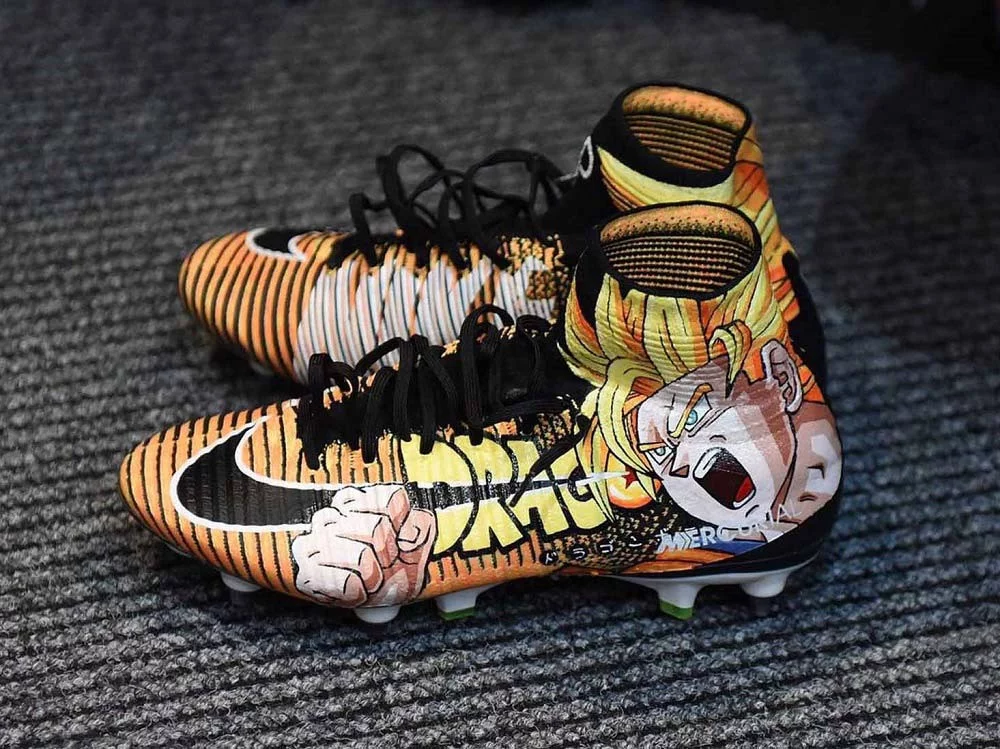
The third mistake concerns those who paint their own football boots or goalkeeper gloves. By doing so – for example, using spray paint – we can damage the boot or glove and completely destroy the properties of the materials they are made from. This can cause them to lose all their grip and significantly reduce the lifespan of both goalkeeper gloves and football boots.

Finally, we’ll discuss a mistake that many players have made in recent years and that some continue to make: removing the laces from their football boots. This is a significant mistake that can lead to injuries, as the foot will not have the same stability without the snug fit and support provided by the laces. If a boot has been designed with laces, it is because it needs them to deliver all the performance features for which it was designed. We have seen, for example, Reus playing in a pair of Puma Future boots without laces, but Reus, being a professional player, uses boots made specifically for him and tailored to the shape of his foot. This ensures that the foot is perfectly protected and secure inside the boot.