The history of football jerseys is vast, ranging from heavy cotton jerseys with huge logos and patch-on numbers to such fascinating stories as that of Cruyff or the jerseys from the 1986 World Cup. And this rich history continues today, driven by major brands using cutting-edge technologies to provide us, the consumers, with a highly technical product, whilst never forgetting the roots or history of the club featured on the crest. Today we’re going to take a look at those cutting-edge technologies we see in today’s jerseys, which are, in some cases, brilliant.
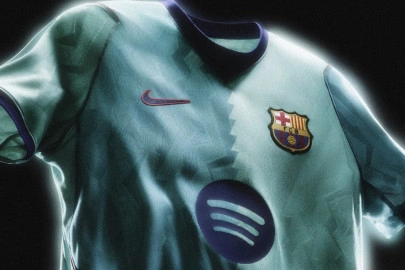
FC Barcelona jersey
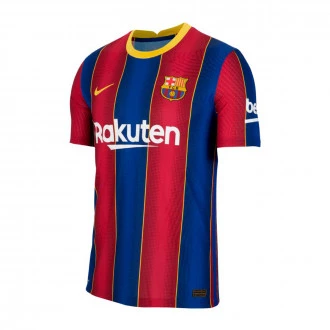
We’d like to start with Nike’s football jerseys, which have undergone a transformation in recent years, as the brand has moved away from its signature Dri-Fit technology for football jerseys and adopted a new technology called VaporKnit.

This VaporKnit was born out of the need to adapt today’s football kit to the much faster pace of modern play; consequently, the work carried out by Nike’s designers in this regard was immense, as they explain:
“We needed to find a dynamic fit that met the demands of today’s high-speed style of play. To begin with, we scanned the bodies of over 300 athletes at the Nike Sports Research Lab. We combined the data collected with 4D motion captures of specific football movements. The result is the NextGen VaporKnit jerseys and shorts, which feel natural yet provide a sense of speed.”
Charlotte, designer at Nike.
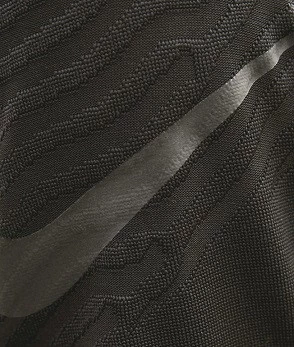
The patterns we see on the jersey correspond to the body’s sweat maps, and so this 360° fit allows for better sweat wicking by using less knit fabric in the areas where you sweat the most:
“The design is intended so that the areas requiring greater moisture-wicking have more knit fabric structure to allow sweat to be wicked away,” he explains. “The areas where there is less fabric provide greater breathability.”
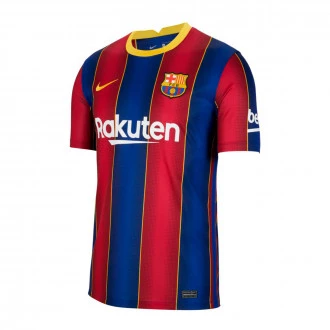
The good thing about this is that, contrary to what one might think, Dri-Fit hasn’t been ruled out, as it’s still used in performance garments and is the technology found in the American brand’s fan jerseys. These are jerseys with a less tight, body-hugging fit, yet they retain top-tier sweat-wicking technology and the highest quality standards characteristic of Nike.
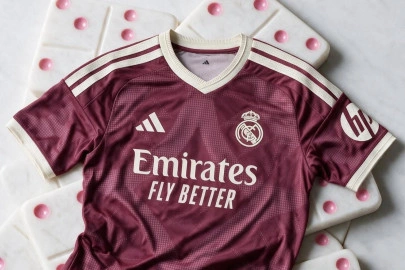
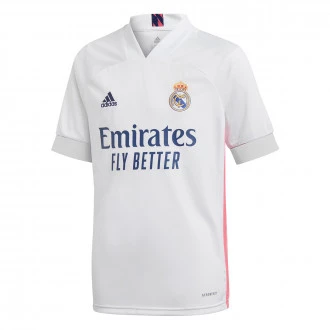
Real Madrid jersey
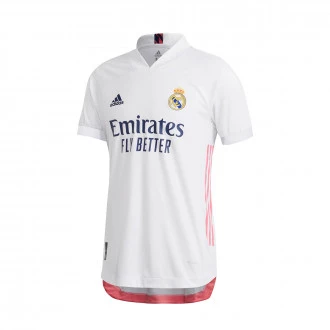
If we look at the German brand, we find some alternatives that are very similar in concept, featuring HEAT.RDY technology, which is the evolution of the former Climachill and is designed to minimise the weight of the jersey (it weighs just 140 grams) whilst providing exceptional moisture-wicking performance, keeping us cool and dry throughout the match.

Of course, this is the technology used in the Real Madrid jersey, as well as in all of adidas’s elite-range jerseys, which feature a slim fit and distinctive detailing on both the collar and the hem.

As expected, we also have AeroReady technology, which is featured on the fan jersey – a top-of-the-range garment that, much like Nike’s offerings, has a wider, more comfortable fit whilst maintaining excellent moisture-wicking properties without adding bulk, and boasts high-quality details in both the stitching and the finishes.
Borussia Dortmund jersey
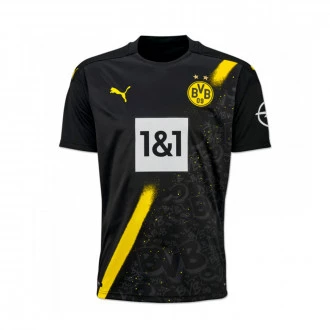
This is the current trend, and it applies to other brands of jerseys as well. Puma features Drycell as the flagship technology across its entire range of jerseys, but adds the Formstrip to its elite range, giving them that perfect, snug fit we see on the pitch

Conclusions
As you can see, the leading football jersey brands employ a range of technologies across their different jersey types, all designed to enhance the player’s performance on the pitch. Consequently, the pace of development has been staggering, and we now have products of an exceptionally high technical standard that allow us to play our favourite sport at any time; thanks to these advancements, come rain or snow, our football jersey will always be ready to go.