

Once again, we’re talking about goalkeeper gloves – a niche that is essential and of the utmost importance to us. That’s where we started, where our roots lie: providing goalkeepers with absolutely all the football accessories they need to do their job.
Obviously, we haven’t always had the technologies available today and, as with everything in life, progress and refinement have been necessary. That said, the essence has remained intact – a development that hasn’t been quite as dramatic or revolutionary as that seen in football boots.
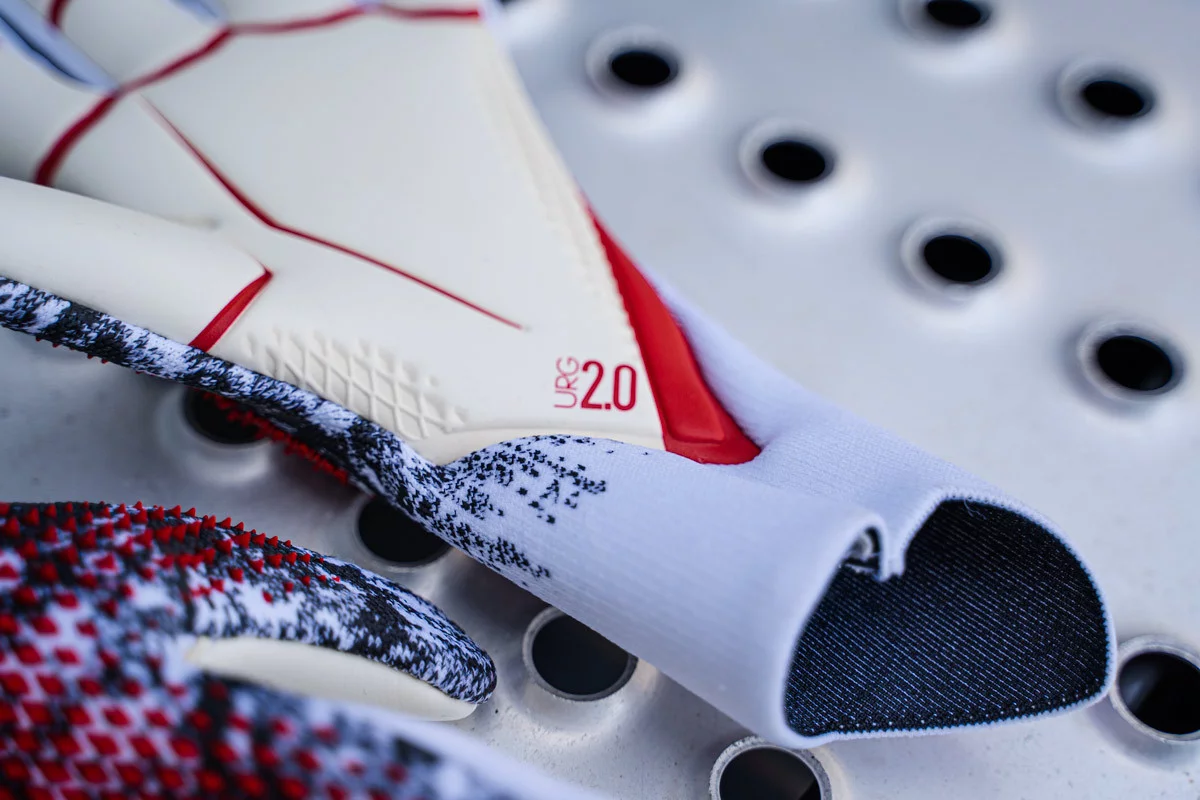
5 innovations in goalkeeper gloves that have changed history
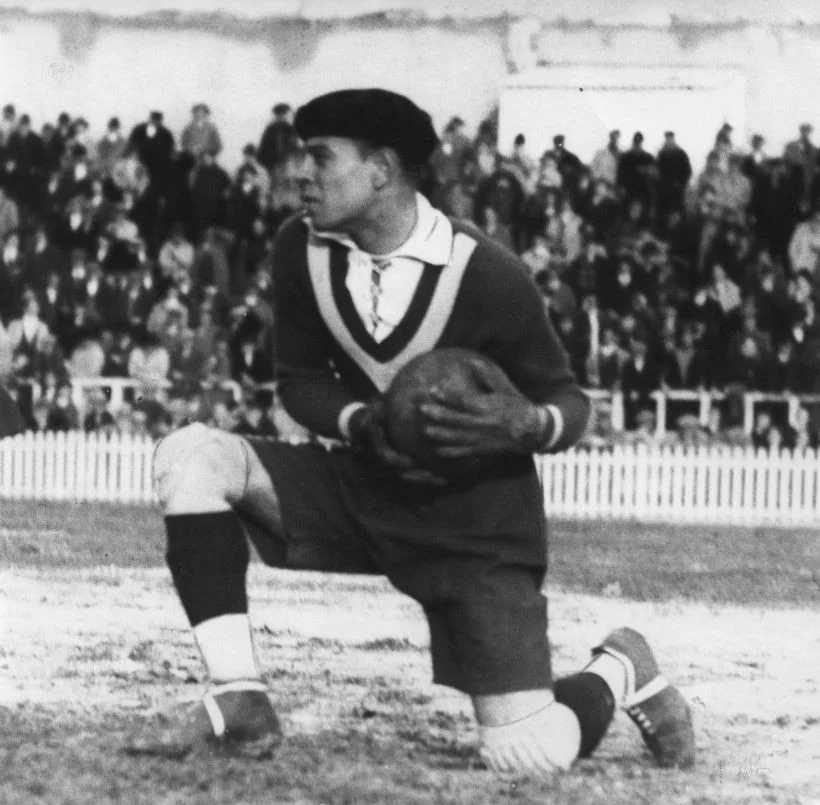
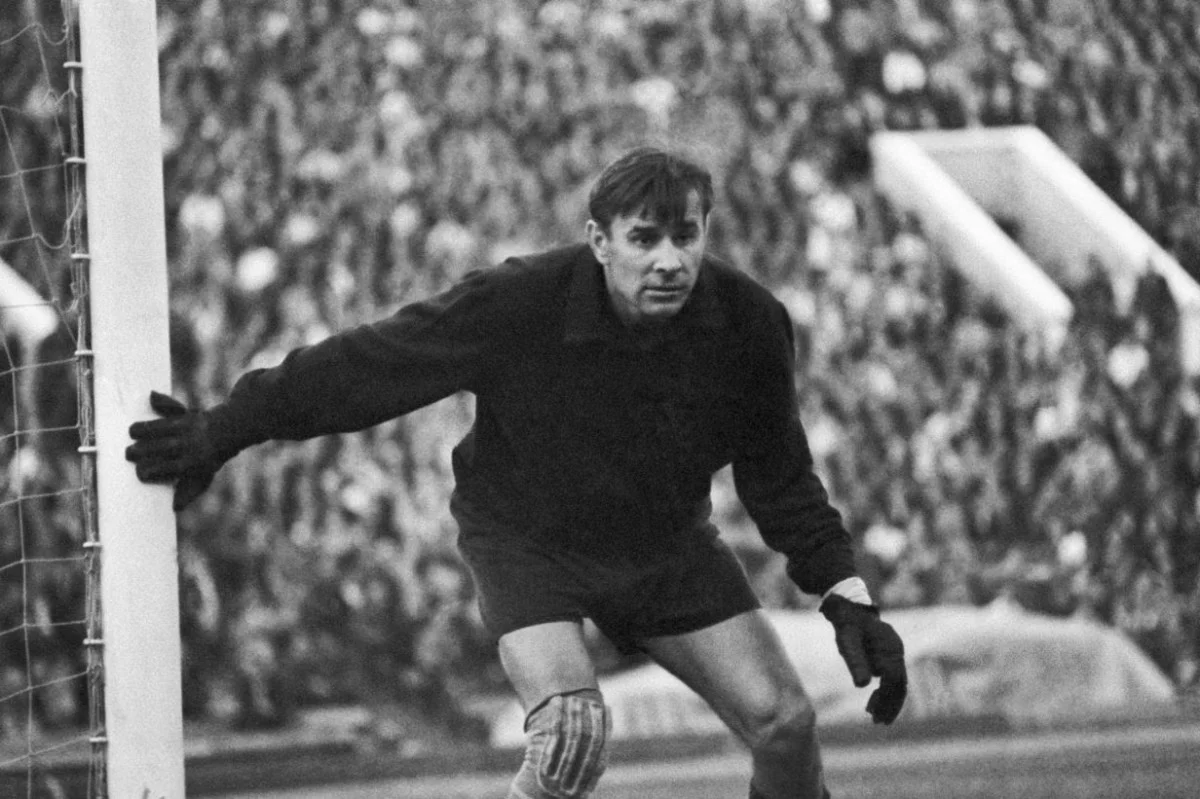
Since time immemorial, we have seen, in photographs, goalkeepers wearing gloves; this does not mean, however, that they were used solely to stop the opposition’s shots. Going back to the 1920s, we can see the legendary goalkeeper Ricardo Zamora – the name given to the goalkeeper with the fewest goals conceded in La Liga – already wearing goalkeeper’s gloves. Over the years, this remained the case, as goalkeepers wore this type of glove, largely to protect themselves from the bitter cold of those days. Of course, we remember our Ballon d’Or winner Lev Yashin, the benchmark in goal. We remember him wearing goalkeeper’s gloves, but during periods when it wasn’t quite so cold; we therefore understood that these served a similar purpose to the ones we have today.
5- The presence of latex in goalkeepers gloves
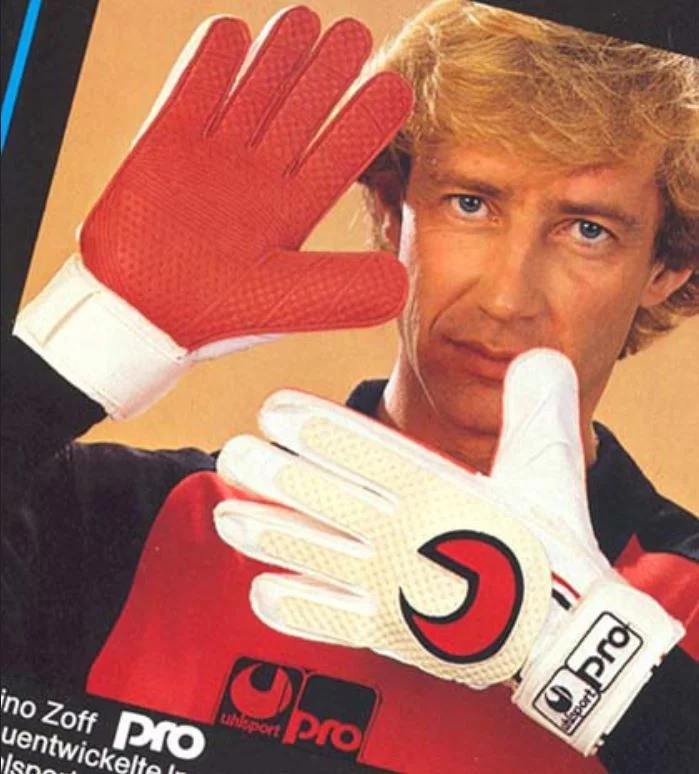
It’s the wonderful 1980s, and latex makes its debut. Years earlier, in the 1970s, we’d already seen goalkeepers wearing gloves, but these were lined with simple fleece or a towel-like material, providing good support and cushioning but no grip whatsoever. But in the 1980s, brands such as Reusch and Uhlsport discovered latex. At first, the quality of the latex wasn’t particularly important: the balls were rough (made of natural leather), the pitches were dry, and grip wasn’t as much of an issue as it is today. The material used for the palms of the gloves is derived from a latex foam produced through a process that latex manufacturers call ‘Kaysan’. That is how the latex for our gloves is obtained.
4- Gloves for extreme conditions
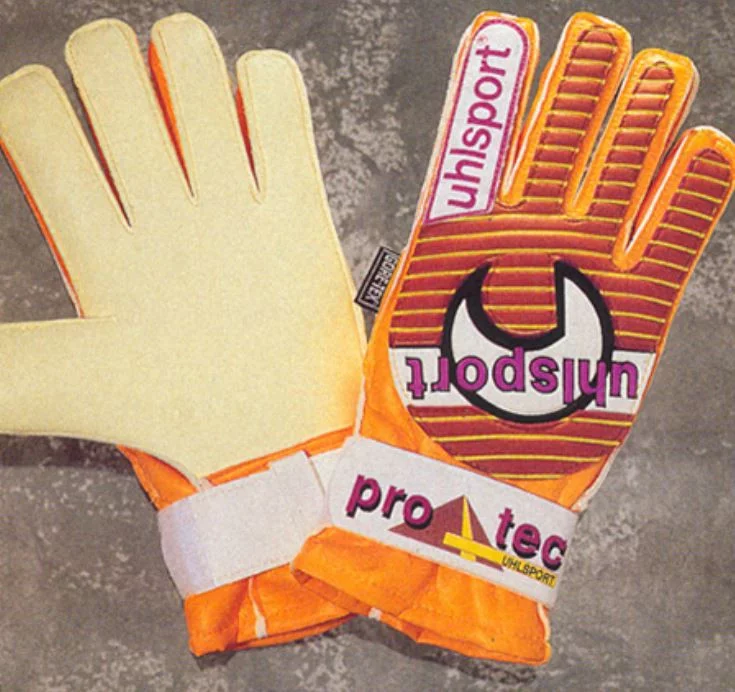
Keeping your hands warm and dry was the aim back in 1992. The golden age of sports equipment, of course, extended to our beloved gear. A pioneer such as Uhlsport created the Uhlsport ProTec with Gore-Tex. For those of you who don’t know, Gore-Tex is a membrane that prevents water from penetrating the area it covers. Back then, Gore-Tex wasn’t what it is today, of course, and this glove had several drawbacks; on the one hand, there was a complete lack of breathability – something that is now partly achieved with this membrane – and on the other, the Gore-Tex would slip out of the glove itself, making it a real faff to get your hand back in.
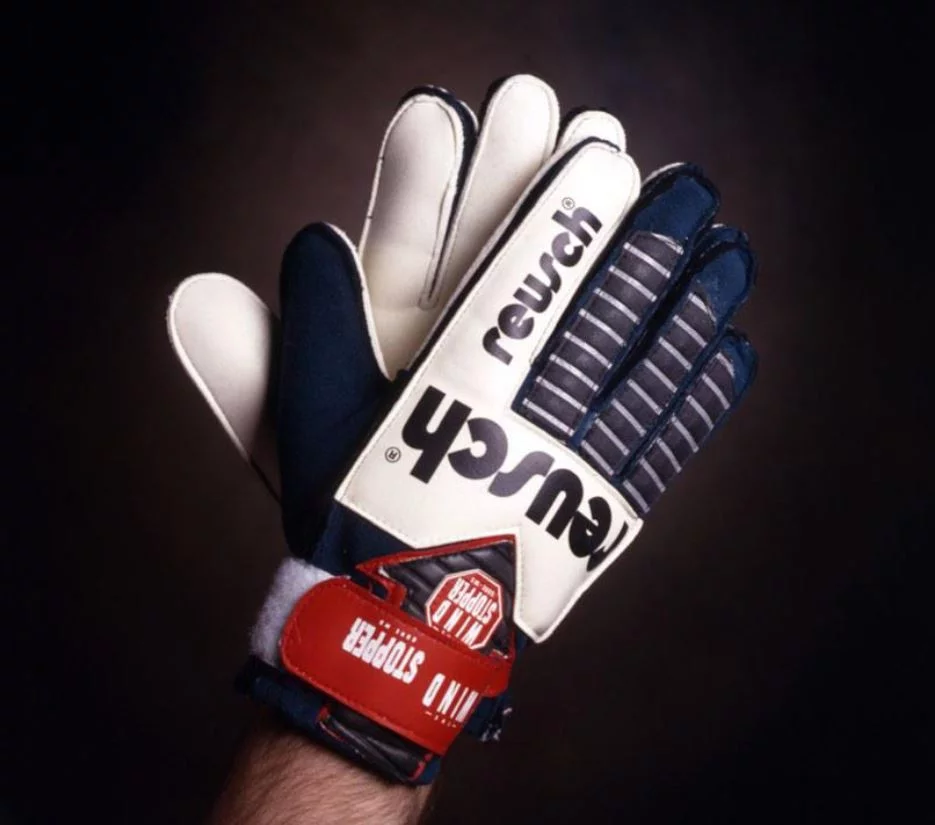
Years later, in 1994, another major brand, Reusch, created the Reusch GS Wind Stopper, a membrane very similar to the previous one, with the difference that this one offers improved wind protection and retains breathability, but has reduced water resistance. Furthermore, the fit was a concern for the German brand, and they really did manage to get it right.
3- Finger protection
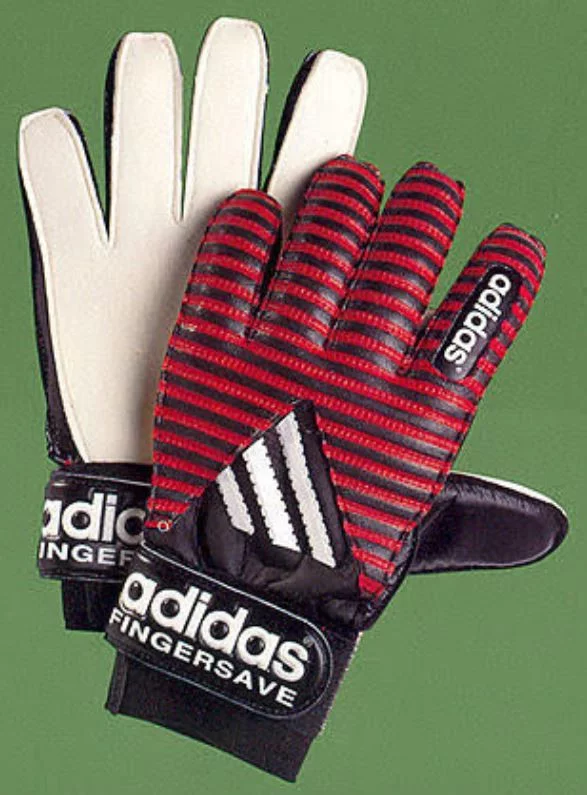
We’re still in the 1990s, and one brand that simply couldn’t be left out – adidas – launched its incredible Fingersave. This glove was the first to protect fingers from potential injuries, and even fingers that were already damaged. The use of finger protection on gloves is a topic that has been discussed on numerous occasions and is surrounded by a sea of doubts and opinions. That’s why we’re starting a short thread on the subject of glove protection.
2- Gloves for wet conditions
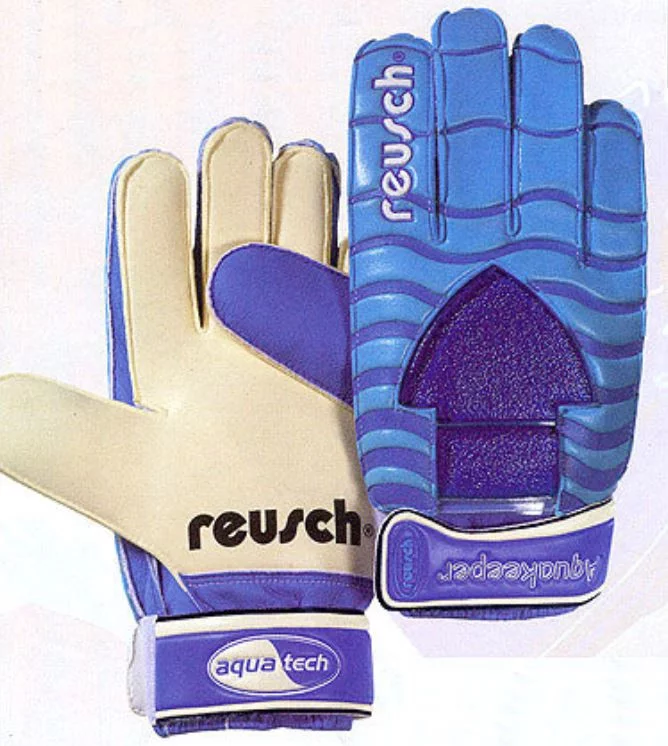
We live in an age where we’ve become accustomed to all brands – or the vast majority of them – offering waterproof versions of their gloves. But it wasn’t until 2001 that Reusch, once again showing great courage, decided to launch the Reusch Aqua Keeper – a truly legendary glove if ever there was one – with the arrow emblazoned on the front. The first generations of any innovation are not usually the most successful, and indeed, the purpose of this glove was not entirely clear to us. Two years later, as if in a tennis match, its eternal rival launched the Uhlsport AquaSoft, featuring a vastly improved palm and exceptional performance in wet conditions. These palms are made of natural latex, with micro-granules added to the composition that swell by absorbing water in the shortest possible time to ensure effective grip. (They dry the palm more quickly.) They also offer greater porosity.
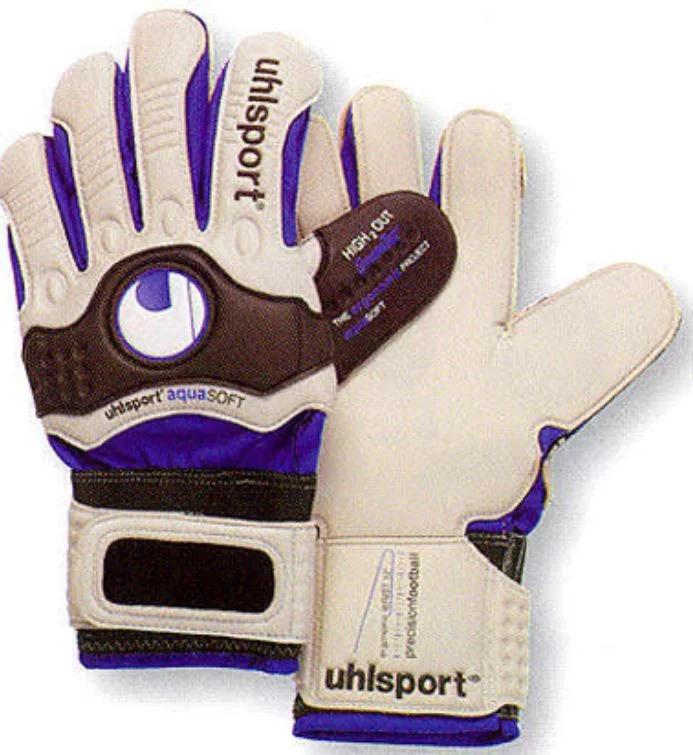
1- Strapless gloves
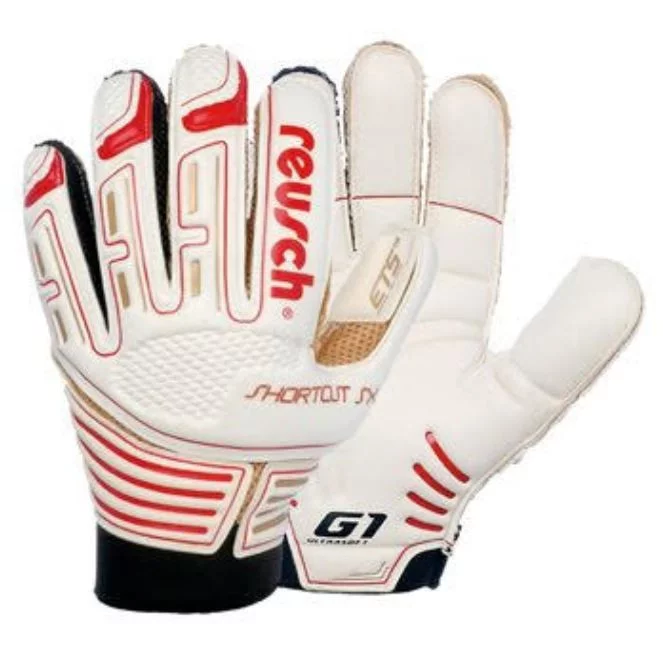
Nowadays, we’re used to seeing gloves without a fastening strap, such as the adidas Predator gloves, the Nike Mercurial Touch gloves, the SP No Goal Zero gloves or even the Puma Future Grip gloves. But it was none other than Reusch who was the first to do so. It was 2007 when the German brand launched the legendary ShortCut SX, a glove with neither a fastening strap nor a wrist strap. Back then – and we’re talking just over 10 years ago – goalkeepers and the general public weren’t ready for such an innovation, and so it wasn’t a particularly successful launch. This may have been the reason, or perhaps the materials available at the time weren’t as advanced as those we have today.
We could add the different types of glove cuts to the list, but this is our Top list. If you have any further suggestions, simply drop us a line via the comments section or through our various social media channels.
Log in or
create your account
Your best self starts here. Come in and get in your prime